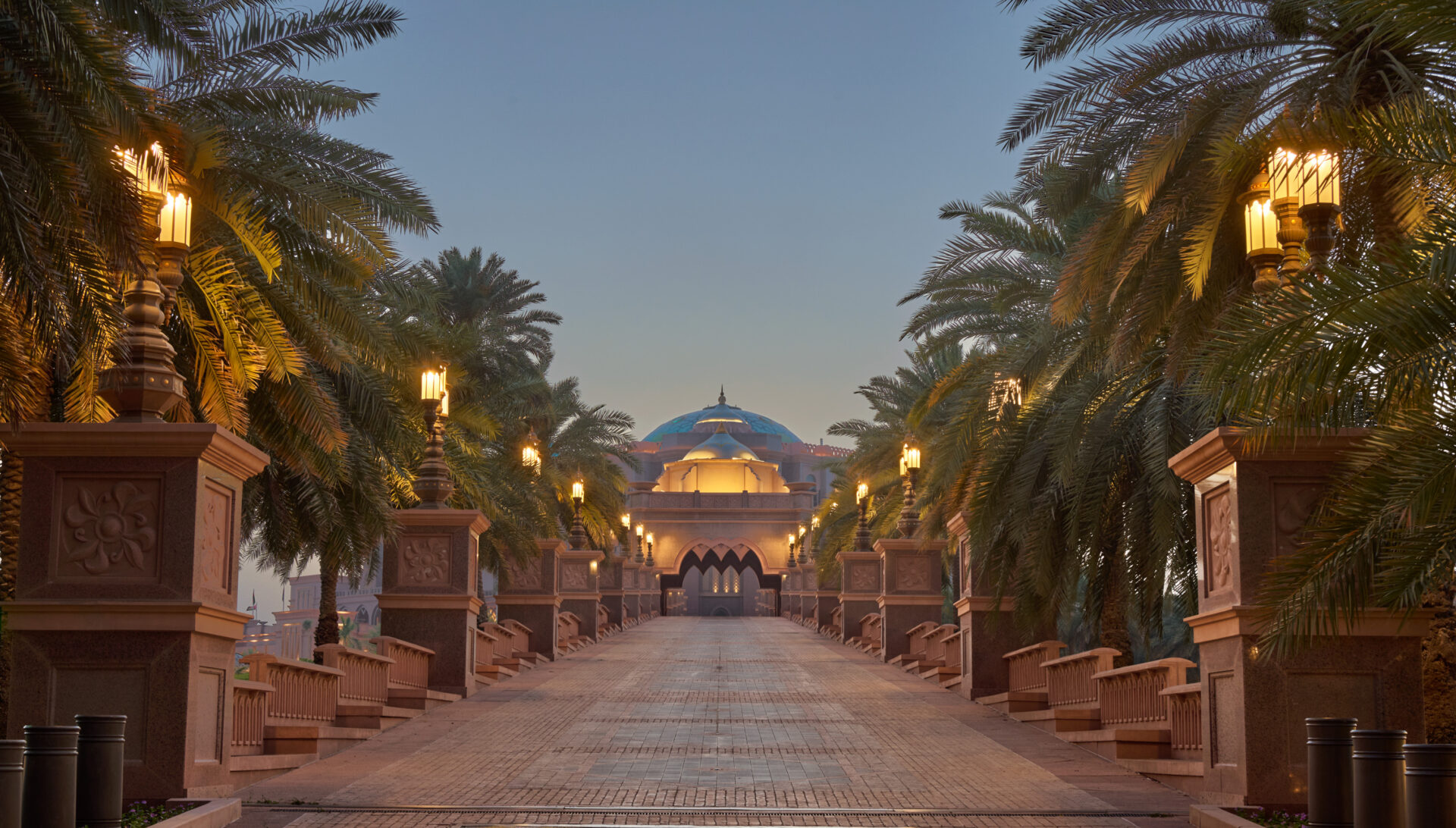
Experiencing one of the world’s most extraordinary hotels on the shores of the Arabian Gulf
When we first glimpsed Emirates Palace Mandarin Oriental from West Corniche Road, the scale proved difficult to comprehend. This isn’t hyperbole disguised as a hotel, it’s an actual palace that functions as accommodation, spanning a full kilometre of Abu Dhabi’s coastline and genuinely exceeding Buckingham Palace in size. Since Mandarin Oriental assumed management in 2020, the property has evolved from a monument to Arabian hospitality into a functioning luxury hotel where 1,100 staff deliver service that somehow balances formality with surprising warmth.
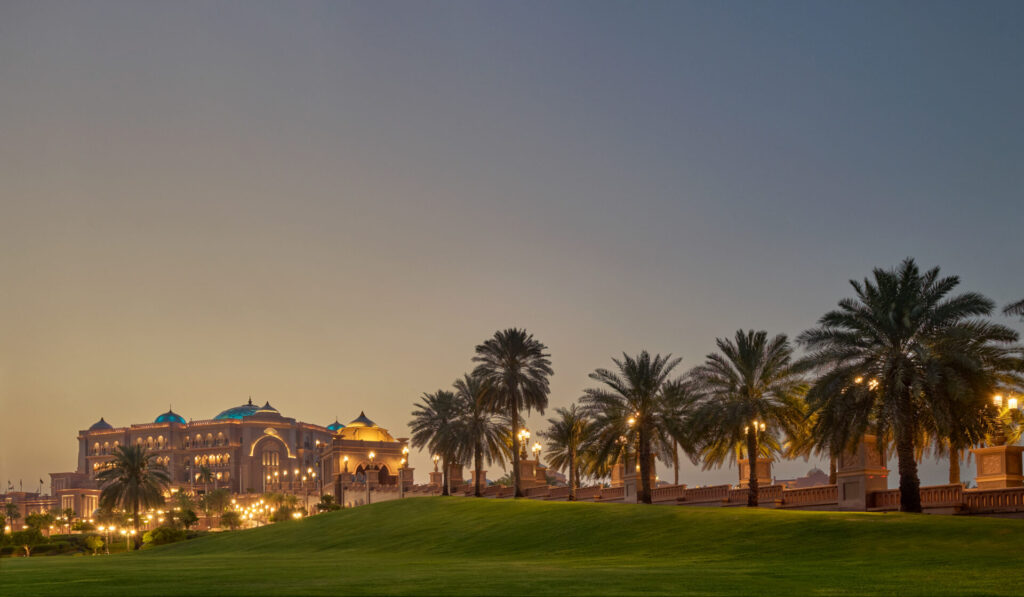
Our several nights here revealed a property that operates on two distinct levels. Day visitors arrive to photograph the lobby’s soaring domes and marvel at the 6,000 square metres of 22-karat gold leaf adorning interior surfaces. Meanwhile, actual guests discover a network of private spaces, including the exceptional EP Club, that offer respite from the spectacle. This duality, the ability to provide both grand theatre and intimate luxury, sets Emirates Palace apart from conventional five-star hotels.
First moments
Staff in ornate gilded tailcoats met us at the entrance, initiating a welcome ritual that felt ceremonial yet never oppressive. At reception, we received roses, chilled towels, dates, and a selection of traditional juices and teas. This choreographed greeting established expectations immediately. The palace makes no apologies for its grandeur, from the room keys shaped like gold coins to the 114 domes crowning the structure, yet the human warmth underlying these gestures prevented the experience from feeling cold or impersonal.
Discovering the EP Club
Booking an EP Club room transformed our stay entirely. This exclusive enclave, positioned discreetly away from public areas, operates several levels above typical hotel club lounges. The distinction begins with access. Private golf carts transported us from the main lobby, drivers providing impromptu tours of the sprawling grounds. This wasn’t a one-time courtesy. The 24/7 cart service took us anywhere across the property, whether to restaurants, the spa, or back to our suite. Given the palace’s vast scale, this convenience proved invaluable, turning what could have been exhausting walks into effortless journeys.
The EP Club itself opens throughout the day for breakfast, afternoon tea, and evening canapés. Beyond the self-service stations, a small menu offers freshly prepared dishes. Lobster scrambled eggs at breakfast became our daily indulgence, whilst the changing afternoon tea and evening canapés selections ensured each visit brought surprises. The free-flowing Champagne certainly impressed, but the real distinction came from the team.
Nicholas and his colleagues learned our names within hours, remembered our preferences, and maintained professional warmth that never crossed into false familiarity. They anticipated needs without hovering, offered suggestions without pushing, and created an atmosphere that felt genuinely welcoming rather than merely polished. This consistency across multiple days and different staff members suggested genuine culture rather than individual excellence.
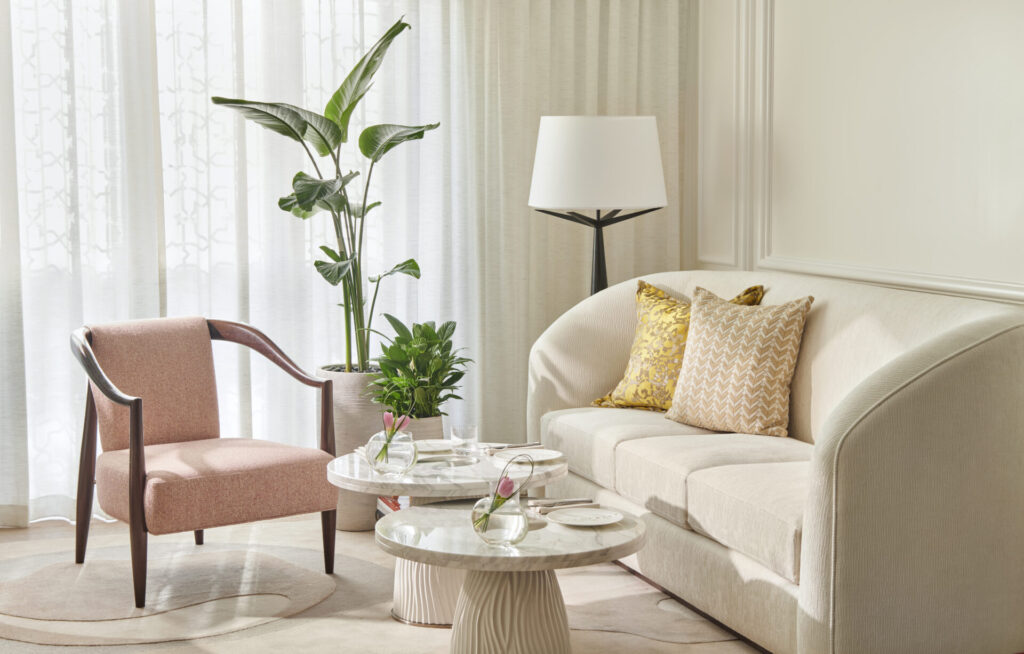
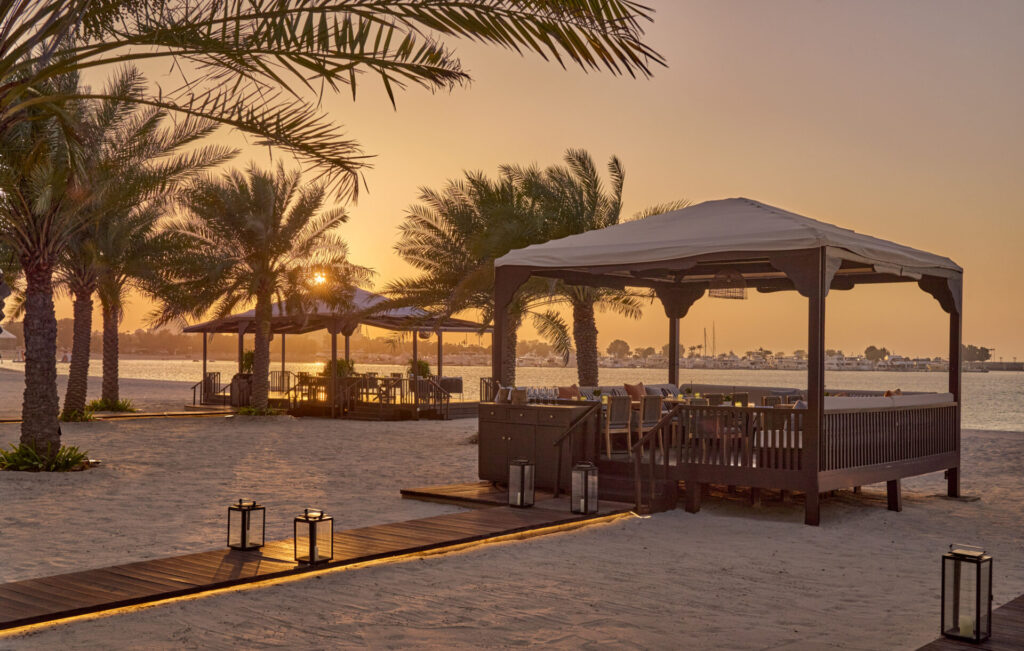
EP Club membership included access to a private beach section, segregated from the main 1.3-kilometre stretch. Here, substantial daybeds, premium sun loungers, and private cabanas provided seclusion impossible to achieve on the public beach. A dedicated butler and concierge service, along with priority restaurant reservations, completed benefits that delivered meaningful value rather than marginal improvements.
Our suite
The sea view suite provided direct Gulf views and beach club access. Marble bathrooms featured deep soaking tubs, separate rain showers, and premium Amouage amenities. The living areas balanced traditional Arabian luxury with contemporary comfort, avoiding the visual excess that can afflict properties of this nature. Fresh orchids appeared daily. The iPad environmental controls mostly worked, though we experienced occasional technical glitches that required butler intervention.
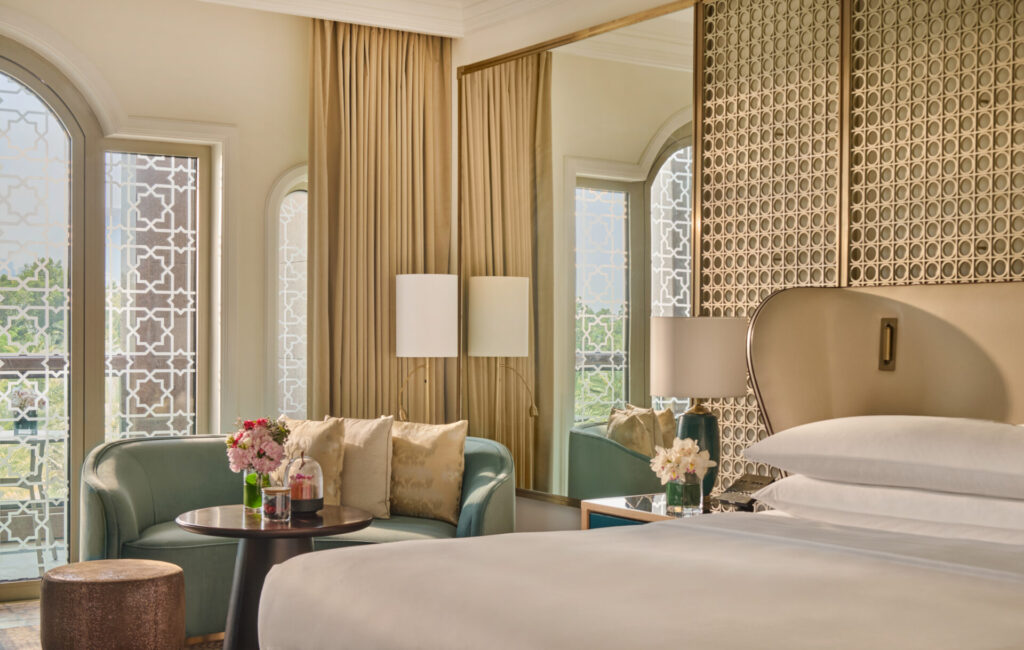
Our balcony became the suite’s most valuable feature. Morning coffee watching sunrise over the water, evening drinks observing the spectacular sunsets, these quiet moments in extraordinary surroundings created lasting memories. The palace’s public grandeur attracts attention, but these private experiences justified the substantial rates.
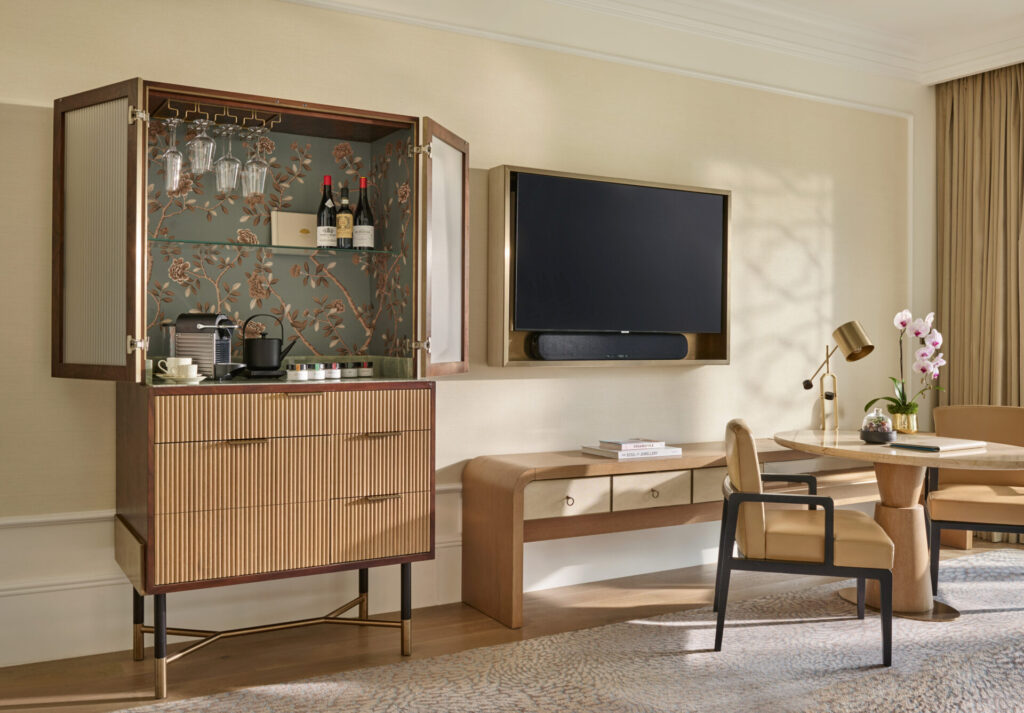
The hotel’s 394 rooms and suites divide between two wings. The Mandarin wing accommodates families, whilst the Oriental wing targets adults. This segregation works effectively, allowing different guest demographics to coexist without compromise. Six dedicated vegan rooms represent a progressive touch, featuring sustainable materials, plant-based amenities, and furniture avoiding animal products whilst maintaining luxury standards.
Culinary experiences
Emirates Palace houses multiple dining venues, but we focused on the two Michelin-starred establishments and Lebanese Terrace, finding these three sufficient to occupy our evenings without repetition.
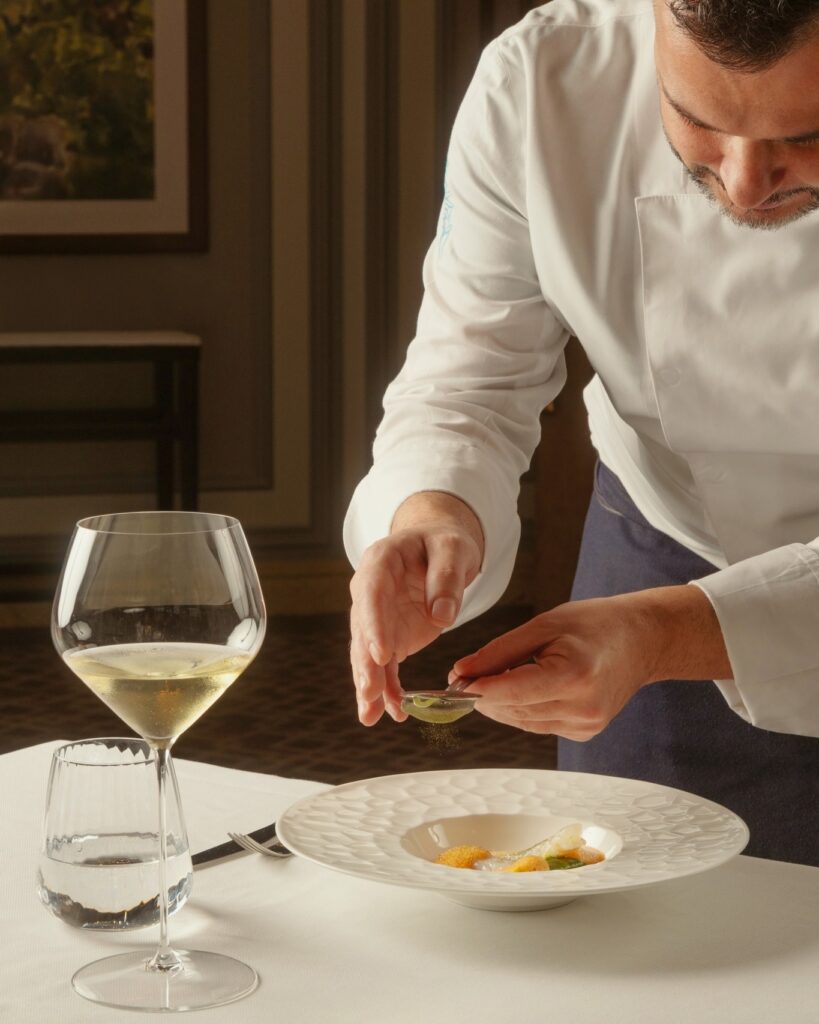
At Talea by Antonio Guida, Head Chef Luigi Stinga’s execution of cucina di famiglia impressed across a six-course tasting menu. The handmade ravioli combining smoked eggplant with beef tartare shouldn’t work theoretically, yet achieved beautiful balance. Seared langoustine arrived with perfect crust and tender interior, paired with grilled lettuce and citrus bisque that elevated rather than masked the seafood. The tableside tiramisu assembly provided theatre without gimmickry, concluding a meal that justified the restaurant’s star through consistent excellence rather than flashy technique.
Lebanese Terrace offered an entirely different but equally accomplished experience. Chef Gilber Sakr’s approach honours Lebanese coastal traditions without becoming constrained by them. We shared an assorted seafood platter where the char-grilling technique alone warranted the visit. Lobster tail, jumbo prawns, hammour, and salmon had developed proper caramelisation without any bitter notes, each protein cooked precisely to maintain tenderness whilst gaining complexity from the fire. The accompanying crispy chilli and garlic potatoes, tossed with fresh coriander, nearly stole the show. Even the playful gazleyah dessert, combining muhalabia with cotton candy and caramel, worked surprisingly well.
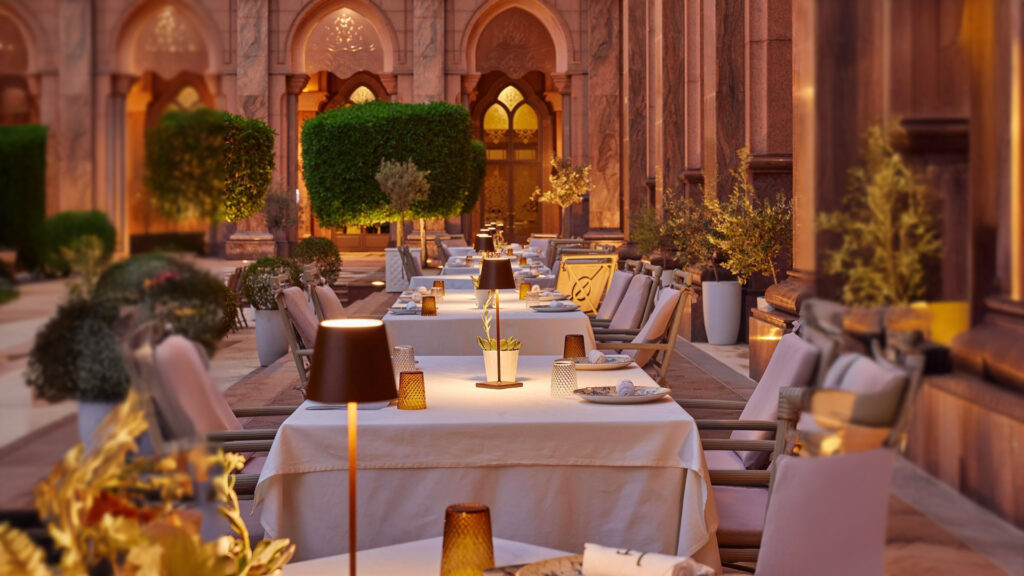
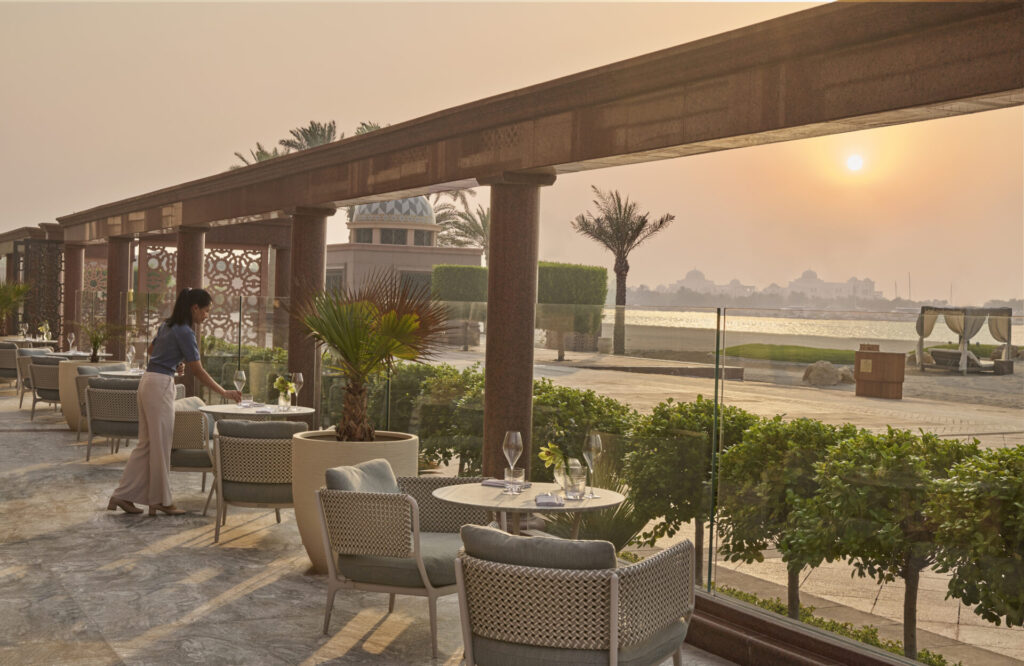
Hakkasan, the property’s other Michelin-starred venue, brings authentic Cantonese cuisine to Abu Dhabi. The carved wooden screens and moody lighting create atmosphere without descending into cliché, whilst the kitchen delivers dishes that honour the London flagship’s reputation. We particularly enjoyed the outdoor Hakkasan Terrace, where cabanas overlook the city skyline and bespoke cocktails complement the bold flavours.
The beach and recreational facilities
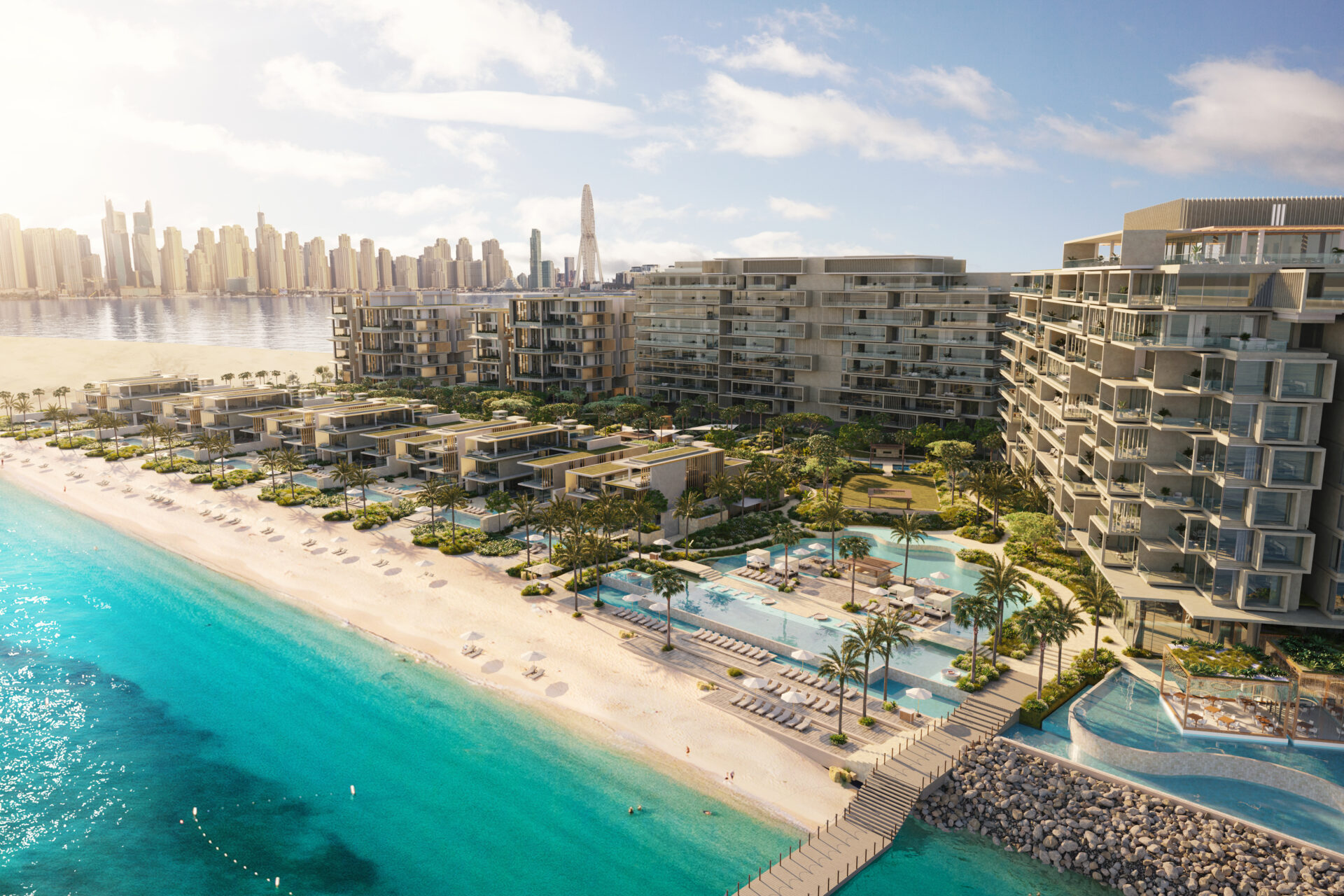
The private beach, constructed with imported Algerian white sand, stretches 1.3 kilometres along the coast. Two temperature-controlled pools serve different purposes. One incorporates in-water hammocks that create a floating sensation, whilst the family pool features water slides and gentle rapids that appealed to guests of all ages.
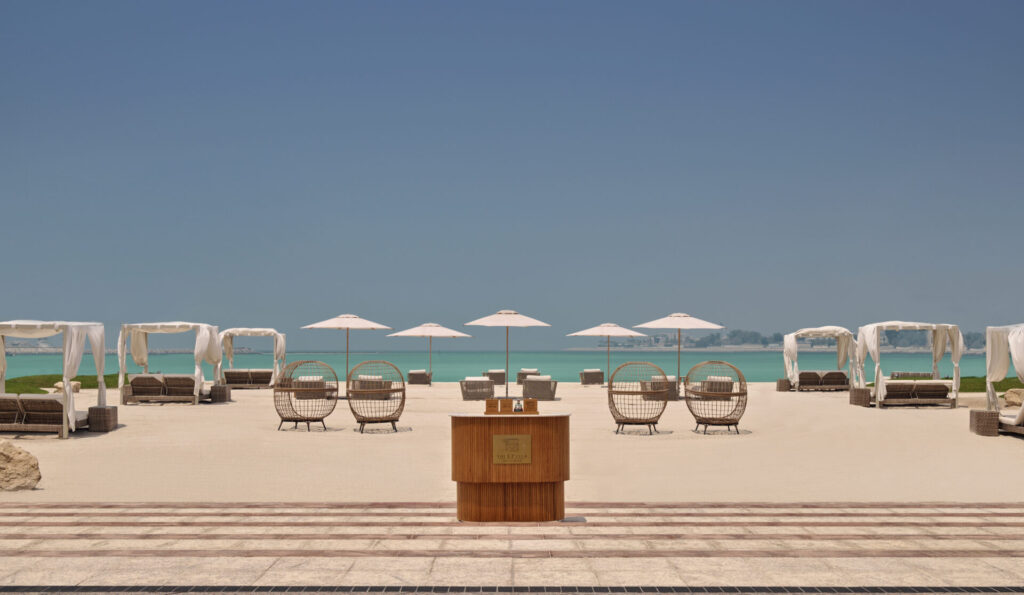
The water sports centre provided both relaxation and excitement. We tried paddleboarding at sunset, the Gulf waters calm and the temperature perfect. For those seeking more adrenaline, wakeboarding and electric speed boat experiences operate using renewable energy, demonstrating how luxury and sustainability can coexist. Weekly complimentary horse riding along the beach felt authentically local rather than manufactured for tourists.
Six kilometres of landscaped running paths wind through the grounds, offering genuine distance for serious runners whilst remaining accessible to casual joggers. Beach volleyball courts, tennis facilities, and complimentary bicycles round out the recreational options. The sheer variety meant we never felt confined despite spending most of our time on property.
Wellness and grooming
The award-winning spa draws inspiration from Moroccan and Oriental traditions, blending ancient therapies with contemporary wellness practices. We experienced the Oriental Qi massage, ninety minutes that balanced relaxation with therapeutic benefit through proper technique and attention.
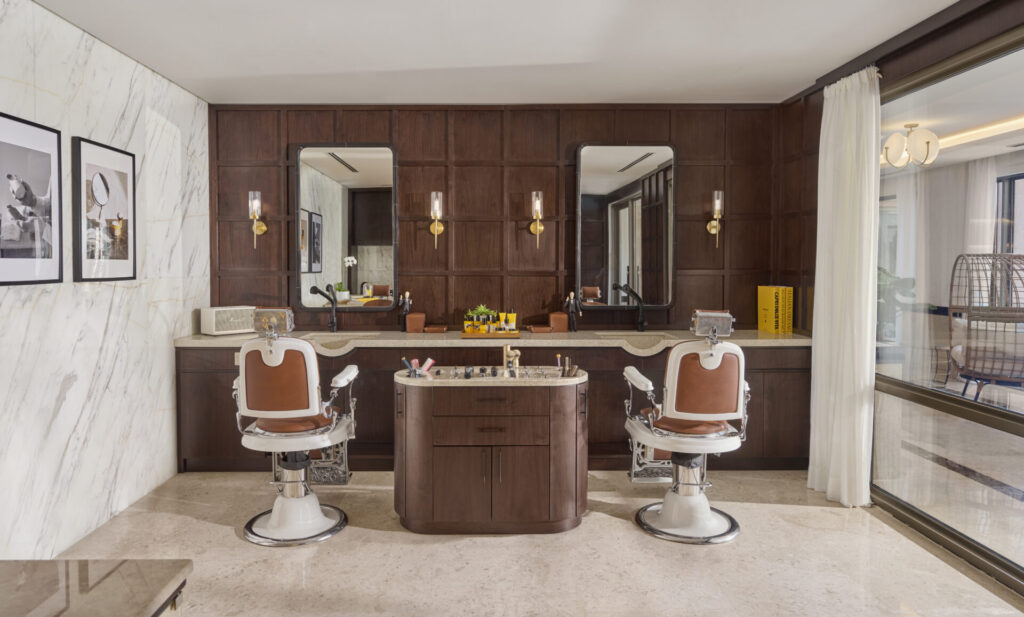
The Acqua di Parma Barbiere deserves separate mention. This isn’t a hotel barber shop offering basic cuts. The head barber, whose client list includes Pep Guardiola and Manchester City footballers, delivers bespoke grooming that combines traditional Italian barbering with modern methods. The experience extends well beyond a haircut, incorporating face, hand, and shoulder massages that left us feeling genuinely refreshed. The traditional products and meticulous attention elevated what could have been routine maintenance into something memorable.
Exploring beyond
The palace sits ten minutes from the Founders Memorial and roughly ten miles from the Sheikh Zayed Grand Mosque Centre. We visited the mosque late afternoon, finding the white marble interiors breathtaking and the spiritual atmosphere palpable. Free entry with appropriate dress makes this accessible to all visitors, and the architecture alone justifies the short journey.
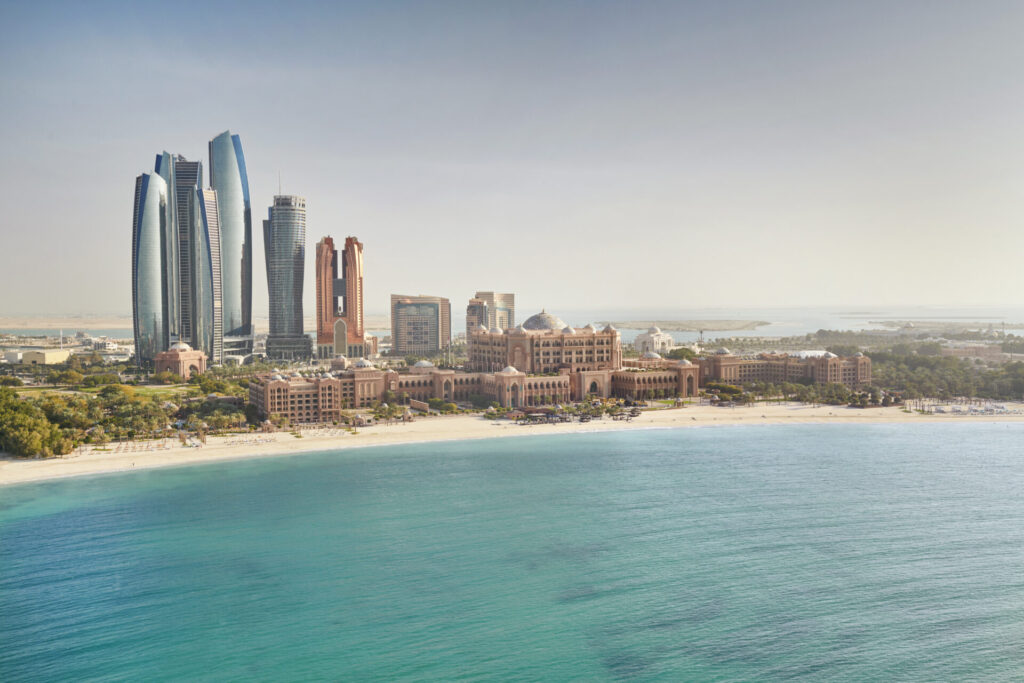
Abu Dhabi’s city centre sits thirty minutes away, whilst Dubai requires ninety minutes. This positioning allows the property to function either as a base for exploration or as a destination unto itself. We found ourselves rarely leaving the grounds, which speaks to both the quality of facilities and the appeal of simply inhabiting such extraordinary space.
Reflecting on the experience
Emirates Palace Mandarin Oriental succeeds because substance matches spectacle. The gold leaf and soaring domes attract attention, but the kitchen skills at Talea and Lebanese Terrace, the thoughtful EP Club service, the private spaces offering respite from magnificence, these elements create a hotel that functions beautifully despite its palace proportions.
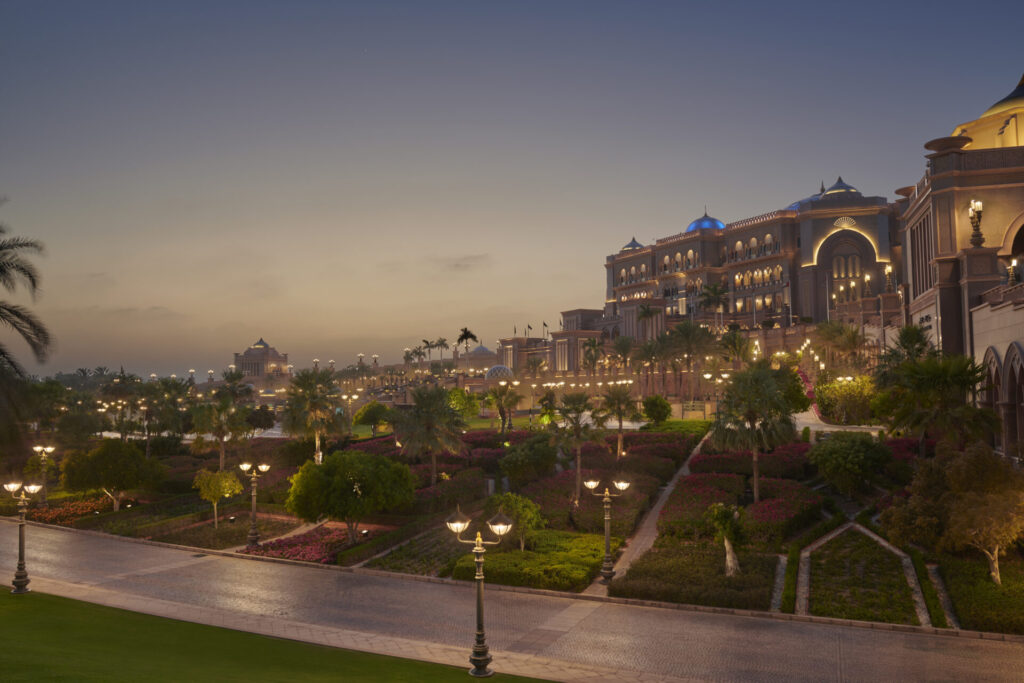
The property caters brilliantly to divergent preferences. Visitors seeking grandeur find it everywhere, from the public spaces to the sheer architectural scale. Guests preferring discretion discover the EP Club and other private enclaves that deliver luxury without ostentation. This flexibility, the ability to choose your own experience, elevates Emirates Palace beyond simple categorisation.
For travellers drawn to Abu Dhabi, whether for cultural exploration, business, or proximity to Dubai, this palace offers accommodation unlike anywhere else. It balances theatre with comfort, formality with warmth, excess with genuine hospitality. We departed impressed, satisfied, and already considering when circumstances might bring us back.