The world’s high-net-worth individual population stands at nearly 23 million people, collectively holding close to $87 trillion in wealth. That figure alone reflects the extraordinary influence this group exerts on global capital markets. Now, as a generational handover of unprecedented scale approaches, the strategies, priorities and locations underpinning that wealth are all under review.
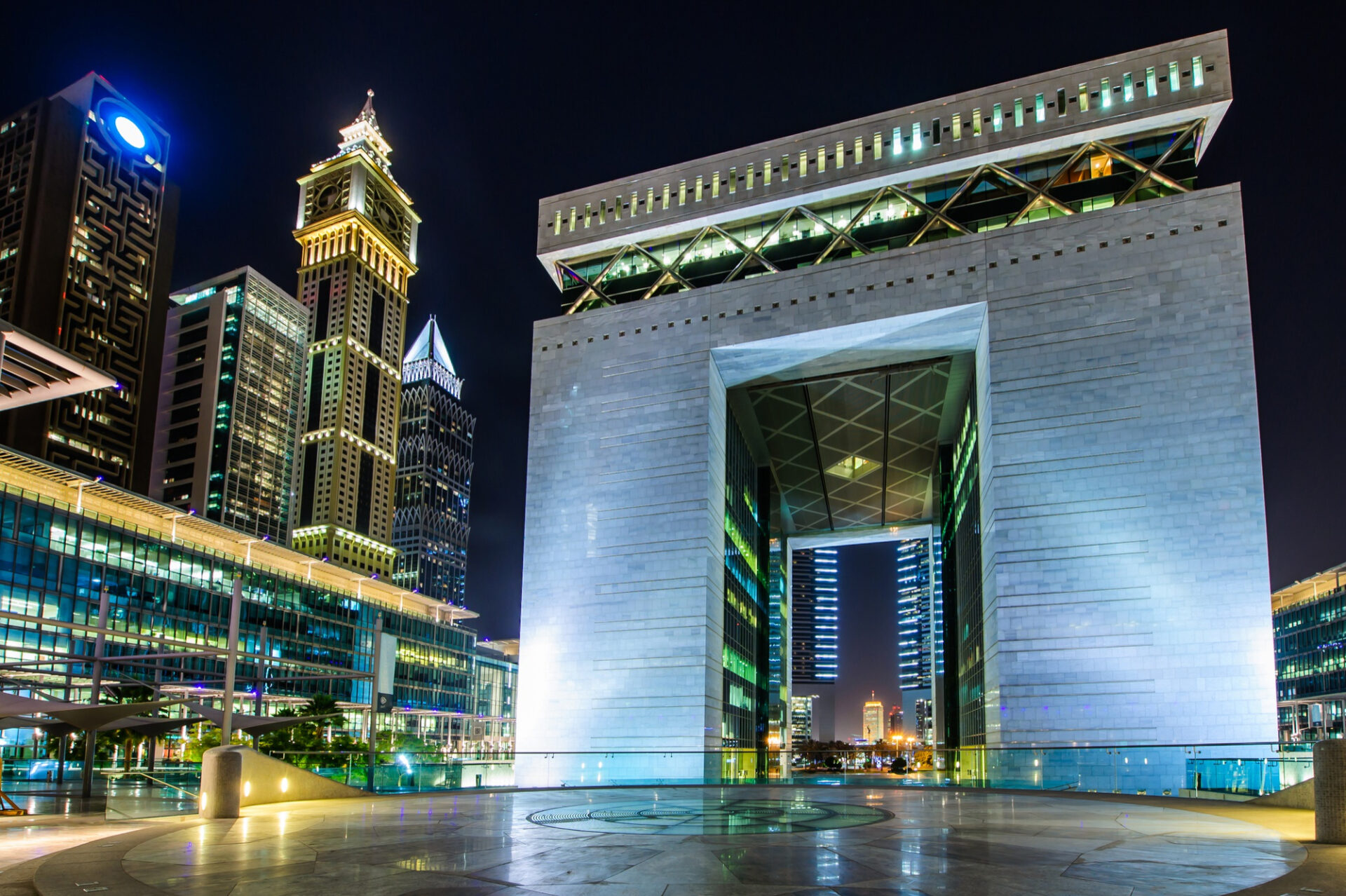
Dubai International Financial Centre has published the first report in its 2026 Future of Finance series, titled Global Wealth Outlook: Rethinking Growth in a Changing World. The report examines how persistent market volatility, geoeconomic uncertainty and demographic change are driving a structural realignment in the way private and family wealth is managed, allocated and preserved across borders.
What emerges from the research is a picture of a wealth management industry navigating significant transition. The clients are changing, the priorities are changing, and the places where wealthy families choose to base themselves and their capital are changing too.
The $124 trillion question
The single most consequential force reshaping global wealth strategy is the $124 trillion intergenerational transfer expected to take place by 2048. As younger heirs assume greater control over family assets, the investment priorities driving decision-making are shifting markedly.
The report describes next-generation wealth holders as pursuing what it terms multi-dimensional prosperity. Rather than optimising purely for financial return, these individuals are weighing a broader set of objectives: resilience against inflation and market drawdowns, portfolio flexibility for unforeseen events, family cohesion across generations, environmental and social impact, and the long-term protection of family reputation.
Private markets, artificial intelligence, sustainability and impact investing are all rising up the agenda as a result. Following AI, renewable energy is forecast to record the fastest growth trajectory in UHNWI portfolios in the coming years, a shift the report attributes to genuine conviction rather than trend-following, with the ultra-wealthy increasingly backing sustainability positions with material financial commitments.
The growing influence of women in wealth
One of the more striking findings in the report concerns the rising role of women in global wealth. Women now account for more than a tenth of ultra-high-net-worth individuals worldwide, and are positioned to receive 95 per cent of an estimated $54 trillion in inter-spousal wealth transfers.
Female heirs, the report finds, typically prioritise investments aligned with ethical considerations and social impact, including sustainable projects, philanthropic endeavours and innovative ventures. As this cohort grows in influence, the expectation is that it will accelerate the shift towards values-led investment approaches already under way across the broader UHNWI population.
This is not a marginal development. The sheer scale of inter-spousal transfers means that how female wealth holders choose to deploy capital will have a measurable effect on global investment flows over the coming decades.
Geography as a portfolio decision
Perhaps the most strategically significant insight in the report is the reframing of geography itself as a portfolio consideration. Jurisdictional risk, covering regulatory stability, tax policy, legal clarity and political environment, is becoming a defining factor in long-term wealth preservation decisions, sitting alongside traditional asset allocation in the thinking of advisers and their clients.
It is within this context that Dubai’s appeal has grown considerably. Henley & Partners estimates that the UAE attracted approximately 9,800 new millionaires in 2025, the highest net inflow of wealthy individuals globally, with the majority settling in Dubai. The movement reflects broader dissatisfaction with shifting tax and regulatory environments in more established financial centres.
Arif Amiri, Chief Executive of DIFC Authority, articulated the dynamic plainly: “The global wealth landscape is undergoing a structural shift. In an environment of volatility, regulatory divergence and generational change, families are thinking about risk, resilience and long-term growth. Increasingly, geographical allocation is becoming as important as how wealth is invested. Dubai, and in particular DIFC, has anticipated this shift and offers a stable and globally connected environment with regulatory clarity in which families and private investors can make long-term decisions with confidence.”
Dubai’s infrastructure for private wealth
DIFC now hosts more than 1,289 family-related entities, making it the largest family wealth ecosystem in the UAE. The Centre’s broader infrastructure spans private banking, wealth and asset management, and legal and advisory services, a comprehensive platform designed to serve internationally mobile families with complex cross-border requirements.
A notable recent development is the DIFC Family Wealth Centre, described as a world-first initiative dedicated to supporting multi-generational families. The Centre functions as a hub for thought leadership, peer networking and next-generation engagement, directly addressing the succession planning and family governance challenges that feature prominently in the report’s findings.
The UAE’s designation of 2026 as the Year of Family adds a further layer of institutional alignment to this growth, reflecting the country’s recognition of families as central actors in global wealth stewardship rather than a peripheral category within private banking.
What this means for wealth advisers
The demands placed on wealth advisers are evolving in step with client expectations. The report is clear that technical competence alone is no longer sufficient. Advisers are now expected to navigate private deal structures, identify credible venture and growth-stage partners, and integrate data-driven analytics into their advisory practice, capabilities that go well beyond traditional portfolio construction.
Yet despite the increasing role of technology, the report concludes that wealth management remains fundamentally a people business. Building trust, managing complex family dynamics and genuinely understanding the values and long-term goals of individual families are the qualities that distinguish effective advisers in this environment. The tools may be changing, but the relationships remain central.
The report’s conclusion is unambiguous: Dubai is not simply responding to shifts in global wealth flows, but actively shaping the conditions under which private and family capital can grow. Whether that assessment proves correct over the longer term will depend on continued regulatory stability and the depth of the ecosystem the city is working to build, but the direction of travel, for now, appears clear.