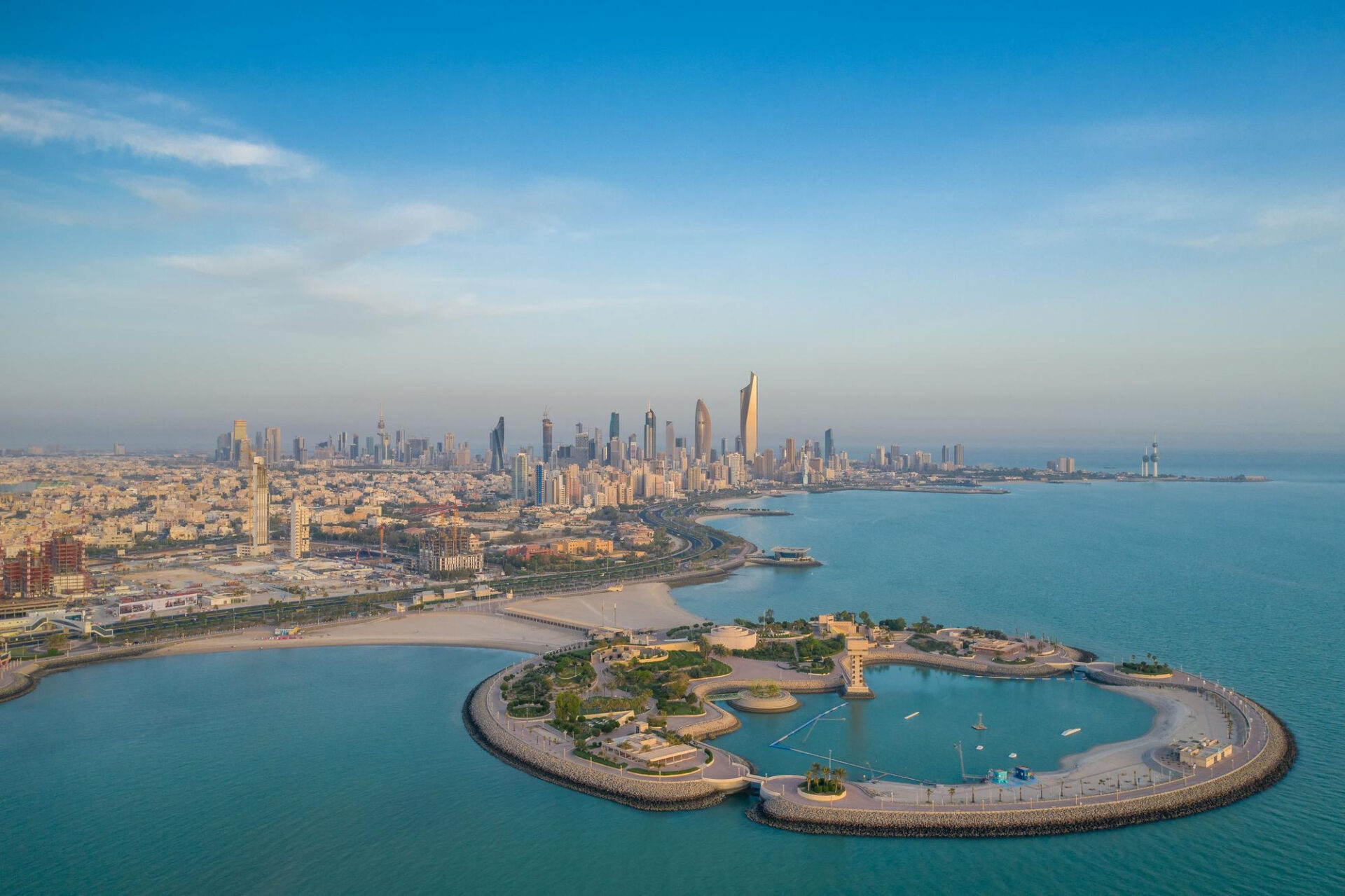
Kuwait enters its 66th year as an independent nation with a financial and economic profile that commands serious attention. The Statistical Centre for the Cooperation Council for the Arab Countries of the Gulf recently published a comprehensive account of the country’s progress, framing 2025 as a landmark year shaped by economic resilience, diplomatic engagement and measurable advances across health, energy and innovation. The publication, titled State of Kuwait: Deep-Rooted Foundations and Steps Toward the Future, draws a clear line between the country’s heritage and its forward ambitions.
The vision driving this momentum is that of Sheikh Mishal Al-Ahmad Al-Jaber Al-Sabah, Emir of Kuwait, whose leadership has been characterised by a focus on long-term national prosperity and strengthened global standing. The results, at least in 2025, bear that out across multiple sectors. For any investor, diplomat or business leader paying attention to the Gulf region, the data warrants careful consideration.
Financial foundations that speak for themselves
The headline figure is difficult to overlook. Kuwait’s sovereign wealth fund assets have surpassed $1 trillion, a threshold that places the country among a small group of nations with truly significant institutional financial reserves. Complementing this, banking sector assets exceeded KD100 billion, equivalent to approximately $327.5 billion, underscoring the depth and stability of the domestic financial system.
The Kuwait Stock Exchange added further weight to this picture, recording gains of more than KD9.6 billion ($31.4 billion) over the course of the year. That performance reflects sustained investor confidence rather than speculative activity, and it reinforces the country’s position as a credible destination for serious capital. Sovereign credit ratings remained in the high category with a stable outlook, providing the kind of institutional reassurance that matters in volatile global markets.
Innovation and the digital economy
Perhaps more surprising to outside observers is Kuwait’s standing in the Global Innovation Index 2025, where the country placed among the world’s top ten. The ranking reflects tangible infrastructure advances, notably in 5G deployment, mobile internet speed, government digitalisation and digital workforce efficiency, rather than ambition statements.
The country also ranked 19th globally in the National Brand Value Index, with brand value equivalent to roughly nine per cent of GDP, one of the highest ratios recorded worldwide. That figure matters because national brand value influences everything from foreign direct investment to bilateral trade negotiations. It signals how Kuwait is perceived by international partners, and the number suggests the perception is increasingly positive.
Energy, health and heritage milestones
Away from the financial metrics, 2025 produced a number of achievements that illustrate the breadth of Kuwait’s development agenda. The Jaza Offshore Field reached its highest daily gas production rate in 90 years, a figure that carries both economic and strategic weight given the role of energy exports in the national budget. Civil aviation safety standards progressed, and public health laboratories advanced in line with international benchmarks.
Medical science featured too. Kuwait performed the longest-distance transcontinental robotic surgery recorded, a milestone that reflects genuine investment in healthcare capability rather than simply infrastructure. Significant archaeological discoveries on Failaka Island added a cultural dimension to the year’s achievements, reinforcing the country’s interest in preserving and sharing its historical identity.
Diplomatic weight and regional leadership
Kuwait’s international standing continued to develop in 2025. The country registered its first United Nations resolution under its own name in the field of innovation, a modest but meaningful signal of growing multilateral engagement. Its humanitarian commitments, a long-standing feature of Kuwaiti foreign policy, remained active across international relief efforts.
On a regional level, Kuwait marked 45 years of membership in the Gulf Cooperation Council, having hosted eight GCC summits during that period. Those summits contributed to meaningful regulatory and economic integration across member states, including steps toward a GCC common market, coordinated financial markets, unified environmental frameworks and broader Arab economic cooperation. For a country of Kuwait’s size, that degree of regional influence reflects consistent, principled engagement rather than opportunistic positioning.
The 65th National Day, then, carries genuine weight. The numbers are real, the progress is documented, and the direction of travel is clear.