
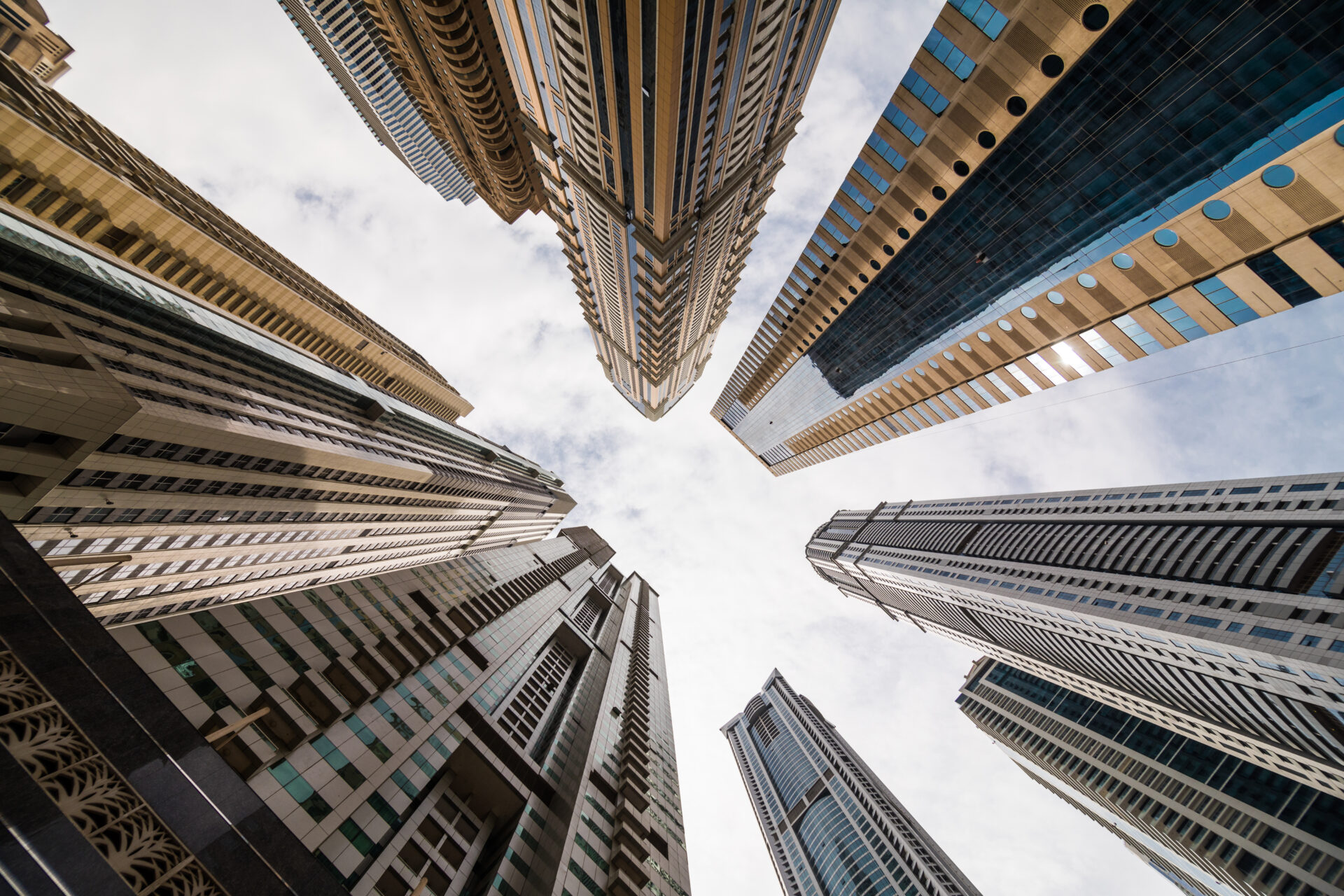
Dubai’s architectural landscape is undergoing a fascinating transformation. The unveiling of Aladdin City marks a notable departure from the minimalist glass-and-steel aesthetic that has defined the emirate’s skyline for decades. This ambitious development raises a compelling question: is the city returning to its roots, or merely capitalising on nostalgia?
The project draws heavily from traditional Arabian and regional Islamic architecture. Intricate geometric patterns, muqarnas (honeycomb vaulting), and wind-tower designs feature prominently in the masterplan. These elements, which characterised Middle Eastern cities for centuries, are being reinterpreted through a contemporary lens using modern materials and construction techniques.
A Necessary Recalibration?
Proponents argue that Aladdin City represents a necessary recalibration. Dubai’s exponential growth has often prioritised novelty over cultural identity. A generation of residents and visitors have experienced a city that looks like it could exist anywhere on Earth. The new project offers an alternative narrative — one that acknowledges the Gulf’s architectural heritage whilst remaining firmly rooted in 21st-century innovation.
Questions of Authenticity
The sceptics, however, question the authenticity of this approach. Is regional revivalism merely a marketing tactic aimed at wealthy international buyers seeking “authentic” experiences in a rapidly globalising region? Does recreating traditional design elements without the cultural context that birthed them constitute genuine architectural practice, or clever theming?
The answer likely lies somewhere between both positions. Aladdin City’s success will depend not on whether it perfectly captures historical accuracy, but on whether it succeeds in creating a meaningful sense of place. Dubai has a proven track record of executing large-scale developments with exceptional quality. If the project maintains those standards whilst genuinely engaging with regional design principles, it could represent a maturing of the city’s architectural ambitions.
A Broader Implication
For years, the Gulf’s rapid modernisation has been characterised as a wholesale rejection of tradition. Aladdin City suggests a more nuanced relationship is possible — one in which innovation and heritage are not opposing forces but complementary elements in a coherent urban vision.
Whether this signals a genuine cultural shift or simply another commercially savvy development remains to be seen. What is certain is that Aladdin City will be closely watched by architects, planners, and observers across the region as a bellwether of how the Gulf approaches the intersection of tradition and progress.