
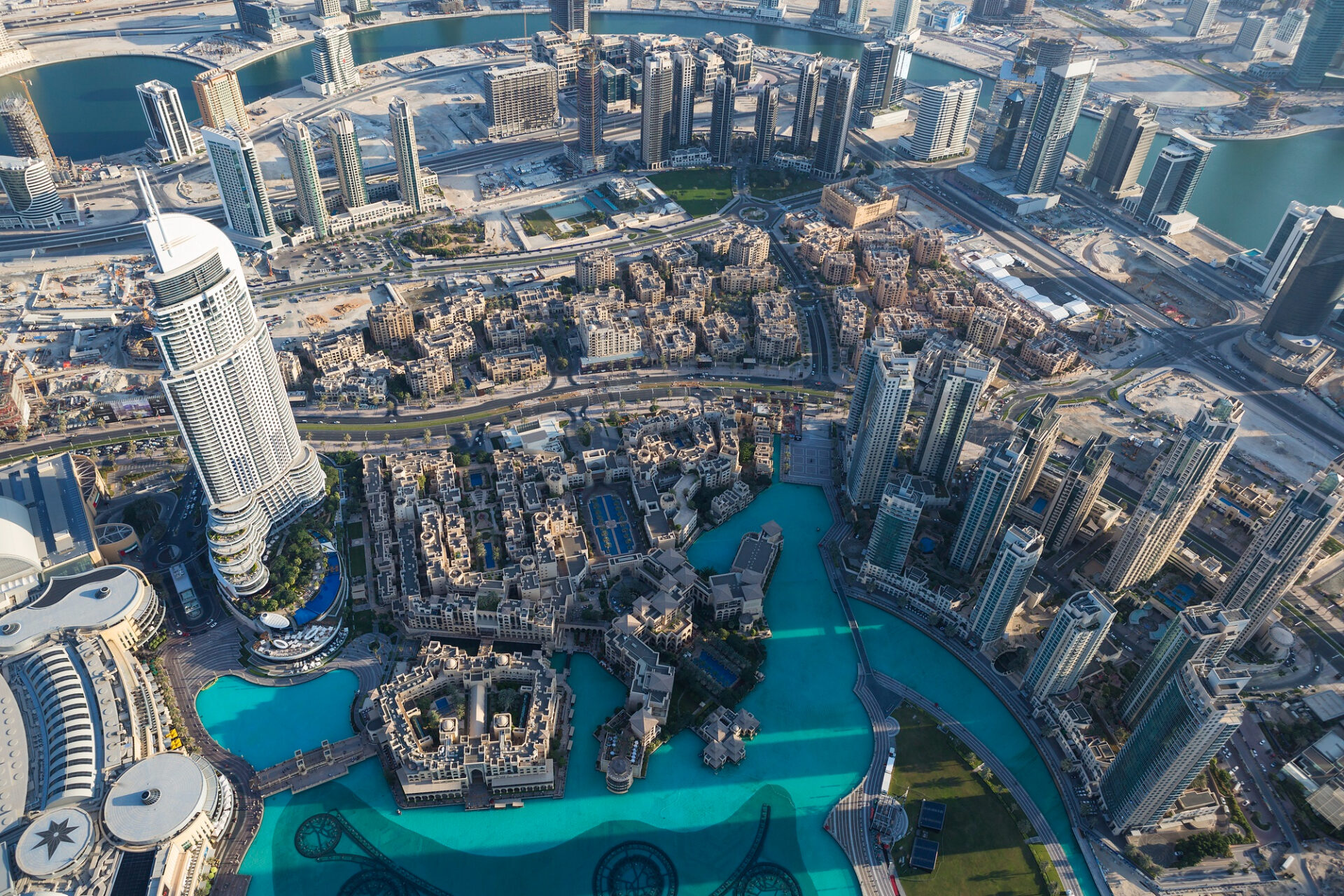
Dubai continues to position itself as the world’s premier luxury destination for affluent travellers seeking seamless integration of property ownership and leisure experiences.
The emirate’s thriving real estate sector has evolved beyond traditional investment models. High-net-worth individuals increasingly purchase luxury properties not merely as financial assets, but as portals to a lifestyle ecosystem combining residence, hospitality, and experiential travel opportunities.
The Property-to-Experience Model
Modern affluent travellers expect their residential investments to serve multiple purposes. Dubai’s premium developments now incorporate world-class dining, spa facilities, and curated experiences accessible exclusively to property owners. This convergence creates what hospitality executives term the ‘lifestyle property’ category, distinguishing it from conventional real estate investment.
The city’s commitment to architectural innovation enhances this appeal. Iconic projects continue to attract discerning global audiences seeking properties that deliver both aesthetic distinction and functional luxury.
International Appeal and Market Dynamics
Dubai’s strategic position bridges East and West, attracting clientele from across the globe. The Emirates’ commitment to luxury tourism infrastructure ensures that property owners benefit from world-class amenities, medical facilities, and cultural programming. This ecosystem fundamentally differs from traditional holiday destinations where accommodation remains separate from personal property ownership.
Developers increasingly recognise that affluent travellers value convenience and integrated experiences. Properties designed specifically for international clientele incorporate features addressing the needs of global visitors: concierge services, multilingual staff, and seamless transportation access.
Cultural and Economic Significance
The interplay between Dubai’s real estate market and tourism sector strengthens the broader economy. Each luxury property transaction supports hospitality businesses, retail establishments, and service providers operating within the city’s premium sector. This economic multiplier effect demonstrates why international property investment remains strategically important to the emirate’s sustained growth.
For international travellers considering extended stays or seasonal residency, the convergence of property ownership and luxury experiences offers unprecedented flexibility. Owning property in Dubai provides stability whilst maintaining access to the constant stream of new restaurants, cultural attractions, and wellness experiences that define the city’s lifestyle landscape.
Future Outlook
The transformation of Dubai’s real estate market reflects a fundamental shift in how affluent individuals conceptualise travel and property ownership. What began as discrete sectors -real estate and hospitality -have merged into a unified experience designed specifically for the global elite.