The emirate’s development trajectory shows no signs of slowing. This year brings a carefully curated selection of hotel openings, restaurant launches and infrastructure projects that expand on what already exists whilst introducing new concepts to the market. Heritage districts receive renewed attention alongside cutting-edge transport solutions, creating a city that honours its trading post origins whilst pursuing technological advancement.
Visitors arriving in 2026 will find a destination that operates with remarkable efficiency. The latest additions to Dubai’s hospitality portfolio range from wellness-focused retreats to design-led boutique properties, each bringing distinct character to their respective neighbourhoods. Meanwhile, the dining scene welcomes both international names and Emirati talent, and sporting events draw global participants throughout the year.
What distinguishes Dubai’s approach is the integration of these elements into a cohesive whole. Cultural programming sits comfortably alongside major sporting fixtures, whilst sustainability initiatives complement luxury hospitality rather than competing with it.
Wellness and privacy arrive at Palm Jumeirah
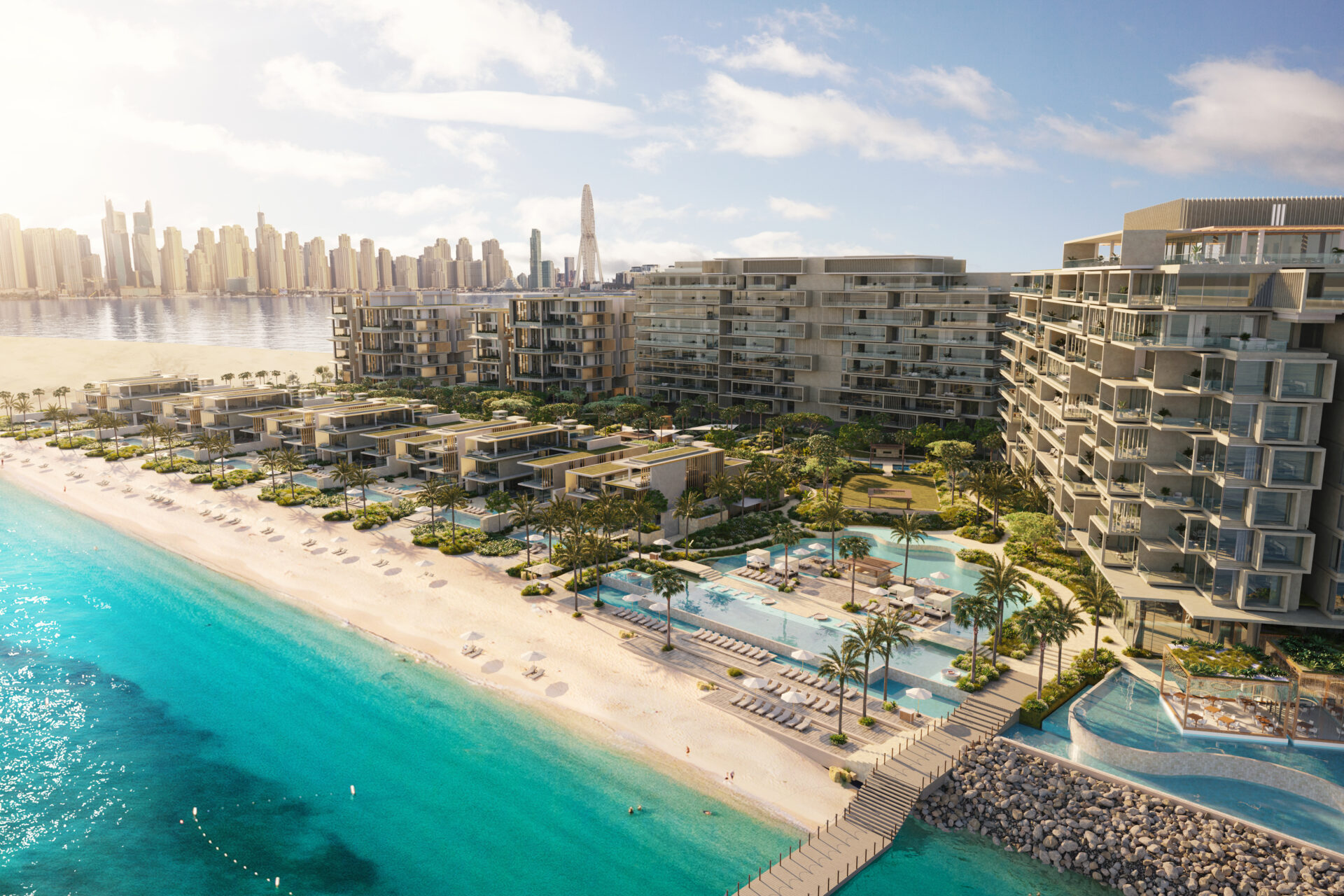
Six Senses makes its Dubai debut on the West Crescent of Palm Jumeirah, bringing 61 rooms and branded residences to the waterfront. The property centres around the brand’s spa philosophy, offering treatments and programmes designed for extended stays. A private beach provides direct Arabian Gulf access, whilst the design maintains the understated aesthetic that defines the Six Senses portfolio globally.
The resort caters specifically to those seeking respite without isolation, maintaining proximity to the city’s business districts whilst creating distinct separation from urban intensity. Facilities include multiple dining venues, wellness programming and residential units that share access to hotel amenities.
French crystal heritage meets Arabian architecture
Baccarat Hotel and Residences Dubai occupies twin towers in the heart of Downtown, marking the French crystal house’s first property in the UAE. The architecture draws inspiration from crystal forms, creating distinctive facades that catch light throughout the day. Ground-level spaces include a promenade and plaza, hosting restaurants and bars that extend the Baccarat name beyond accommodation.
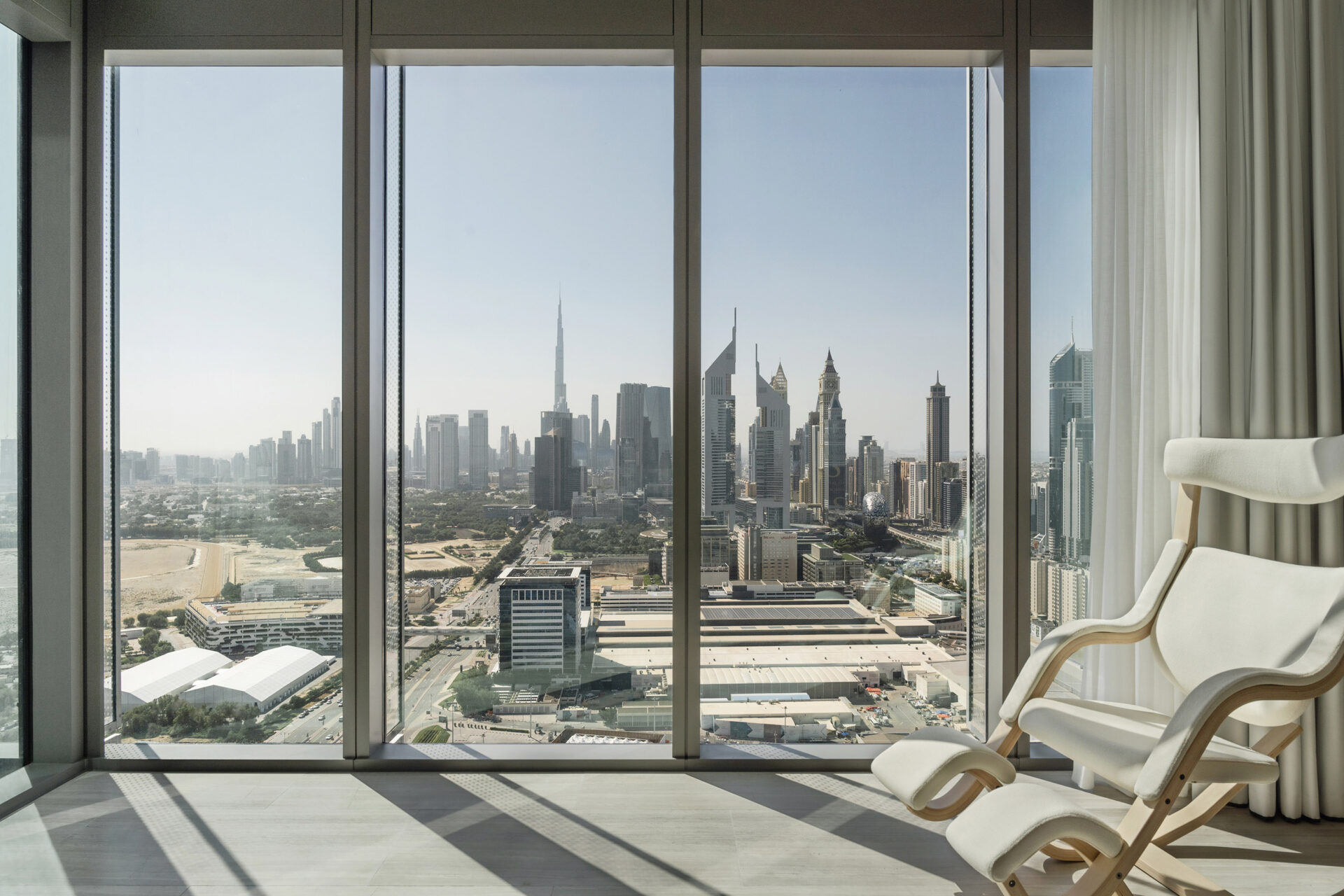
The Pool Sanctuary overlooks Burj Khalifa, whilst the spa incorporates Baccarat’s design language into treatment spaces and relaxation areas. Above the hotel, branded residences offer two to four-bedroom apartments plus four penthouses. The top residence spans five bedrooms and includes a private gym, pool and wine cellar, with floor-to-ceiling windows framing city views. Residents maintain full access to hotel facilities whilst enjoying independent entry and services.
Mediterranean concepts reach The World Islands
Gran Meliá Dubai opens in Jumeirah with 140 metres of private beachfront and marina views. The property introduces Novikov Beach to the city, the brand’s first beach club concept in the region. The hotel’s positioning provides both waterfront access and connection to established neighbourhoods.
Kimpton Dubai takes a different approach in Business Bay, occupying a canal-side location with design-forward interiors and social spaces that encourage interaction. The boutique model prioritises personalised service over scale.
InterContinental Resort Portofino and Côte d’Azur Nice Hotel expand the Heart of Europe project on The World Islands, recreating Mediterranean environments minutes from the mainland. These properties form part of the ambitious development that brings European architectural styles to purpose-built islands. The Meydan Hotel completes renovations, returning to operation alongside the racecourse that anchors Dubai’s equestrian calendar.
Culinary expansion spans global influences
Chef Nobu Matsuhisa establishes his third Dubai location at One Za’abeel, positioning the restaurant on The Link that connects the development’s twin towers. The elevated setting provides city views whilst maintaining the signature Nobu approach to Japanese-Peruvian cuisine.
DIFC adds London’s Barrafina to its roster, marking the Spanish tapas bar’s first international outpost. The restaurant brings its counter-seating format and seasonal menu structure to the financial district. Osaka Nikkei opens at Mandarin Oriental Downtown, continuing the Japanese-Peruvian fusion trend with its own interpretation.
Palm Jumeirah’s dining density increases with AVLU introducing contemporary Aegean cuisine, whilst The MAINE and Canary Club launch beachside venues at Club Vista Mare. These additions cater to the growing residential population whilst serving hotel guests and day visitors.
Abra Restaurant at the Etihad Museum represents a significant development for Emirati cuisine. Chef Sahar Parham Al Awadhi presents modern interpretations of local dishes, creating a menu that complements the museum’s historical narrative. The restaurant operates as both dining destination and cultural experience, elevating regional flavours within a contemporary framework.
Electric aviation begins commercial operation
Dubai’s Roads and Transport Authority partners with Joby Aviation to launch electric air taxi services connecting key districts. The initial network links Dubai International Airport, Palm Jumeirah, Dubai Marina and Downtown Dubai, reducing journey times between these zones to single-digit minutes. The aircraft operate with zero emissions, representing practical application of electric aviation technology in an urban environment.
This development follows years of testing and regulatory preparation, positioning Dubai as the first city to integrate electric air taxis into its transport infrastructure at commercial scale. The service targets time-sensitive travellers whilst demonstrating the viability of urban air mobility.
Heritage districts showcase cultural depth
A food tour through Bur Dubai and Deira receives recognition from Lonely Planet as one of 2026’s top global experiences. The walking route follows the creek, stopping at family-run eateries, spice markets and traditional cafes that predate the emirate’s modern development. These neighbourhoods tell Dubai’s story through architecture, commerce and cuisine, providing context for the city’s rapid transformation.
Art Dubai marks two decades with its April fair at Madinat Jumeirah, assembling over 100 galleries from 35 countries. The theme Future, Past, Present frames the exhibition, exploring how contemporary art engages with history whilst addressing current concerns. The fair attracts collectors, curators and artists, creating temporary density around modern and digital works.
Global Village extends its 30th season through May, operating 30 national pavilions, 250 food outlets and countless retail stalls. The attraction functions as affordable entertainment, drawing families and tourists to themed zones representing countries from Asia, Africa, Europe and beyond.
Alserkal Avenue hosts Quoz Arts Fest in January, filling galleries with exhibitions whilst Cinema Akil runs film screenings and performance spaces accommodate live events. Al Shindagha Historic District transforms for Sikka Art and Design Festival, converting traditional houses into temporary galleries and studios where contemporary artists work within historic structures.
Sporting calendar attracts international competition
The Dubai World Cup celebrates 30 years on 28 March at Meydan Racecourse, bringing together thoroughbred racing’s finest horses and jockeys. The Dubai Racing Carnival precedes the main event, with Fashion Friday and Emirates Super Saturday building momentum through the season.
Golf tournaments include the Hero Dubai Desert Classic at Emirates Golf Club, featuring Rory McIlroy, Tommy Fleetwood and Shane Lowry, plus the Dubai Invitational at Dubai Creek Resort. Running events span the Dubai Marathon’s 25th edition in February and the Burj2Burj route, whilst L’Étape Dubai by Tour de France opens closed roads to cyclists of all abilities, combining competitive and recreational participants on the same course.
These events operate efficiently, leveraging infrastructure built for year-round sporting activity. They draw participants and spectators internationally whilst serving local athletic communities.
Sustainability initiatives take tangible form
Jumeirah Eco Village opens at Madinat Jumeirah, demonstrating how luxury hospitality can incorporate environmental responsibility. Interactive exhibits explain biodiversity protection, marine conservation and food security, whilst hydroponic farms and coral rehabilitation projects show practical applications. Visitors engage with these programmes through guided experiences that balance education with entertainment.
The facility addresses questions around sustainability in desert environments, showcasing water conservation, renewable energy integration and waste reduction within operational hotel settings.
Family-focused programming marks UAE initiative
2026 designates the Year of the Family across the UAE. Dubai Miracle Garden enters its 14th season with installations including the Emirates A380 floral display, whilst Dubai Butterfly Garden provides educational experiences in climate-controlled enclosures. Five Iron Golf opens in Business Bay, combining golf simulators with food and beverage spaces for corporate groups and casual visitors.
Ramadan begins mid-February, bringing night markets, special iftar menus and cultural programming. Eid Al Fitr follows with citywide celebrations, retail promotions and family events that extend across the emirate.
The year’s programming reflects deliberate attention to multi-generational appeal, creating attractions that accommodate different age groups and interests within single venues or events.