
Strategic Leadership for Energy Sector
The appointment represents a significant moment for the UAE’s long-term infrastructure planning. Al Mansoori’s new position places him at the centre of the nation’s energy strategy during a time when the Gulf region faces evolving geopolitical circumstances and shifting global energy markets.
The UAE has positioned itself as a critical player in global energy markets and continues to diversify its economic base beyond traditional hydrocarbon reliance. This leadership transition underscores the government’s commitment to maintaining stability and strategic direction across key economic sectors.
Infrastructure Development in Focus
Balancing Growth with Sustainability
The energy and infrastructure portfolio encompasses vital responsibilities for a nation that has invested heavily in modernising its physical and digital infrastructure over the past two decades. From transport networks to power generation, these sectors underpin both economic competitiveness and quality of life across the emirates.
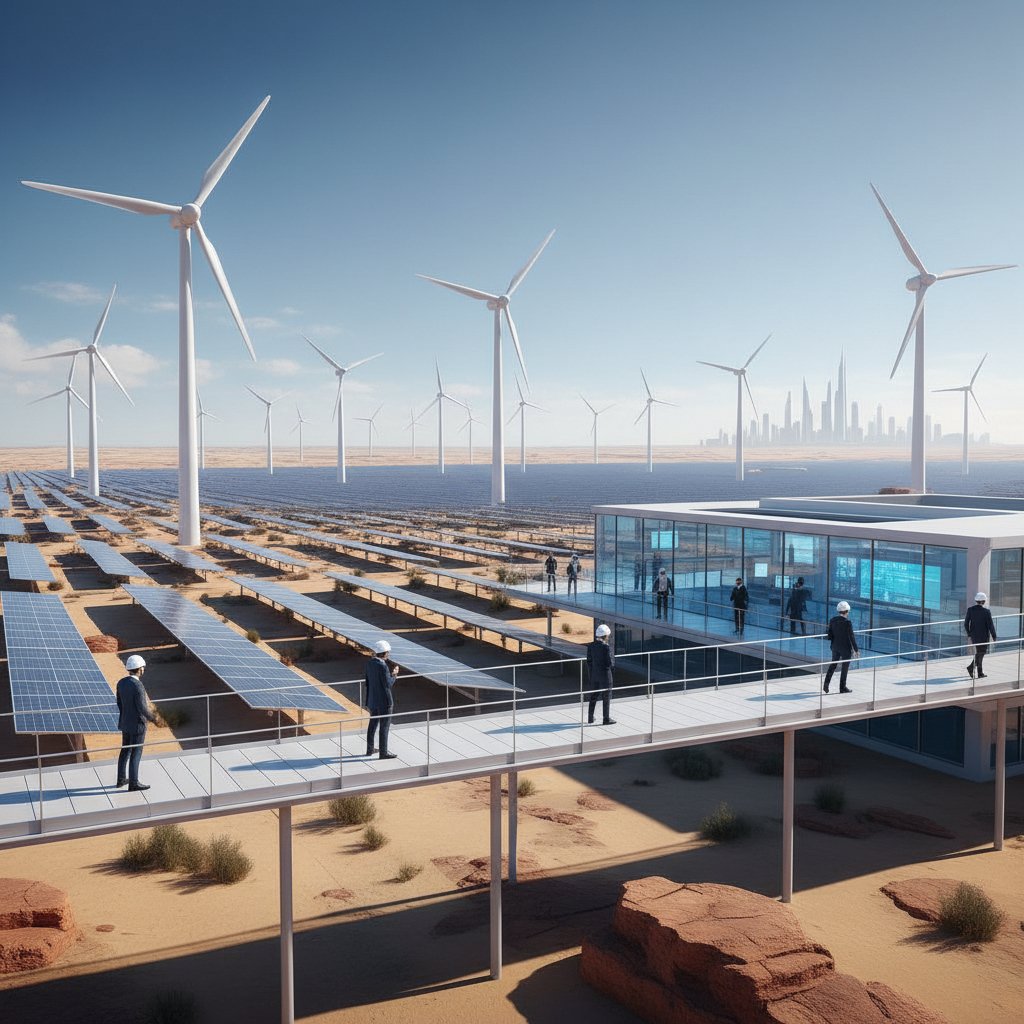
Al Mansoori’s appointment comes as the UAE continues executing major infrastructure projects, including expanding capacity in renewable energy, smart city initiatives, and logistics hubs that support trade across Asia and beyond.
Regional and Global Context
The timing of this appointment reflects broader regional adjustments following recent geopolitical developments. The UAE has maintained its position as a pragmatic economic actor whilst managing relationships with diverse global partners. Energy policy remains central to both domestic stability and international economic engagement.
Infrastructure development directly supports the UAE’s Vision 2030 goals, which prioritise economic diversification, private sector growth, and technological advancement. The energy sector, in particular, continues to generate substantial revenues whilst transition toward cleaner production methods.
Leadership Continuity and Vision
Senior governmental appointments of this nature signal organisational confidence and continuity during periods of regional flux. The UAE leadership has consistently demonstrated its ability to navigate external pressures whilst maintaining focus on domestic development priorities.
Al Mansoori brings experience to a portfolio that requires balancing multiple competing interests: operational efficiency in energy production, investment in renewable capacity, infrastructure modernisation, and alignment with international climate commitments.
Looking Forward
The appointment underscores the UAE’s investment in capable leadership across its economic ministries. As global energy markets continue to evolve and regional circumstances shift, having experienced figures in these roles provides reassurance to investors and trading partners about institutional stability.
Infrastructure spending remains a cornerstone of the UAE economy, supporting both local employment and international business activity. The energy sector continues generating critical tax revenues whilst the government works to expand its non-hydrocarbon economic base through diversification initiatives spanning finance, tourism, technology, and logistics.
This leadership change reflects the pragmatic, forward-focused approach that has characterised UAE governance over recent decades—maintaining economic strength and strategic autonomy whilst adapting to external circumstances.