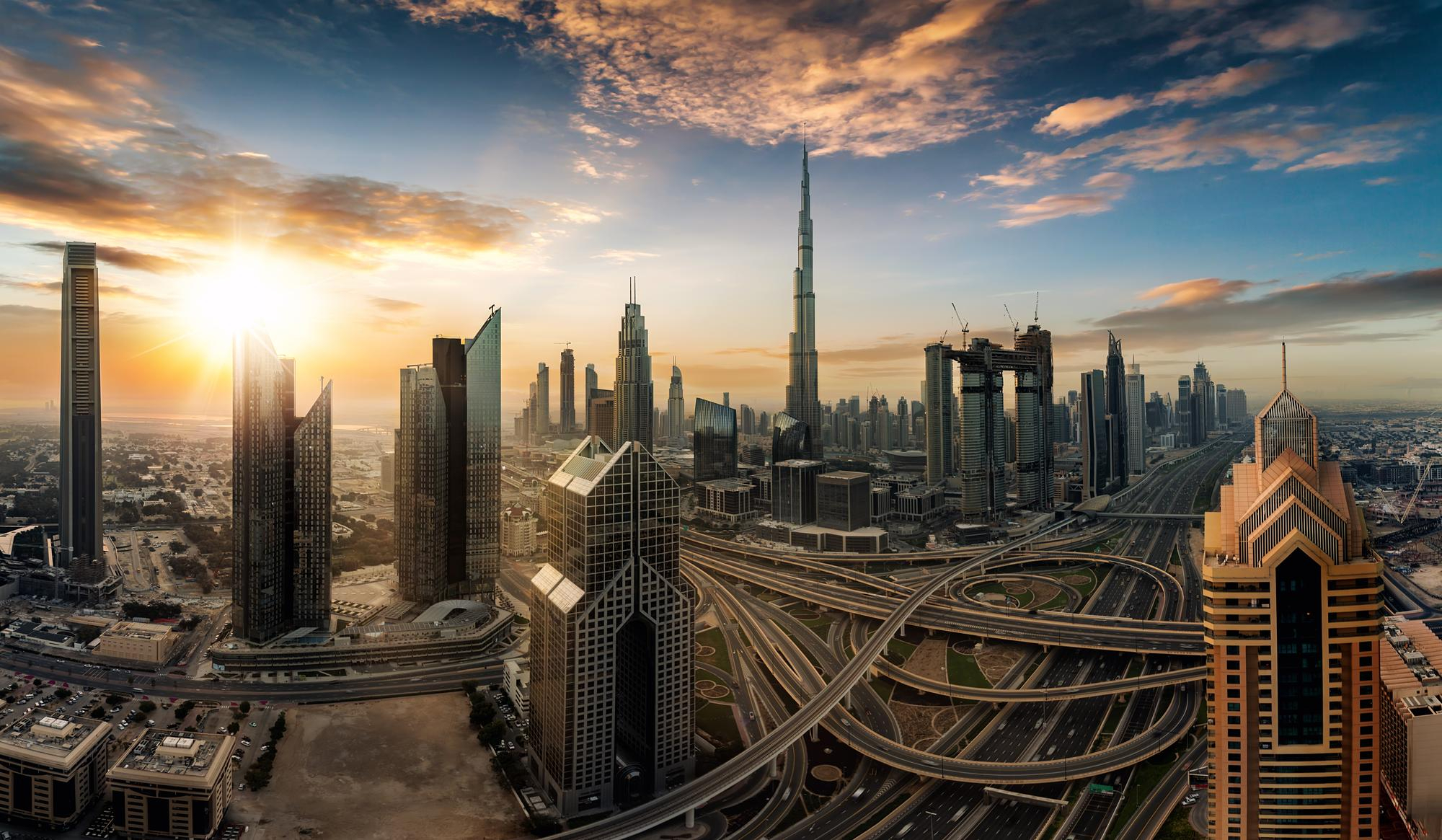
Dubai’s transformation continues at a pace that makes conventional urban planning look glacial. The latest wave of openings spans record-breaking towers, intimate island retreats and restaurants where artificial intelligence meets Michelin-level technique. Yet beneath the headline numbers lies something more considered: a recalibration of what modern luxury actually requires.
The city’s newest hotels range from 1,000-room vertical statements to 61-key beach sanctuaries, whilst its dining scene now includes everything from 22-seat Michelin experiences to AI-powered tasting menus. Between the extremes sits a common thread—technical excellence delivered without unnecessary theatre. This is Dubai operating at full capacity, building infrastructure that matches its reputation.
What follows is a survey of the openings, innovations and experiences defining the emirate’s current moment. Some break records, others break convention, but all contribute to a city that’s found confidence in execution rather than simply scale.
Altitude and isolation: Dubai’s accommodation spectrum
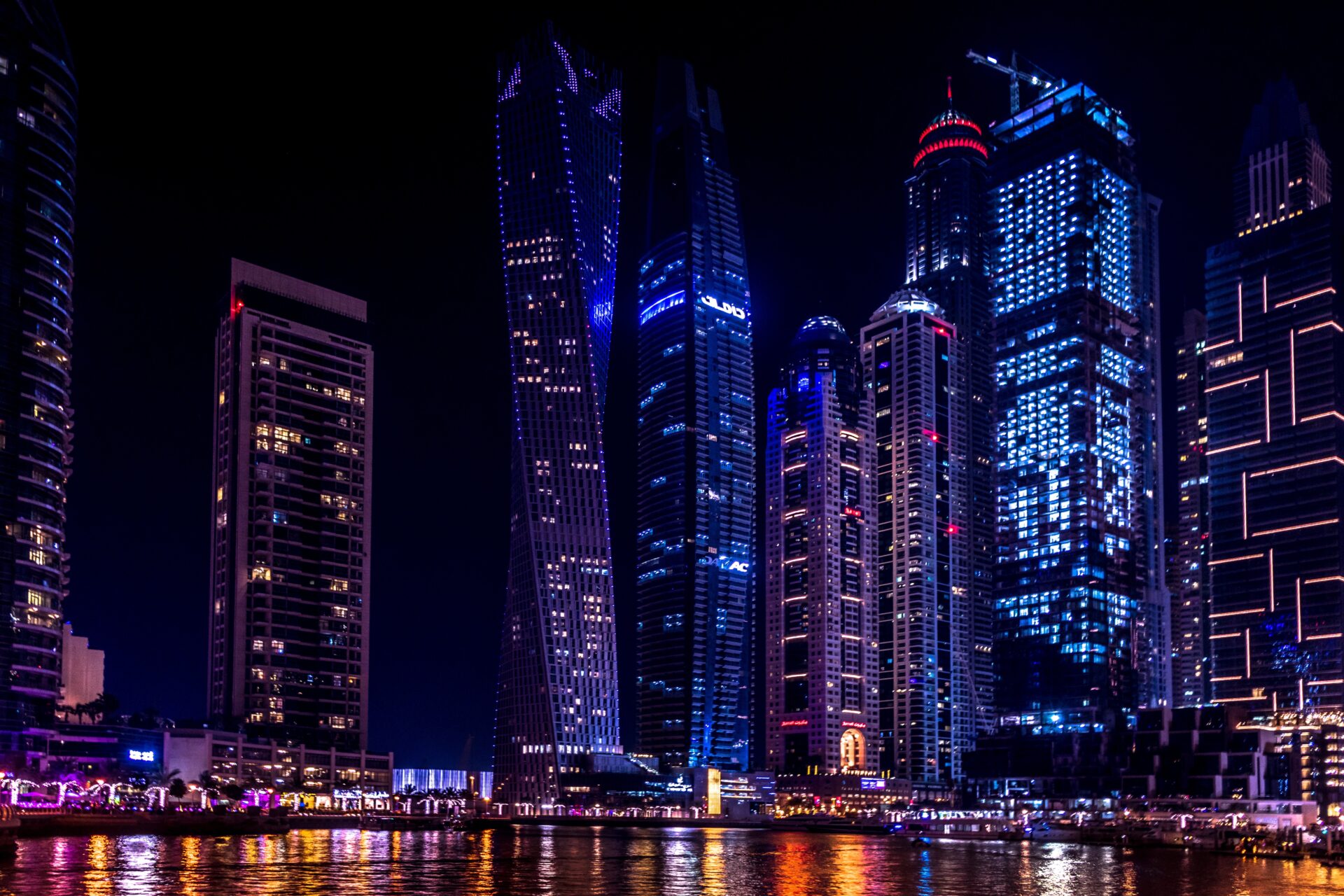
The race skyward reaches new heights with Ciel Dubai Marina, claiming the title of world’s tallest hotel at 365 metres. Opening this November under IHG’s Vignette Collection, the property houses over 1,000 rooms alongside Dubai’s highest infinity pool and a 360-degree observation deck. The numbers alone justify attention, but the real achievement lies in how the design team has translated extreme verticality into functional luxury rather than pure novelty.
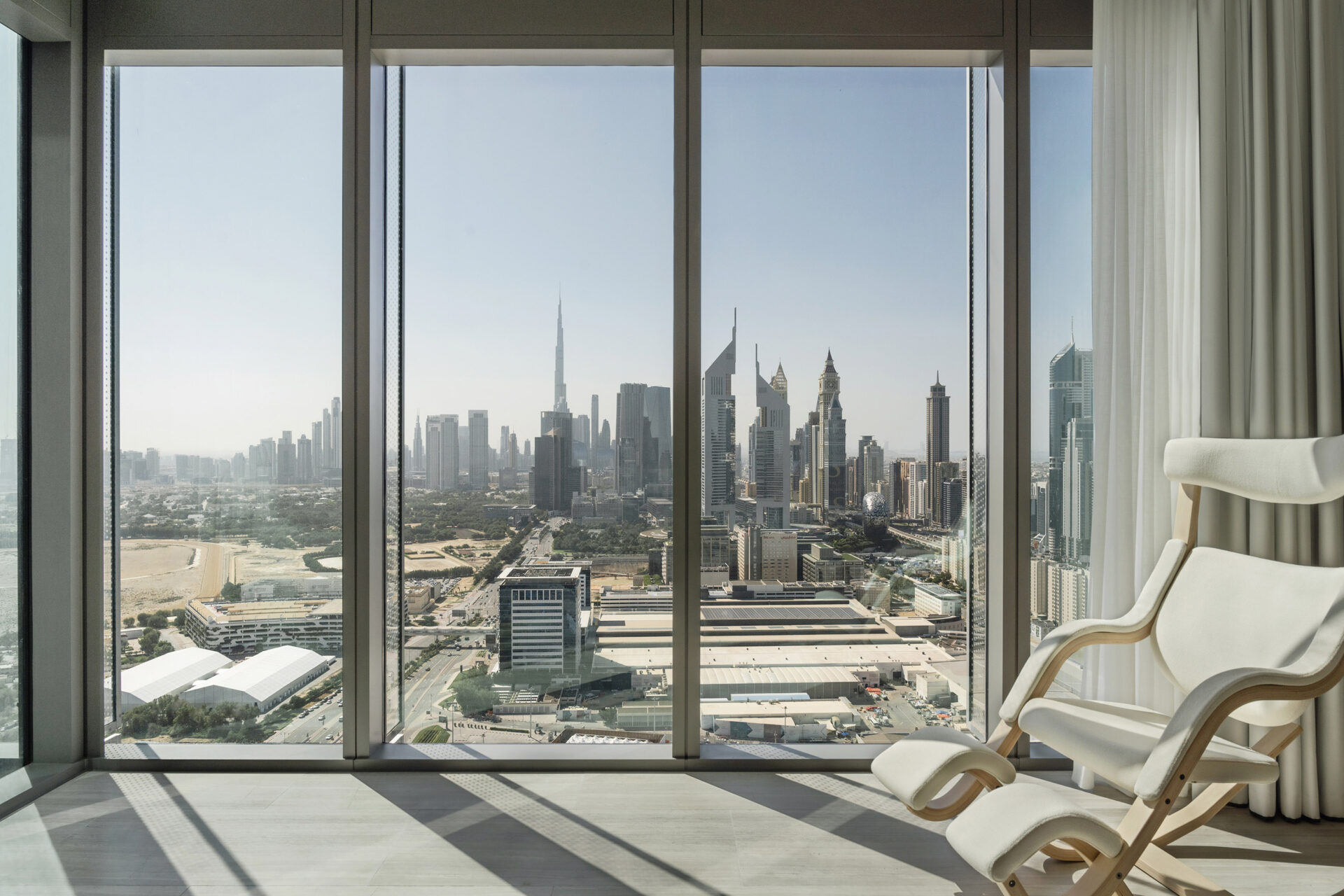
Mandarin Oriental’s second Dubai property occupies the Wasl Tower on Sheikh Zayed Road, where 302 metres of structure is wrapped in the region’s tallest ceramic façade. The technical complexity of that exterior—engineering as much as aesthetics—creates a visual anchor along the city’s arterial highway. Inside, 259 rooms and suites join 224 residences, a rooftop helipad and a two-floor spa that prioritises sanctuary over spectacle.
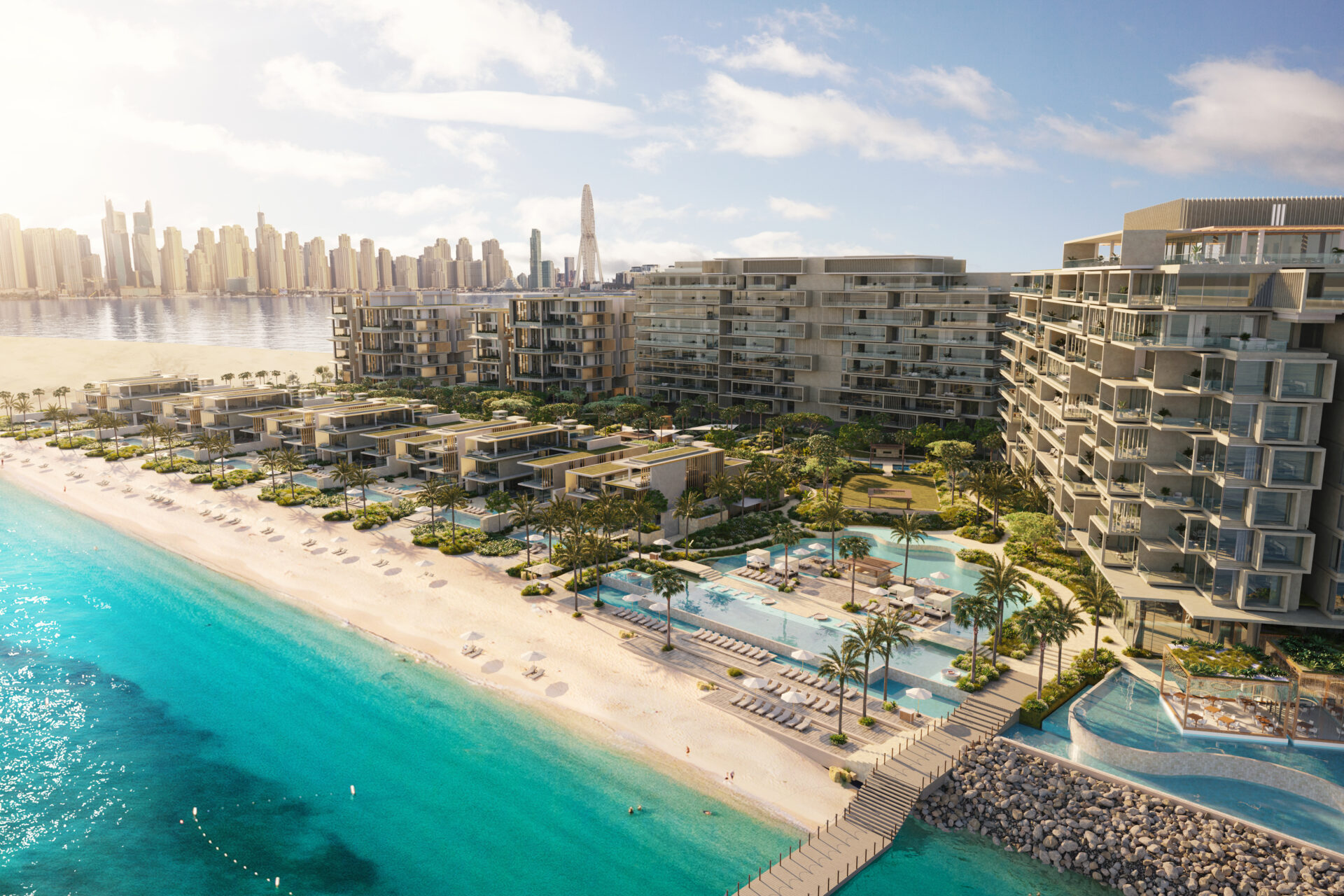
Palm Jumeirah’s West Crescent takes a different approach entirely. Six Senses arrives in 2026 with just 61 rooms and 162 branded residences, set along private beachfront where the emphasis shifts from height to horizontal seclusion. Multiple dining venues, a signature spa and social club maintain the infrastructure expected at this level, whilst the intimate room count ensures genuine exclusivity rather than marketing rhetoric.
Meliá Desert Palm adds six new Al Waha villas to its polo field setting, twenty minutes from Downtown Dubai. Private pools, courtyard gardens and aromatherapy amenities create a desert counterpoint to the coastal and vertical properties, proving that isolation doesn’t require an island postcode. Each villa functions as a self-contained retreat, where the only interruption comes from the occasional polo match visible from the terrace.
For those who do want an island, ZUHHA Island by Zaya opens this December within The World Islands archipelago. Accessible exclusively by boat, the development’s 100 villas represent Dubai’s growing appetite for genuine privacy. The location removes guests from the city’s grid entirely, transforming what could have been a gimmick into a legitimate escape route.
Culinary evolution: From Michelin precision to algorithmic pairings
Dubai’s restaurant openings demonstrate range beyond simply importing international names. At Al Wasl 51, the Orfali brothers expand their Michelin-recognised portfolio with Three Bros, a 22-seat space that abandons traditional course structure. Dishes arrive as they’re ready rather than in prescribed sequence, creating a grazing experience that maintains technical precision without formal constraints. The format works because the cooking justifies the informality.
Grégoire Berger, formerly behind Ossiano’s underwater dining room, surfaces with Kraken, a modern seafood concept that channels Dubai’s coastal position through French technique. The menu draws from local waters whilst the execution demonstrates why Berger’s name carries weight in a city saturated with celebrity chef outposts.
CARBONE brings unmistakable New York energy to Atlantis The Royal, complete with tuxedo-clad captains and red-sauce classics that taste exactly as indulgent as they should. The dining room hums with golden-age glamour, transporting guests to a version of Italian-American dining that never quite existed but feels entirely authentic nonetheless.
Ciel Dubai Marina’s rooftop welcomes Tattu’s international debut, pairing modern Chinese cuisine with Marina views from 365 metres up. The altitude becomes part of the experience rather than a distraction from it, whilst Nobu Matsuhisa adds a third Dubai location at One Za’abeel, cementing his local presence whilst demonstrating the city’s continued draw for established culinary architects.
Then there’s Woohoo at Kempinski The Boulevard, where an algorithm named Chef Aiman analyses ingredients by texture, acidity and umami before suggesting pairings that human chefs refine and execute. The concept walks a fine line between gimmick and genuine innovation, but early reports suggest the AI-human collaboration produces combinations that work precisely because they ignore convention.
Traditional approaches haven’t been abandoned. Within the Etihad Museum, chef Sahar Parham Al Awadhi’s Abra Restaurant reimagines Emirati classics through contemporary technique, preserving heritage whilst introducing it to diners who might otherwise overlook local cuisine. At 25 Jump Street in One Central, Dubai’s first licensed pedestrian street, a dozen venues from Em Sherif Deli to Yubi Handroll Bar create a curated food hall that encourages grazing across global cuisines.
Alserkal Avenue’s The Growhouse takes farm-to-table literally, operating an indoor farm whose harvest feeds the ground-floor café. The process unfolds in real time, offering visible proof of Dubai’s evolving relationship with sustainability and local sourcing.
Beyond accommodation and restaurants
Casablanca Beach Club emerges from a collaboration between Atlantis, The Palm and Ounass, combining designer daybeds with seafood towers and a luxury retail pop-up. The concept merges beach club, restaurant and boutique into a single beachfront operation that works because each element enhances rather than dilutes the others.
Dubai Festival City Mall hosts The Messi Experience until December, guiding visitors through nine interactive zones charting the footballer’s trajectory from Rosario to World Cup victory. Part museum, part theme park, the exhibition demonstrates how sports tourism can elevate beyond memorabilia into genuine storytelling.
Heritage Express trolley tours launch from Al Fahidi Historical Neighbourhood, led by Emirati cultural presenters whose personal narratives bring the city’s evolution into focus. Tours conclude with traditional Emirati meals served within SMCCU’s wind-tower house, creating a digestible bridge between Dubai’s trading post origins and its current incarnation.
The Dubai Fountain returns this October following a five-month technical upgrade, emerging with enhanced lighting systems and synchronised choreography that transform the city’s most recognised water show into something that rewards repeat viewing. Sometimes the best innovation simply means refining what already works rather than replacing it entirely.