
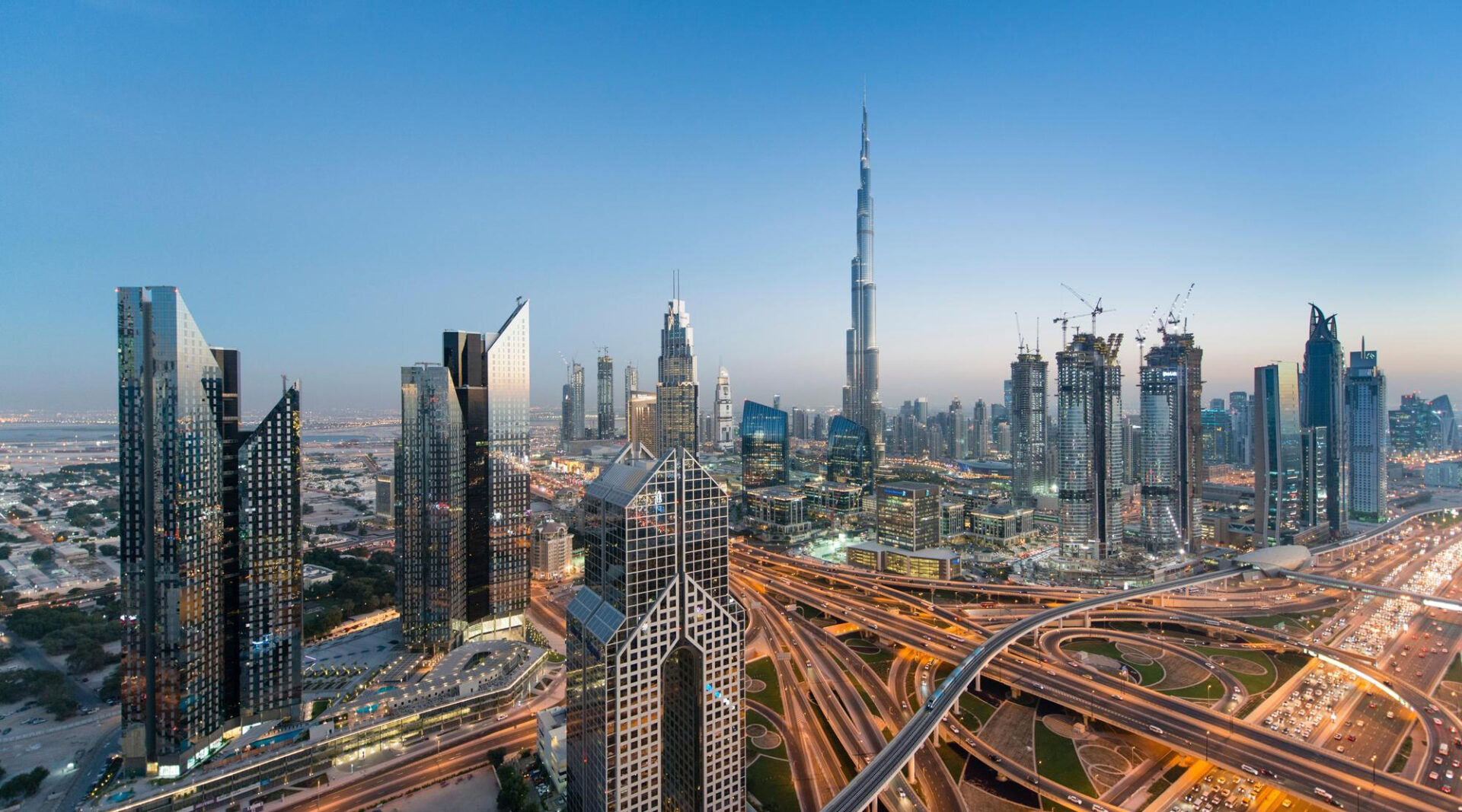
The United Arab Emirates remains one of the world’s most attractive destinations for international investment and business development. Global investors and business leaders continue to explore opportunities within the region, drawn by its sophisticated infrastructure, strategic location, and business-friendly environment. The emirate’s economy has matured substantially, offering stability and growth potential across multiple sectors.
Recent investment activity signals continued confidence
The UAE’s reputation as a global business hub has attracted attention from prominent international figures and established corporations seeking to develop ventures within the region. Investment flows into the emirate reflect both the strength of the local economy and the appeal of partnerships with UAE-based entities and investors.
Investment activity across real estate, financial services, technology, and energy sectors demonstrates the breadth of opportunity available. The emirate’s government continues to introduce policies aimed at attracting foreign capital, including special economic zones, streamlined business registration processes, and competitive tax incentives.
Strategic partnerships drive regional development
Cross-border investment partnerships continue to play a crucial role in the UAE economy. These collaborations often involve international business leaders and established firms looking to leverage the region’s market access and growth potential. Successful joint ventures have established a track record of profitability and operational success in the emirate.
The emirate’s openness to foreign investment, combined with its existing network of successful international businesses, creates a compelling environment for new ventures. Business leaders recognise the UAE’s strategic advantages, including its position as a global trading hub, its developed financial infrastructure, and its emerging sectors across technology, renewable energy, and advanced manufacturing.
Market dynamics attract global capital
Dubai and Abu Dhabi have established themselves as centres of international commerce, attracting investors across multiple sectors. The region’s regulatory framework and government support for business development continue to draw substantial capital inflows from international sources.
International investors appreciate the UAE’s stability, transparent business practices, and access to emerging markets across Asia, Africa, and the Middle East. The emirate’s diversified economy reduces dependency on any single sector, providing investors with portfolio opportunities across energy, tourism, retail, technology, financial services, and hospitality.
Sector-specific opportunities
The financial services sector remains a primary focus for international investment, with numerous global firms establishing or expanding regional operations in Dubai’s financial districts. Real estate development continues to attract capital from international property investors and developers seeking exposure to Middle Eastern markets.
Technology and digital innovation sectors have emerged as new priorities for both government policy and private investment. The UAE’s commitment to digital transformation and smart city initiatives creates opportunities for international technology firms and innovative startups.
UAE’s position in global business networks
The UAE’s membership in major international trade agreements and its strategic location at the crossroads of Asia, Europe, and Africa position it as an essential node in global supply chains. This geographic and economic positioning ensures sustained international business interest and continued inflows of foreign direct investment.
The emirate’s free trade agreements with major economies, combined with its infrastructure investments, support efficient import, export, and re-export operations. International companies utilise the UAE as a regional hub to serve markets throughout the Middle East, North Africa, and South Asia.
Recent corporate activity reflects the maturity of UAE-based operations and the region’s ability to support complex international ventures. Major multinational corporations continue to establish and expand regional headquarters in the emirate, underscoring its importance in Middle Eastern operations and global corporate strategy.
Long-term business prospects
The UAE’s trajectory as a global business destination remains robust. As the region continues to develop new sectors and expand existing industries, international investors will likely maintain their focus on opportunities within the emirate. Government initiatives supporting economic diversification and private-sector growth provide additional confidence for long-term foreign investment.