Dubai has long been a city of ambition, but its identity as a hub for homegrown design is still taking shape. Yla, a furniture atelier founded by Benoît Rondard and produced entirely in Jebel Ali, represents a compelling chapter in that story. Combining precision engineering with sculptural aesthetics, the brand is drawing attention from architects, interior designers, and hospitality professionals across the Gulf and beyond.
Rondard, who serves simultaneously as Founder of Yla and General Manager of Eurotech — a metalwork firm also based in Jebel Ali — has spent more than 25 years building his career in the UAE. That depth of local knowledge informs every decision the brand makes, from material sourcing to client engagement. “Building Yla from Dubai is both a responsibility and an opportunity,” he notes. “The UAE has created an environment where entrepreneurship, design, and industry meet in a very direct way.”
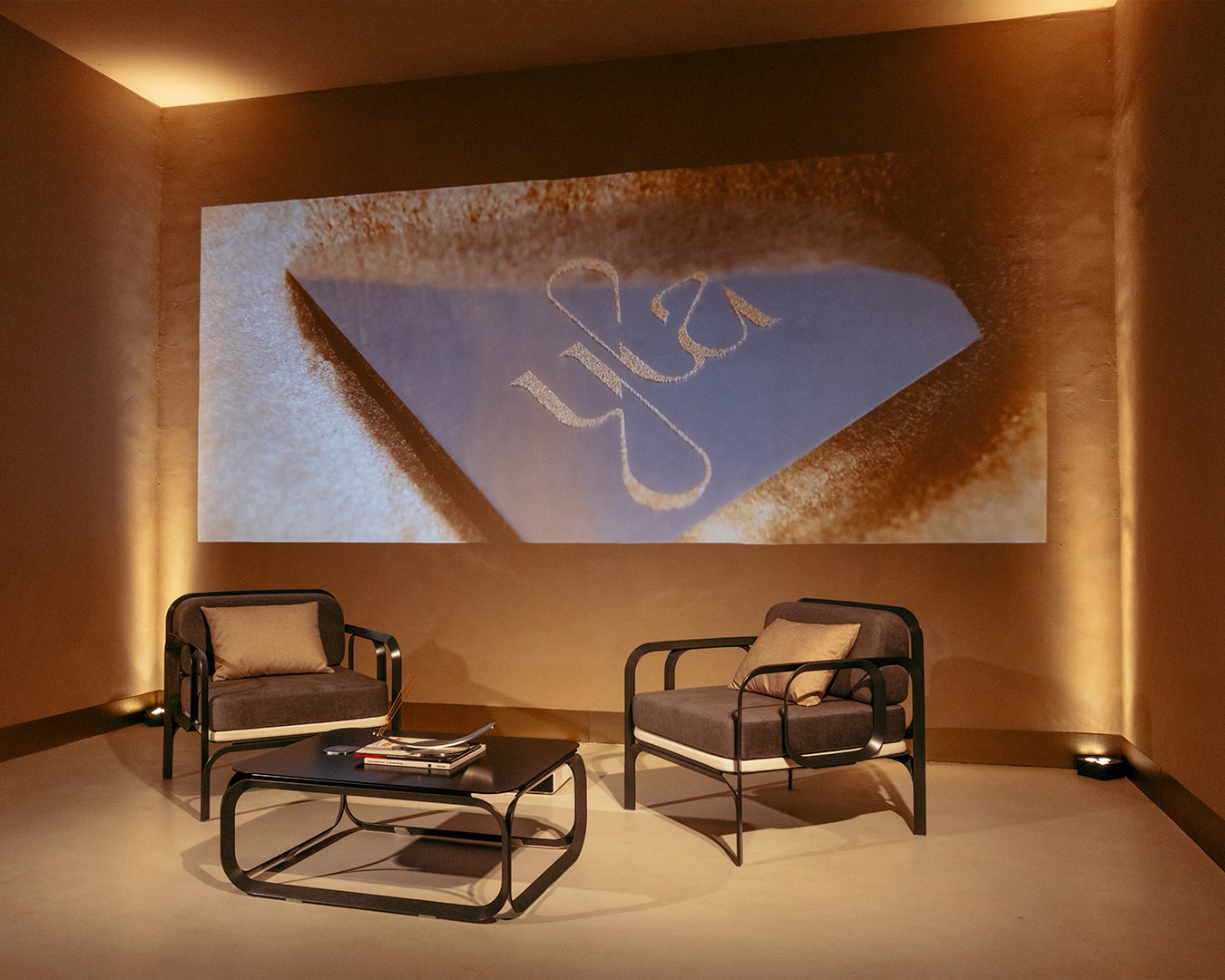
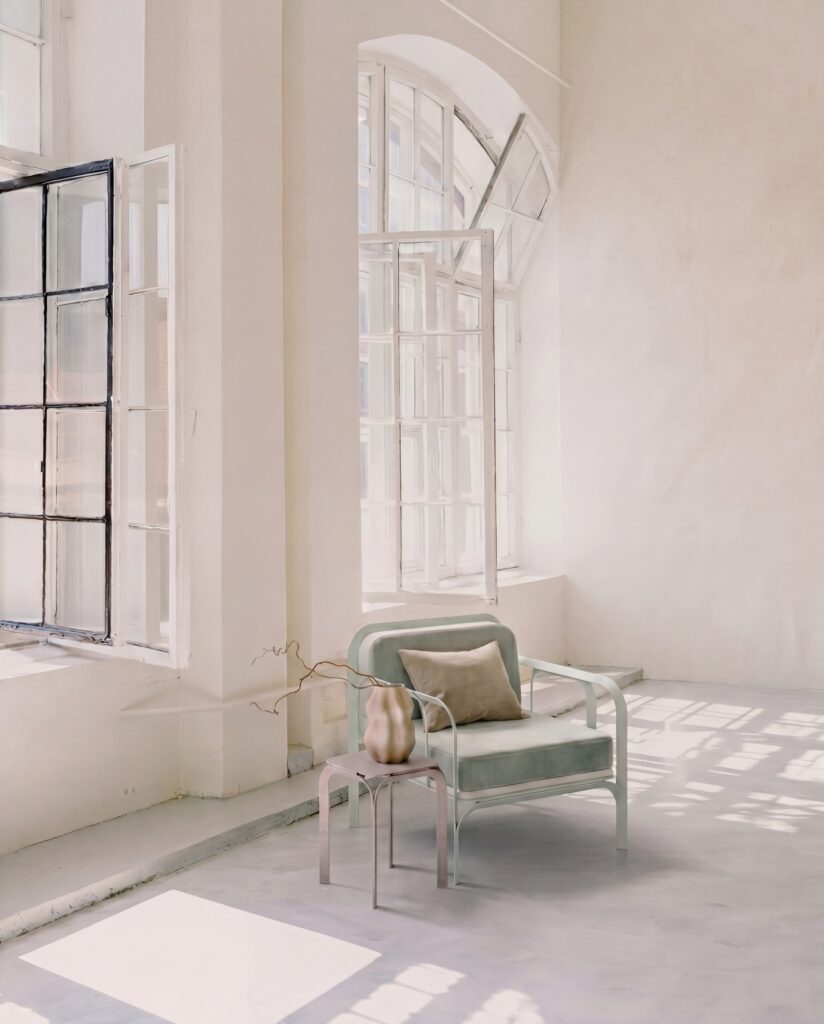
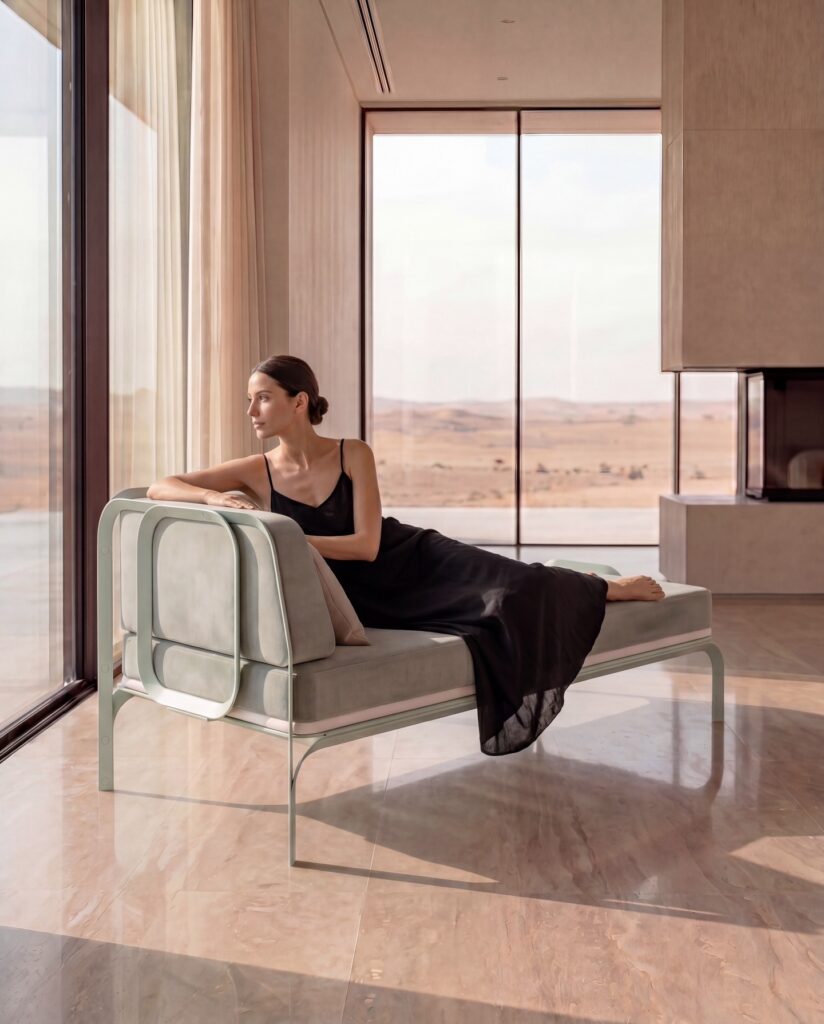
Launched in Summer 2025, Yla entered the market with the Audace Collection, a debut range of seating, tables, and bookcases developed in collaboration with French designer Remi Damilleville. The collection challenges assumptions about metal as a domestic material, reimagining stainless steel and aluminium through forms that emphasise softness, curve, and emotional resonance.
A local production model built for precision
At the core of Yla’s proposition is a manufacturing approach that keeps design, engineering, and production tightly integrated. Every piece in the Audace Collection is produced at the Jebel Ali facility, enabling a level of iteration and quality control that would be difficult to achieve through offshore manufacturing partnerships.
Rondard is clear about why this matters: “This proximity between design, engineering, and production allows us to experiment, refine, and maintain a very high level of craftsmanship.” The model also reflects a broader industrial philosophy, one that values the relationship between maker and material as central to the finished object. As global supply chains continue to face disruption, the case for local production grows stronger.
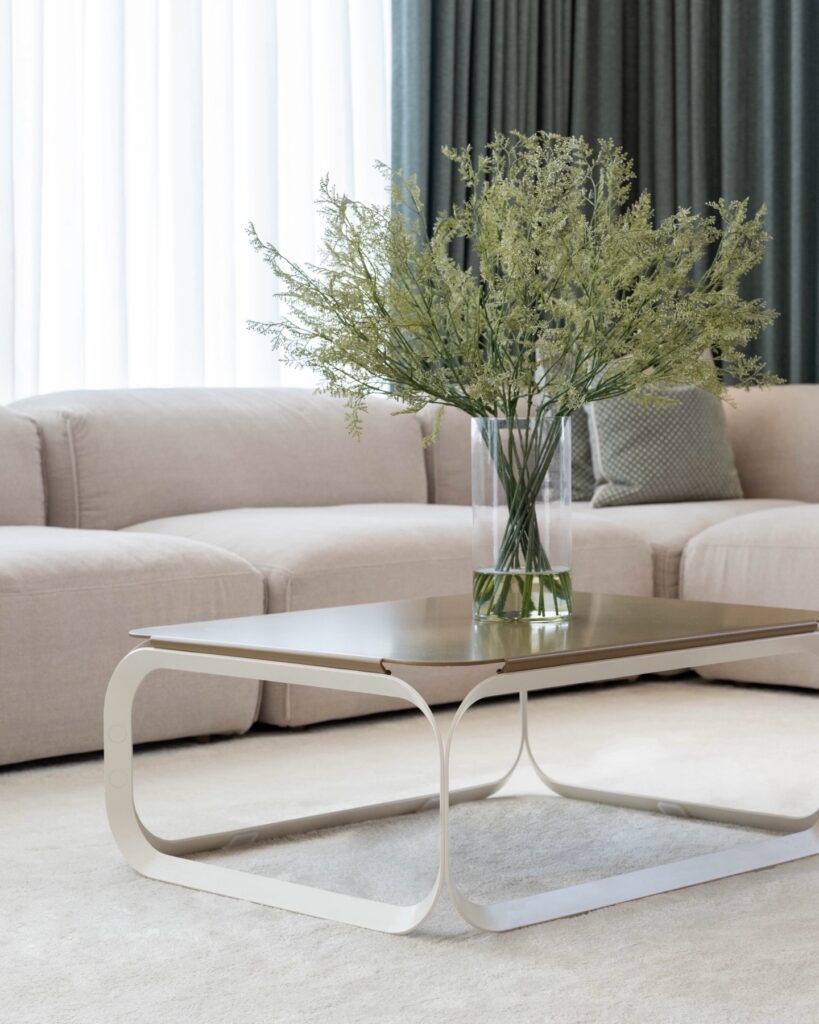
The choice of metal as Yla’s primary material is deliberate and distinctive. Stainless steel and aluminium are materials more commonly associated with commercial or industrial contexts, yet the Audace Collection demonstrates their potential in residential and hospitality interiors. The result is furniture that carries weight, in both a physical and cultural sense.
Dubai as a launchpad for global ambition
For Rondard, Dubai is not merely a convenient base of operations. It is a city uniquely configured for the kind of brand-building Yla requires. “Few cities in the world allow a founder to design, produce, and present a brand to a global audience from the same place,” he observes. The concentration of international architects, designers, investors, and hospitality developers passing through the city creates an unusually rich ecosystem for a brand at Yla’s stage of growth.
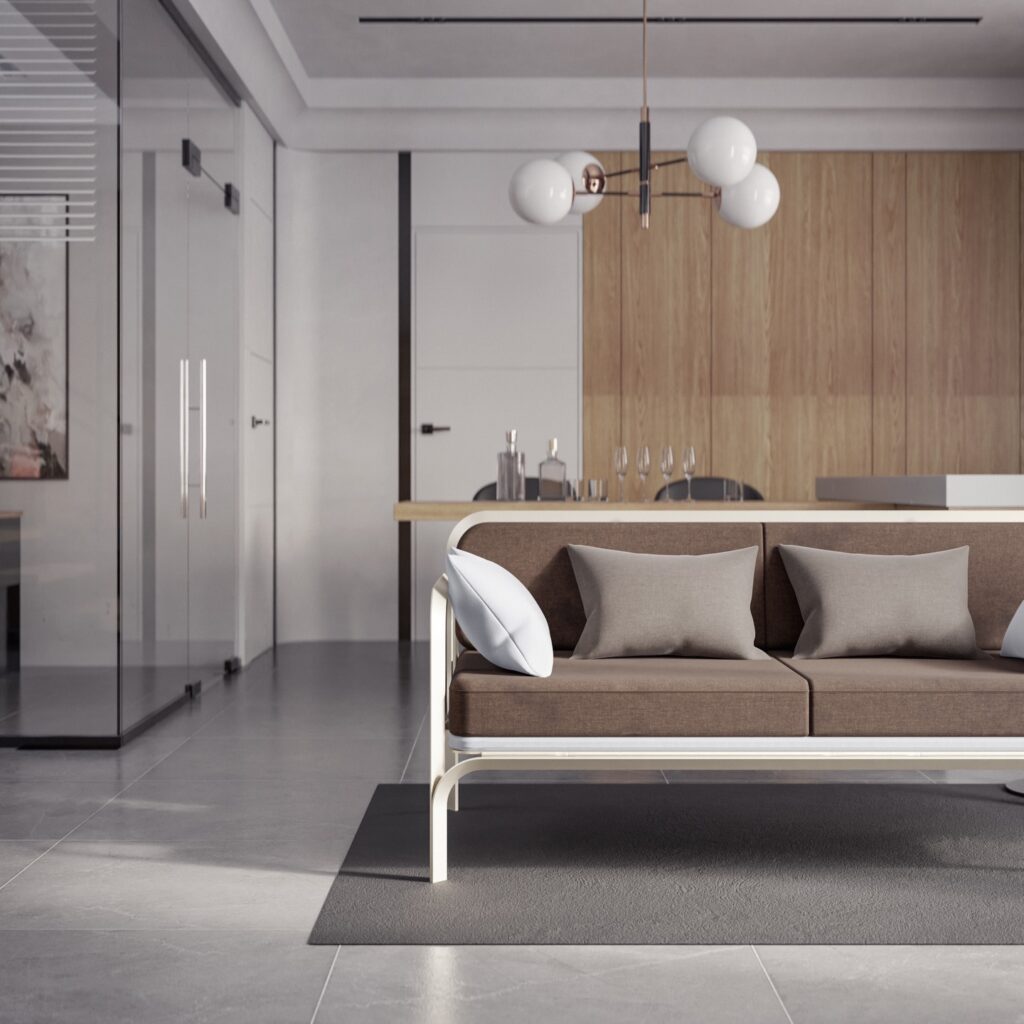
That international dimension is reflected in Yla’s collaborations. The partnership with Remi Damilleville brings French design sensibility into conversation with Gulf manufacturing capabilities, producing something neither party could have achieved independently. It is a model that speaks directly to the UAE’s broader positioning as a place where global ideas take local form.
The brand has also benefited from the UAE government’s sustained investment in the creative economy. Initiatives supporting design, architecture, and cultural production have created genuine infrastructure for brands like Yla to develop their market presence. “The country genuinely supports new initiatives and creative industries,” Rondard says. “It gives founders the possibility to transform an idea into a tangible project.”
The Audace Collection and what comes next
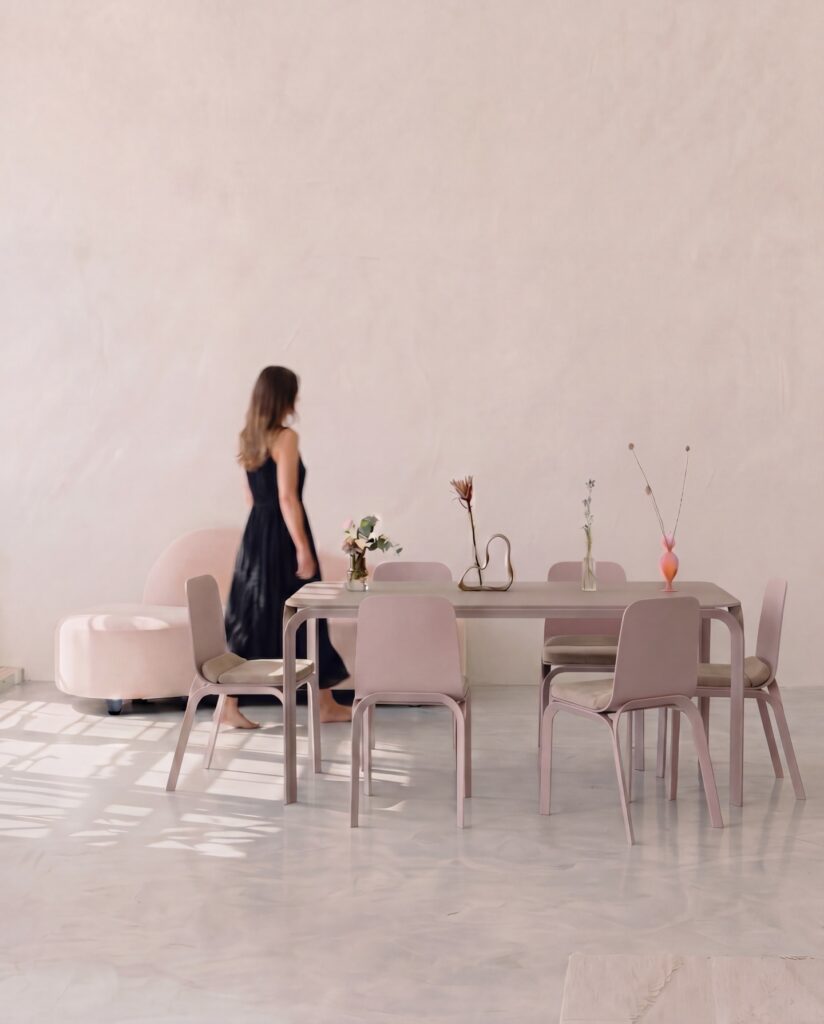
The Audace Collection comprises seating, tables, and bookcases that draw on natural forms and contemporary living patterns. Nature-inspired colourways planned for Spring 2026 will extend the collection’s palette, while seasonal evolutions are expected to keep the range fresh for a client base that values both innovation and consistency.
For architects and interior designers specifying pieces for high-end residential or hospitality projects, Yla offers something relatively rare in the regional market: locally produced furniture with a credible design narrative and the manufacturing pedigree to support it. The Jebel Ali origin story is not incidental but central to what the brand represents.
Rondard is philosophical about the longer arc of Yla’s development. “Design should evolve. It grows, it breathes, and it transforms.” That openness to change sits alongside a clear commitment to the brand’s founding principles: precision, materiality, and a genuine connection to the place where the work is made.
Homegrown brands and the Middle East’s creative future
Yla’s emergence sits within a wider pattern. Across the Gulf, designers, architects, and creative entrepreneurs are building brands with the confidence to speak to both regional and international audiences. Rondard sees this as a defining trend for the decade ahead. “As the region continues to invest in culture, design, and architecture, locally developed brands can bring perspectives rooted in this region while remaining globally relevant.”
The next wave of Middle Eastern design brands will bring their own perspectives, production capabilities, and cultural references to a global conversation — and the infrastructure that Dubai in particular has built makes that ambition achievable. For Yla, the journey is still at an early stage, but the combination of local manufacturing depth, international design partnerships, and a founder with deep roots in the UAE positions the brand well for the years ahead.