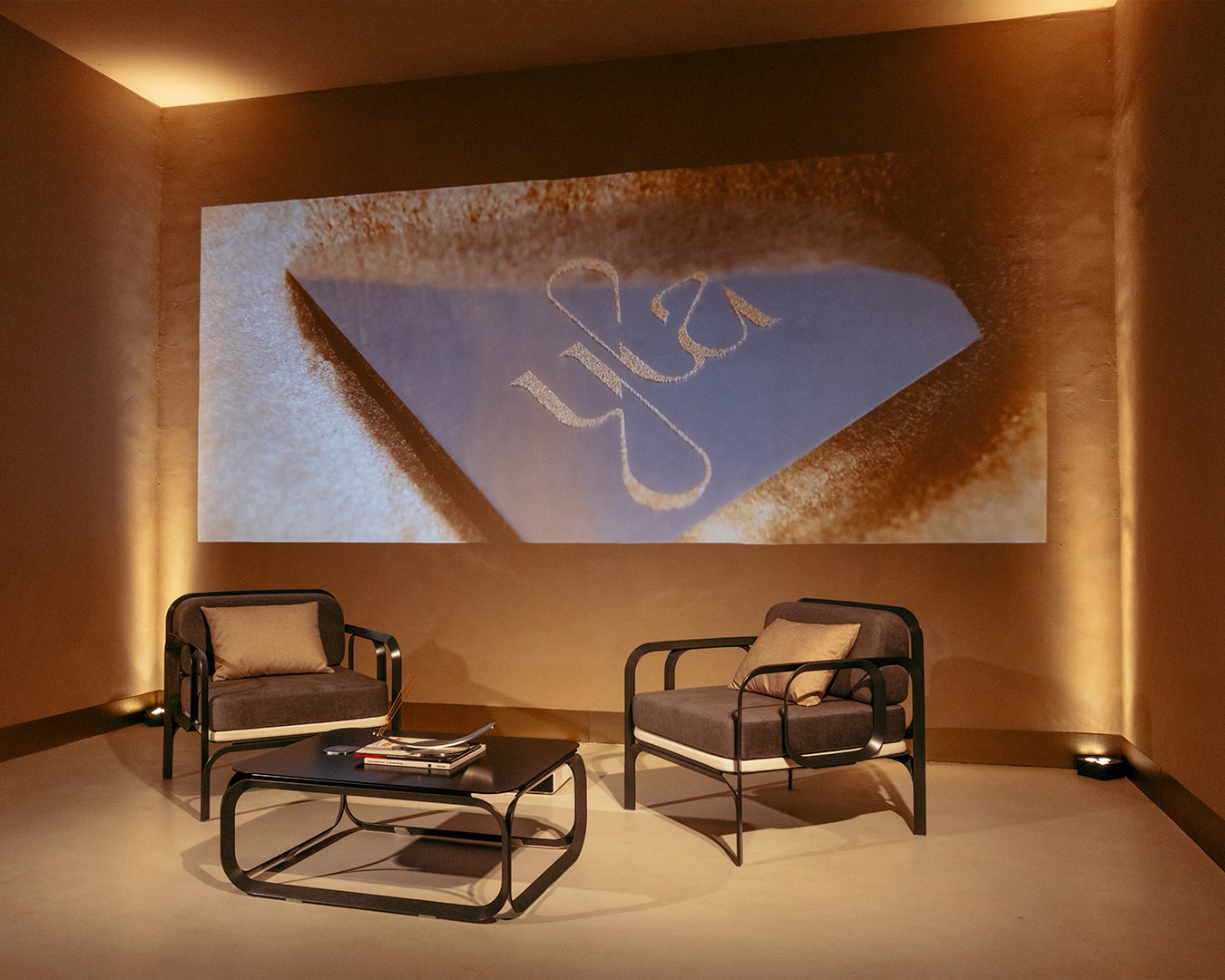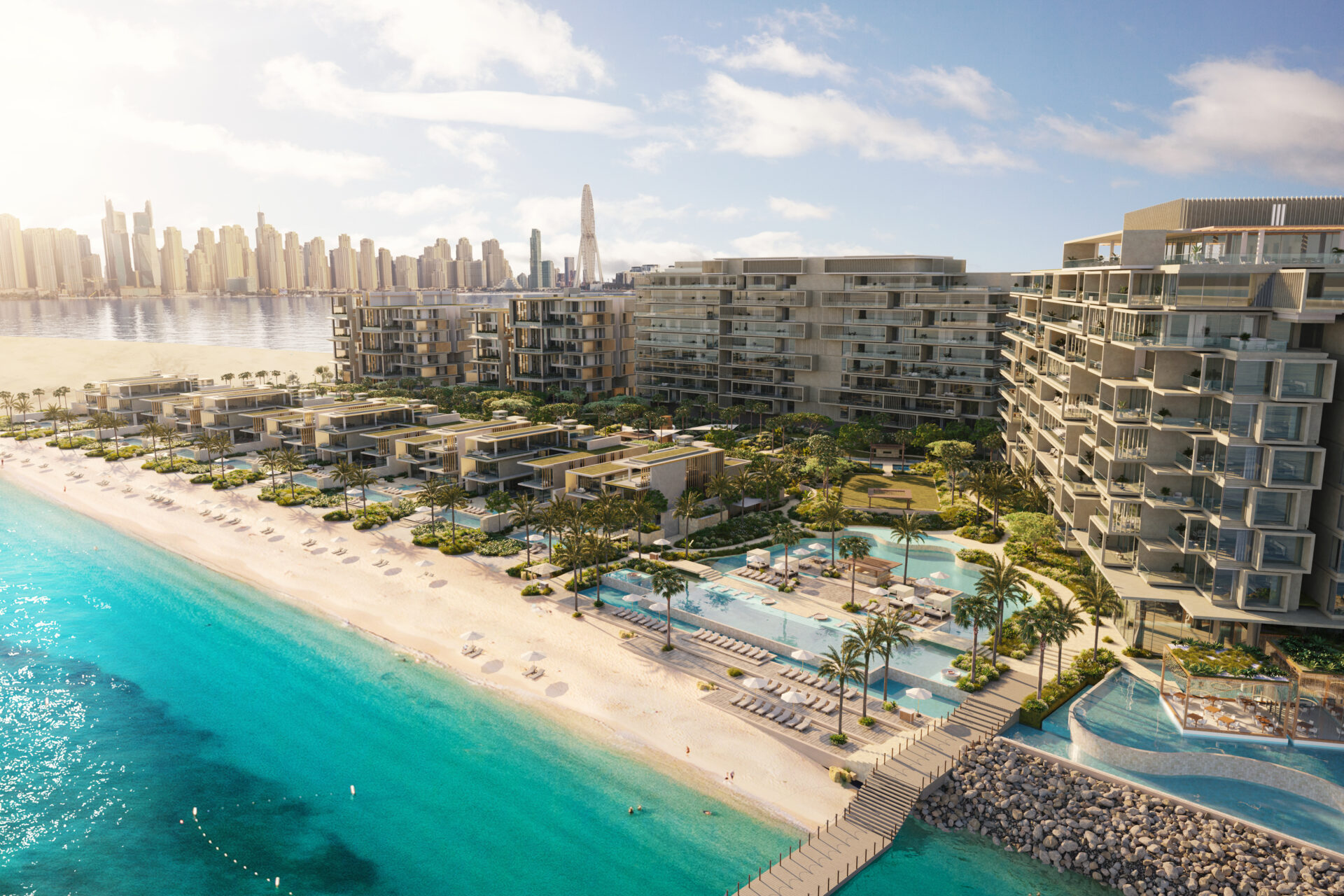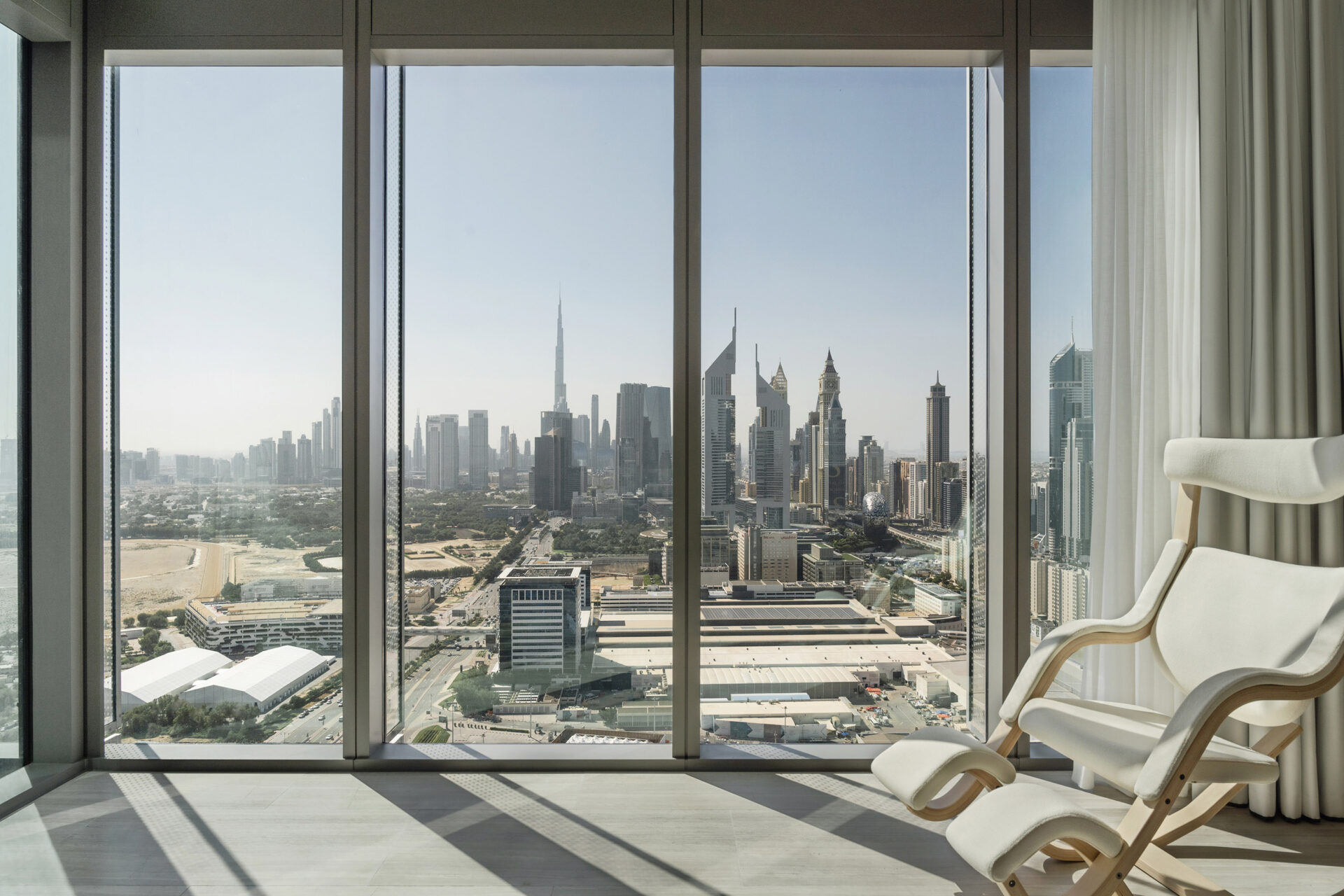
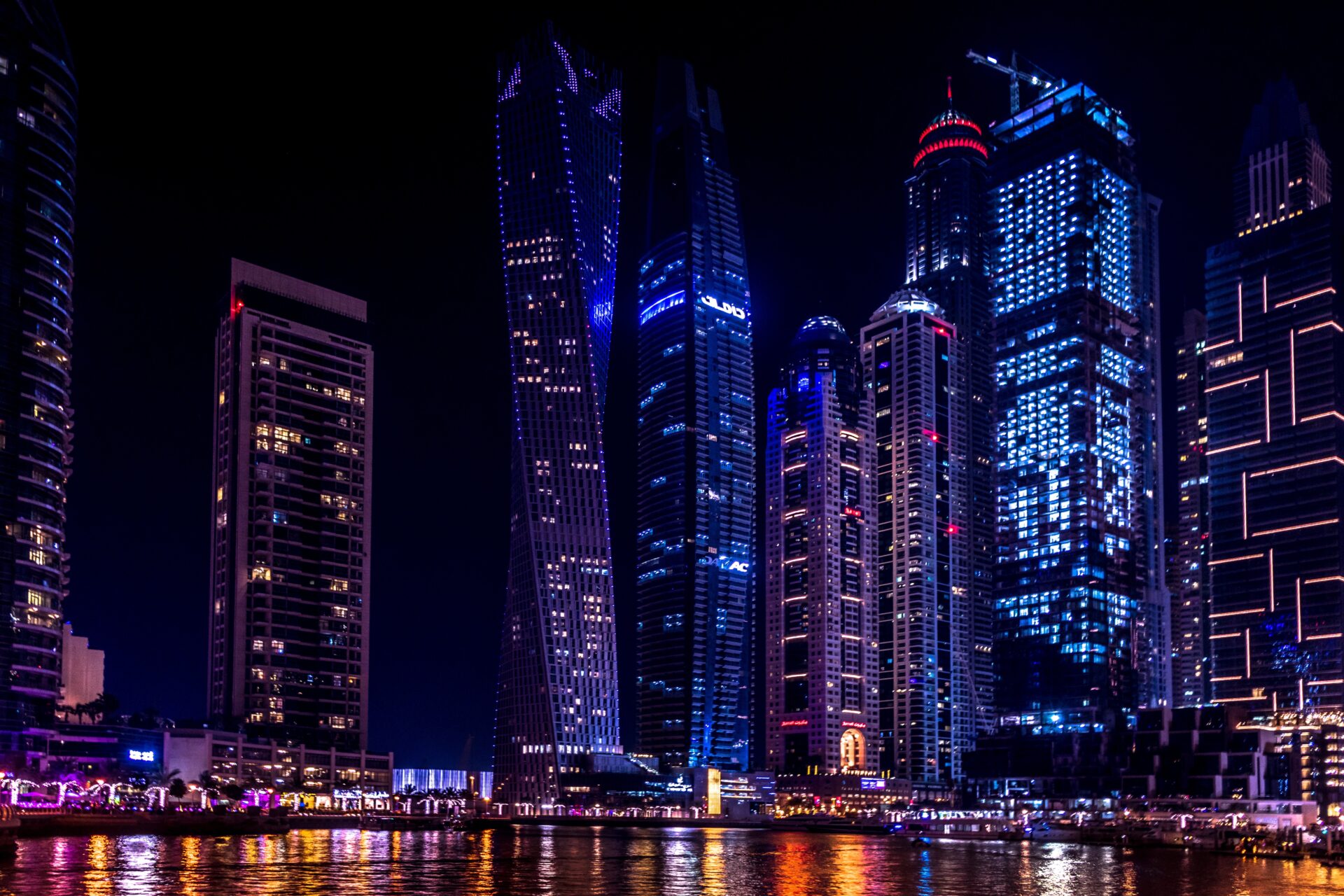
The most telling shift is in how Dubai now approaches wellness and culture. Properties like SIRO One Za’abeel treat recovery with the seriousness of a sports science facility, while Gerbou has transformed a restored 1987 building into a space where Emirati culinary traditions are presented with Michelin-calibre technique. These are not novelty projects, they reflect a broader maturation in what the city understands luxury to mean.
The emirate’s geographic advantages have always been obvious: a time zone that bridges East and West, infrastructure that removes friction at every turn, and a coastline that rewards lingering. What has changed is the substance behind the spectacle. Dubai’s best establishments now offer experiences that would be compelling anywhere in the world, the fact that they happen to be here is almost incidental.
Where to stay
Dubai’s hotel landscape has never been more varied or more interesting. The properties leading the field right now share one quality: a clear point of view. Whether that is an architectural icon that has spent 25 years perfecting its service, a wellness-first tower that replaces the minibar with protein supplements, or a marina property that weaves cultural storytelling through every room, each makes a compelling case for itself on its own terms.
W Dubai – Mina Seyahi
Best for: Marina access, distinctive design, and 900 metres of private beach
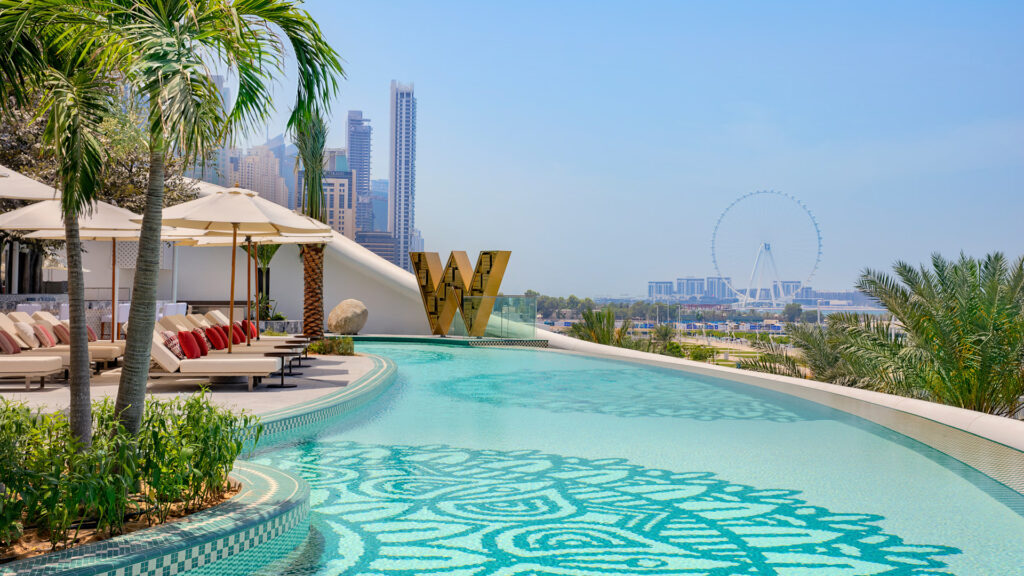
The W Dubai – Mina Seyahi occupies an enviable position along the Arabian Gulf, with 318 sea-facing rooms and suites arranged across a property that takes its design cues from an unexpected source: the traditional Al-Haqqah storytelling practice of the region. The result is an interior language that feels genuinely rooted rather than decorative, with Dhow boat-inspired headboards, silk-screened wardrobes, and jewel-toned accents running throughout. Rooms range from 106 square metres to the 289-square-metre E WOW Suite on the 30th floor, all with private balconies overlooking the Marina or the Gulf.
Seven dining venues cover considerable ground, from ATTIKO, a rooftop Japanese restaurant with unobstructed 360-degree views over the city, to Ginger Moon, a bohemian beach club with an infinity pool and live entertainment that suits an unhurried afternoon equally well. The Blended Spa draws on authentic wellness practices, the water sports facilities are comprehensive, and the Whatever/Whenever concierge operates without restriction on the scope of requests it will entertain. The property holds Green Key certification, and its position along the Marina coastline puts Dubai’s major business districts and cultural neighbourhoods within straightforward reach.
SIRO One Za’abeel
Best for: Performance recovery, sleep optimisation, and serious wellness
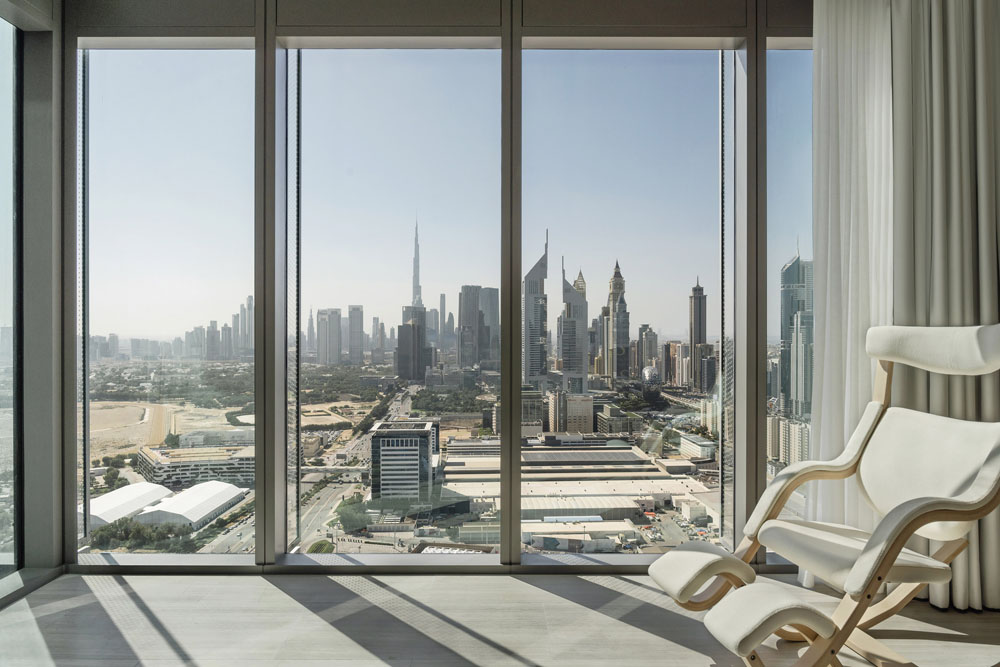
SIRO One Za’abeel is not a spa hotel with a gym attached. Occupying floors 30 to 36 of the striking One Za’abeel tower, this debut property from Kerzner International has organised itself around five disciplines, fitness, nutrition, recovery, sleep, and mindfulness, and then built the infrastructure to deliver on each of them properly. The Fitness Lab runs to 1,000 square metres and includes a 25-metre internal running track, Technogym equipment throughout, and an Experience Box studio developed in partnership with AC Milan’s professional football team.
Guest rooms are designed around the same logic: thermoregulated mattresses, recovery closets stocked with fitness equipment, and minibars that offer protein balls and kombucha rather than the usual selection. The Recovery Lab on the 31st floor operates to medical-grade standards, with electro-muscle stimulation, high-frequency INDIBA therapy, and Triple iDome sessions combining infrared, plasma, and LED light therapy. Personal training is available with elite athletes, and in-house nutritionist Heeral Shivnani oversees bespoke programmes for guests. Room service runs around the clock and every dish arrives with a full nutritional breakdown, including macros. It is a hotel that takes its own premise seriously, which is rarer than it sounds.
Burj Al Arab
Best for: Architectural grandeur and flawless service at scale
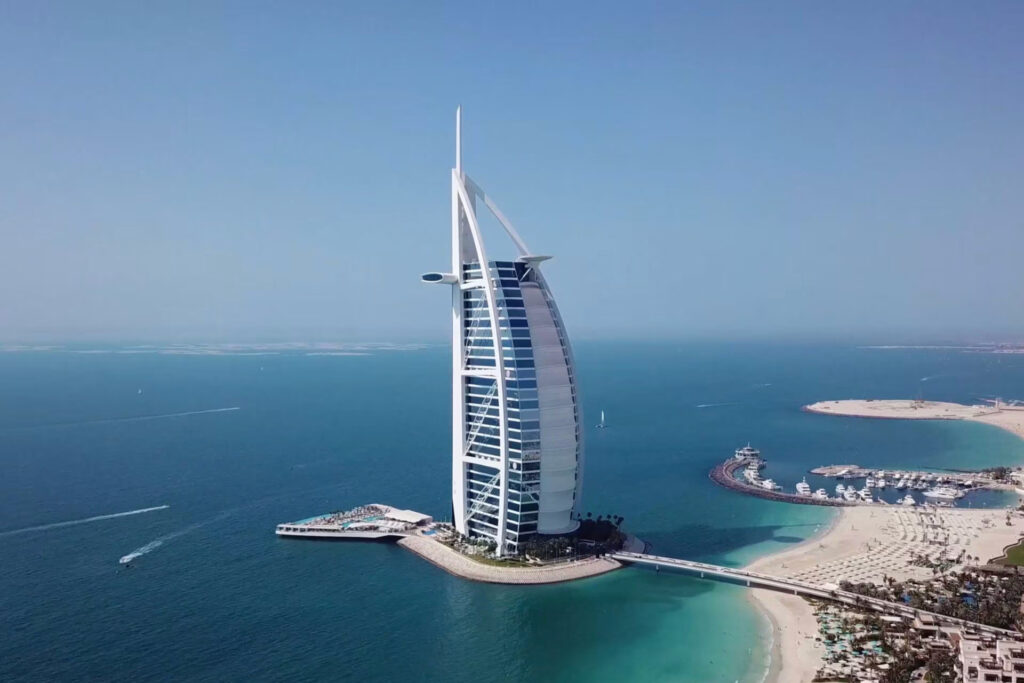
After 25 years, the Burj Al Arab has earned the right to stop explaining itself. All 202 suites are duplex configurations spanning over 1,800 square feet, each finished with marble staircases, panoramic Gulf views, and Hermès amenities that guests are encouraged to take home. The culinary programme anchors around Michelin-starred Al Muntaha and Ristorante L’Olivo at Al Mahara, where diners eat alongside floor-to-ceiling aquariums as sharks move through the water around them. The 18th-floor Talise Spa contains a Byzantine-inspired indoor infinity pool that is among the most striking wellness spaces anywhere.
What keeps the Burj Al Arab relevant after a quarter century is not its materials, it is the precision of the operation behind them. Dedicated floor butlers respond to WhatsApp requests with consistent timing, and a nightly happy hour service brings the bar experience directly into the suite, with the Gulf as the backdrop. The island setting provides genuine seclusion without sacrificing access to the city. Some hotels age into icons gradually; this one arrived as one and has simply had the good sense to keep up the standard.
Where to dine
Dubai’s restaurant scene has long been accused of prioritising theatre over substance. That criticism still applies in parts, but the city’s best tables now offer both, and a handful have dispensed with the theatre entirely in favour of cooking that holds its own on any measure. The range here is genuine: a family-run Levantine bistro earning regional recognition sits comfortably alongside a Korean steakhouse, a Peruvian institution, and a dining room that turns into a nightclub by midnight.
NAHATÉ
Best for: Fine dining that evolves into a sophisticated late-night experience
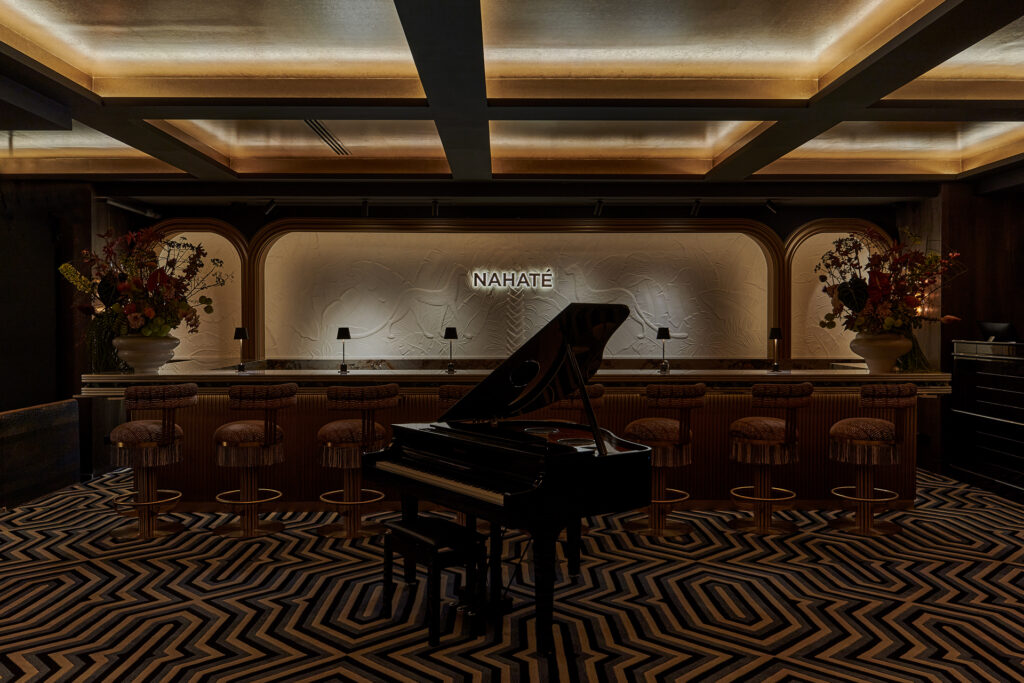
NAHATÉ operates on the third floor of DIFC’s Gate Village and occupies a category of its own. Run as a family business, the venue opens as an intimate fine dining room and transforms, over the course of an evening, into one of Dubai’s most considered late-night spaces, the pivot point being a grand piano that converts into DJ decks. The shift is gradual enough to feel natural rather than abrupt, and the crowd that arrives for dinner tends to stay.
Executive Chef Daniel Baratier and Chef Pâtissier Yazid Ichemrahen anchor the menu in what they describe as modern nomadic cuisine: dishes that pull from global culinary traditions without losing coherence. Wagyu Tataki with truffle ponzu, Australian Wagyu MB7+ beef tenderloin, and a dessert called the Scandal, gold leaf panna cotta, presented with deliberate drama, are among the signatures. The venue houses the world’s first Jacob & Co. Cigar Lounge and a Baccarat Chef’s Table set beneath a Zenith crystal chandelier, while mixologist Andrey Bolshakov contributes cocktails that take their presentation as seriously as their flavour. From Thursday to Saturday, the DJ programme is handled by names with genuine credentials. The result is an evening that does not require a second venue.
Gigi Rigolatto
Best for: Mediterranean beach dining with genuine European character
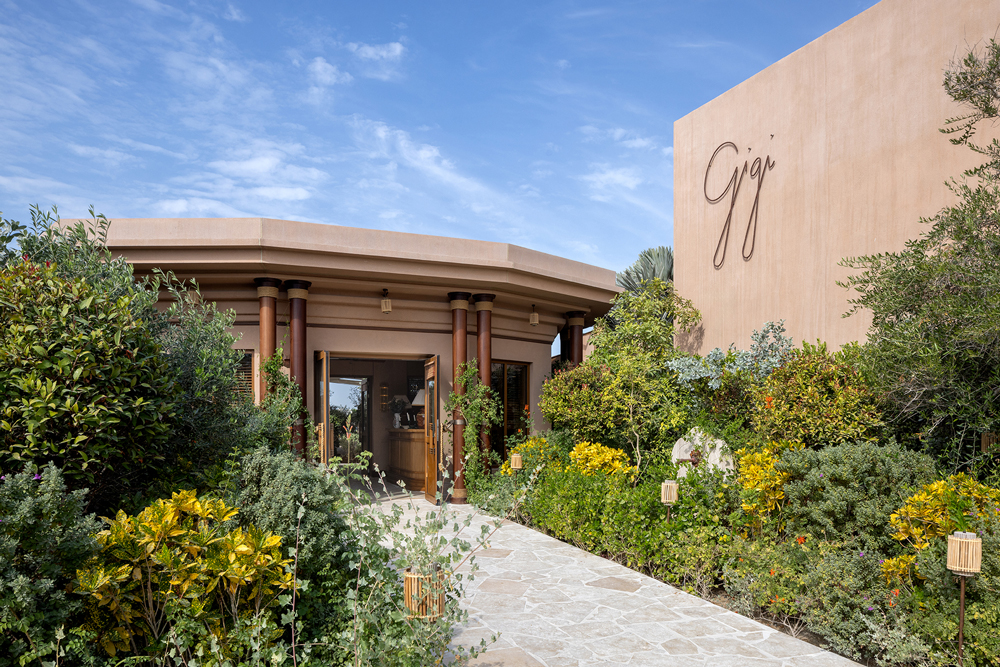
The first outpost of Gigi Rigolatto beyond France has arrived at J1 Beach, and it has brought enough of the original with it to justify the comparison. The 5,000-square-metre property was designed by French-Mexican architect Hugo Toro, who has created something closer to an urban garden than a beach club: winding wooden pathways move through bougainvillea, jasmine, and olive trees, with a sapphire pool at the centre. Four private cabanas are named after Italian islands, there is an adults-only pool area, and a kids’ club runs alongside, a balance that the St. Tropez and Paris locations have managed well and that the Dubai property maintains.
The menu is built around coastal Italian cuisine designed for sharing, with truffle-infused arancini and grilled king prawns among the dishes that demonstrate technical confidence without unnecessary complication. What separates this from Dubai’s busier beach club options is the absence of performance anxiety, the service is warm rather than choreographed, the atmosphere encourages staying rather than circulating, and the attention to detail (a curated boutique, proper changing facilities, and a host named Adonis who takes his role seriously) earns its keep quietly.
Gerbou
Best for: Emirati culinary heritage in a setting of genuine cultural depth
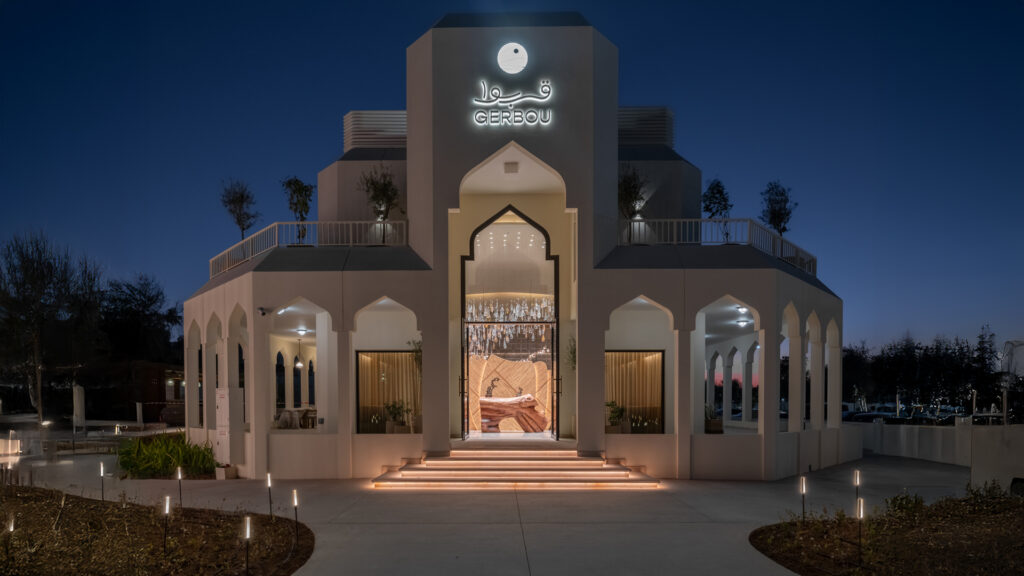
Gerbou occupies a restored 1987 building in Nad Al Sheba, and the collaboration behind it, between Tashkeel and Atelier House Hospitality, has produced something that Dubai’s restaurant scene has been missing: a serious, considered home for Emirati food culture. The name translates from Arabic as ‘welcome to our humble abode,’ which sets the tone accurately. The interior draws on local craftsmanship throughout, with furniture made from naturally fallen Ghaf wood, bronze sculptures, and a herbarium chandelier that encases dried foliage in glass. It functions simultaneously as a restaurant, an art gallery, and a cultural space.
Chef Ionel Catau brings a Michelin-starred background to a kitchen that is fundamentally about restraint and respect. The generously portioned Date Salad, built around the finest dates, fresh leaves, and pomegranate, is a statement of intent, as is the tableside Corn on Corn preparation and the Gerbou Grilled Platter, which showcases multiple proteins charcoal-grilled and seasoned with traditional Emirati flavours. Underground pit cooking and open-flame techniques give the kitchen its distinctive character, and the hospitality throughout reflects Arab cultural values applied without self-consciousness. It is the sort of place that feels important rather than fashionable, a meaningful distinction.
Smoki Moto
Best for: Premium beef and Korean charcoal technique on Palm Jumeirah’s waterfront
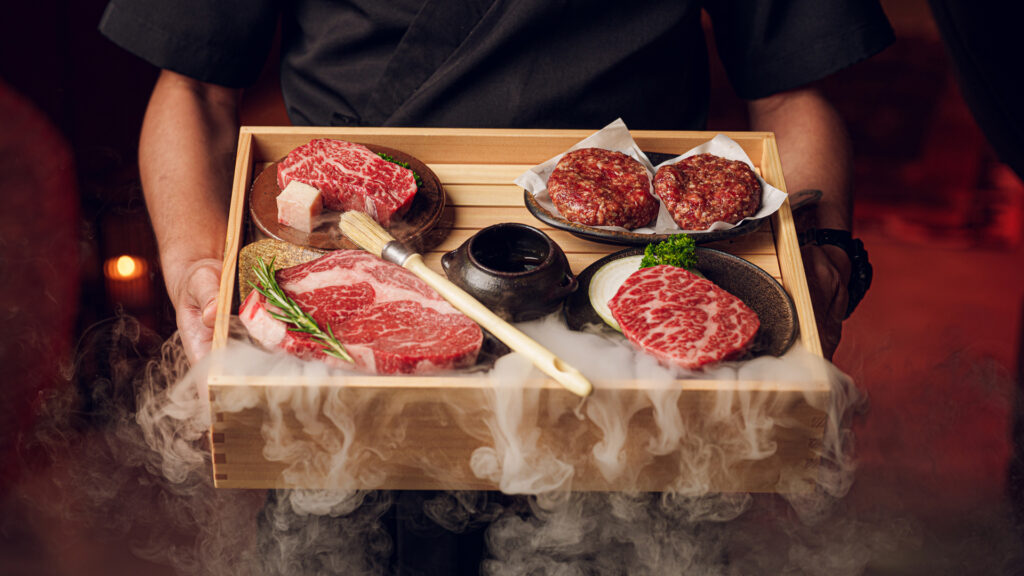
Dubai’s first Korean steakhouse has positioned itself on Palm Jumeirah’s waterfront, and Head Chef Songmi Ji leads a kitchen team of eight Korean chefs who know their subject well. The format centres on premium cuts prepared over traditional charcoal, with a marbling score system that guides guests through the range, from lean, robust selections to cuts of considerable richness. The approach is educational without being academic, and the 180-degree views across Dubai Marina make the pacing of a long dinner easy to sustain.
The Butcher’s Box is the headline dish, and the Truffle Egg Volcano earns its name. The cocktail programme extends into soju infusion highballs that demonstrate genuine familiarity with Korean spirits rather than a surface-level nod toward them. Smoki Moto succeeds on two fronts simultaneously: it offers authenticity for guests who know Korean cuisine and accessibility for those approaching it for the first time. Neither group leaves with the sense that they have been managed.
COYA
Best for: Peruvian cuisine with eight years of refinement behind it
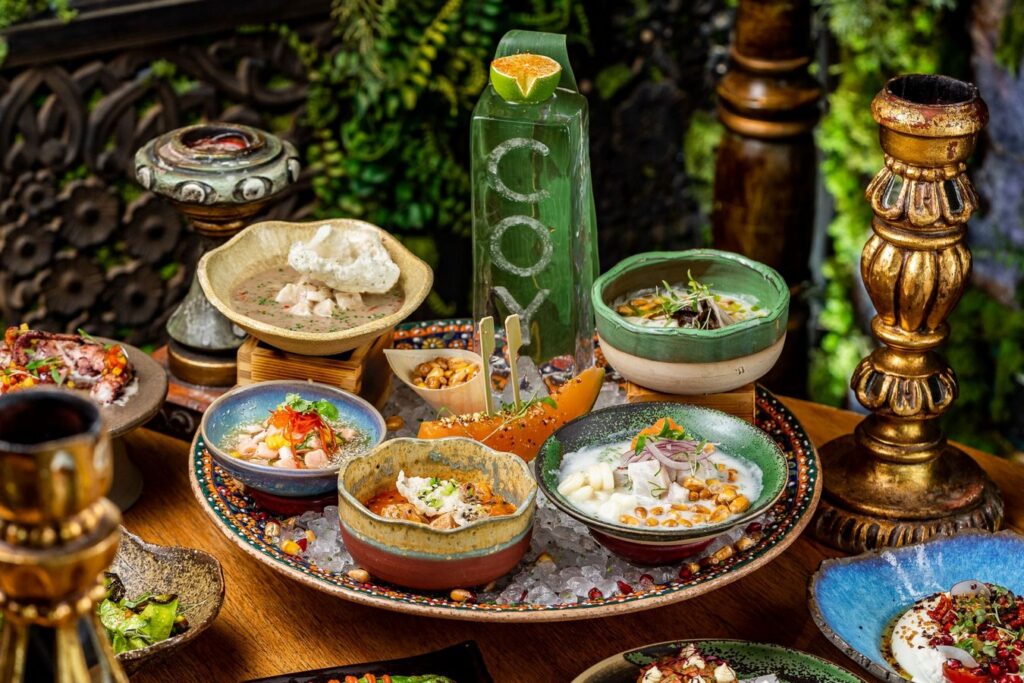
Located within the Four Seasons Resort, COYA Dubai has now reached its eighth year, a tenure that speaks for itself in a city where restaurants cycle quickly. The interior is rich without being excessive: antique mirrors, gilded carved wood panels, and plush fabric wallpapers surround an open kitchen that adds activity to the room without disrupting it. The service team carries encyclopedic knowledge of Peruvian culinary traditions and applies it practically, guiding guests through a menu that blends classical technique with contemporary Asian influence.
Sea bream ceviche with leche de tigre, chicken wings tempura with maple chipotle glaze, char-grilled flank steak with anticuchera sauce, and a lomo saltado featuring bavette steak prepared with Chinese wok technique alongside smoked soy avocado, the kitchen’s range is considerable and its execution consistent. Desserts follow through: passion fruit granita with tropical sorbet elements, and a rich caramel ganache with honeycomb textures. COYA makes Peruvian cuisine accessible without softening it, which is a harder achievement than it looks.
StreetXO
Best for: Culinary invention with the technical precision to back it up
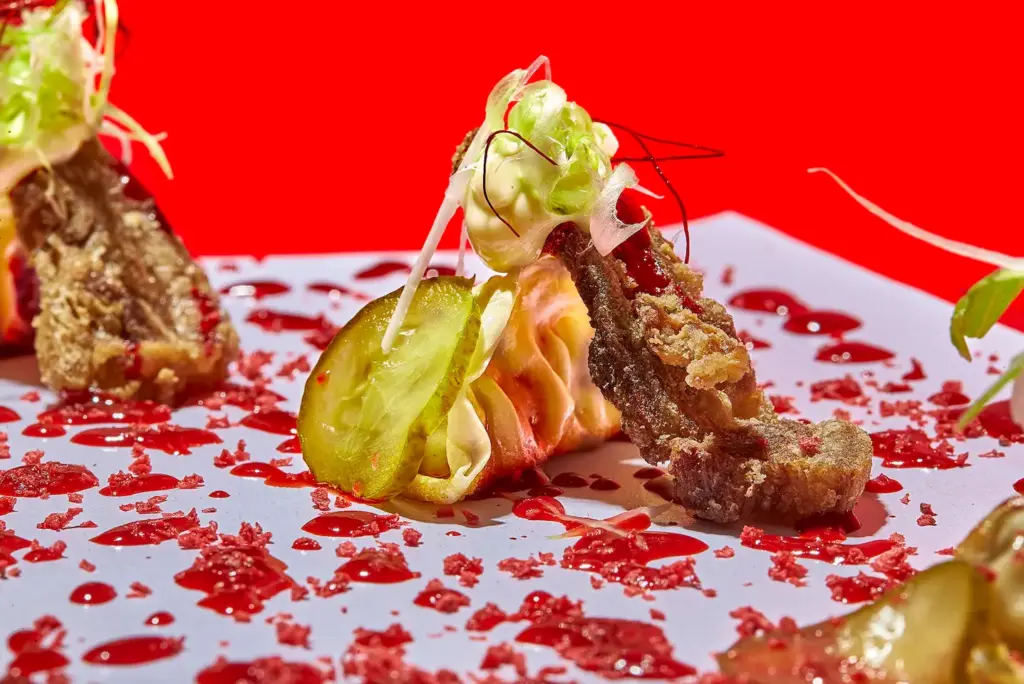
StreetXO Dubai, the street food concept from Spanish chef Dabiz Muñoz, occupies a space within One&Only One Za’abeel that looks like nowhere else in the city. Graffitied tunnels, suspended tables, and servers in strait jacket uniforms establish an aesthetic that deliberately unsettles. The food, however, is anything but chaotic, Black Angus Nigiri Croquettes layer kimchi heat with premium tartare, and the Lasagna Not Lasagna deconstructs Italian tradition through 45-day aged beef, cardamom bechamel, and spicy kimchi sauce between crispy wontons.
The cocktail programme matches the kitchen’s ambition: the Ceviche Sour delivers liquid ceviche through tequila, mezcal, and coriander cordial, and the Fluido dessert pairs white chocolate lava cake with Tom Kha ice cream and coconut crumble. The concept works because the craft underneath it is credible. Familiar street food ideas are taken apart and rebuilt with the kind of technical fluency that only emerges from serious kitchens. The result is genuinely surprising in the best possible way.
Orfali Bros
Best for: Neighbourhood bistro energy with serious regional recognition
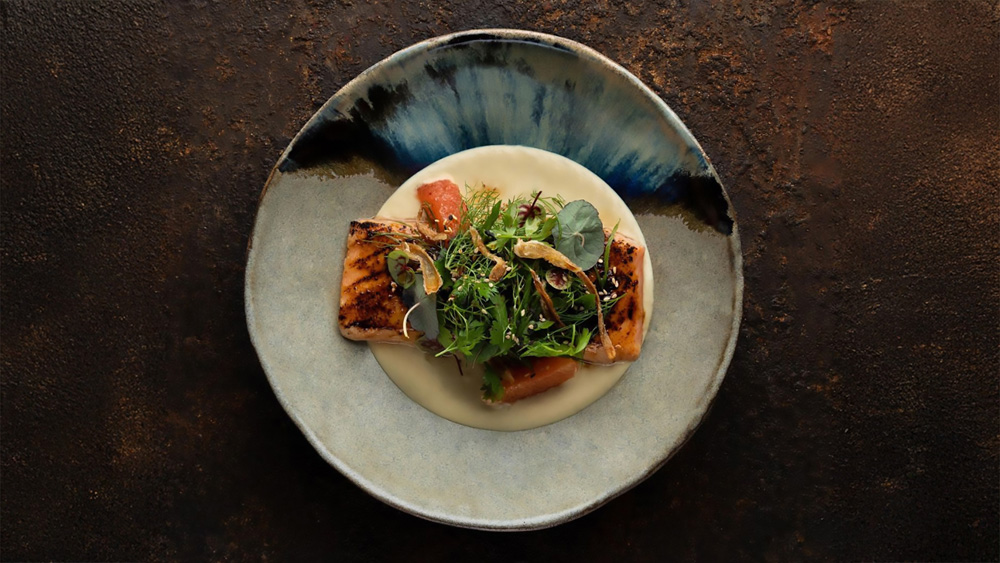
Three brothers, Mohammad, Wassim, and Omar, have built something quietly significant in a corner of Jumeirah. Orfali Bros earned its place on the MENA’s 50 Best Restaurants list, and the recognition is deserved, but what is more striking in person is how unaffected the place feels. The two-storey open kitchen functions as both workspace and centrepiece, with Mohammad regularly leaving the pass to explain the thinking behind individual dishes to the table directly.
The menu reads as a personal document rather than a curated selection: a celebrated caviar bun, a dish called ‘guess what?’ that draws on fattoush, Greek salad, and gazpacho simultaneously, and a shish barak reimagined as gyoza are among the signatures. The philosophy rests on three principles, taste, texture, and ingredients, and the brothers source from local farmers and suppliers with genuine conviction. Extensive travel and cultural exposure have shaped the food, but the outcome is something distinctly their own. Rare, and worth a detour.
The Gallery
Best for: Afternoon tea as a proper occasion
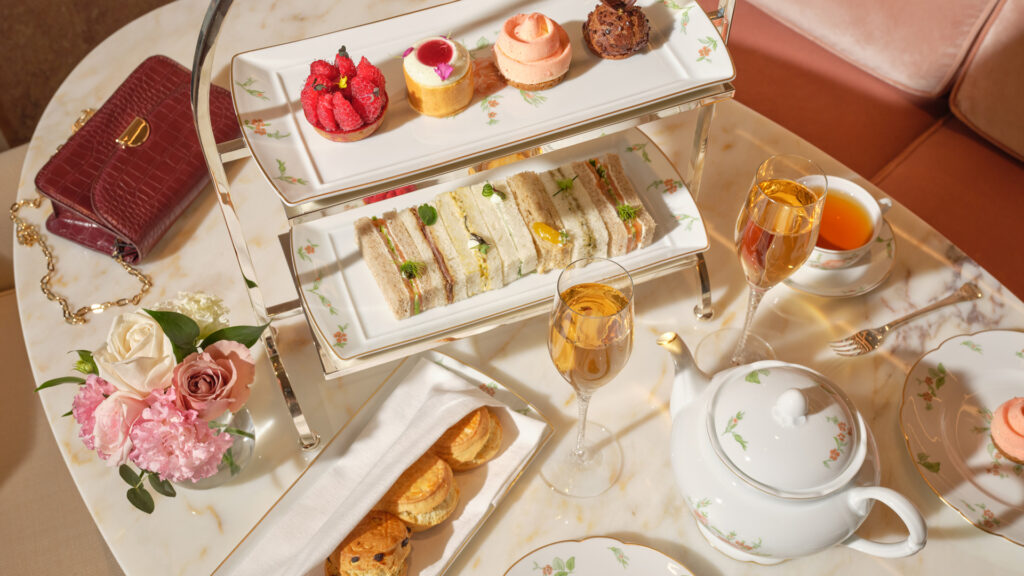
The Gallery sits beneath the soaring ceilings of The Lana’s lobby and presents afternoon tea under the creative direction of world-renowned pastry chef Angelo Musa. The experience unfolds in structured courses, each paired with carefully selected teas, with the Burj Khalifa visible through floor-to-ceiling windows. Staff explain the provenance of ingredients and the rationale behind each pairing, which sounds potentially earnest but, in practice, converts the meal into something genuinely informative rather than merely pleasant.
Slow-roasted wagyu beef sandwiches, laminated coffee brioche, and ruby grapefruit cheesecake give a sense of Musa’s technical register, and the experience closes with tableside preparation of fresh yoghurt with bee pollen and Madagascan honey, theatrical without straining for effect. Dramatic floral arrangements, a live grand piano, and terrace seating overlooking Marasi Bay Marina complete the setting. It is the kind of afternoon tea that makes the institution feel relevant rather than nostalgic.
Leisure activities
Dubai’s leisure offering has historically been strong on scale and weaker on depth. That balance has shifted. The best activity providers now lead with conservation, cultural authenticity, and operational rigour, qualities that produce experiences worth travelling for rather than simply filling an afternoon.
Xclusive Yachts
Best for: Private yacht charter with fleet ownership rather than brokerage
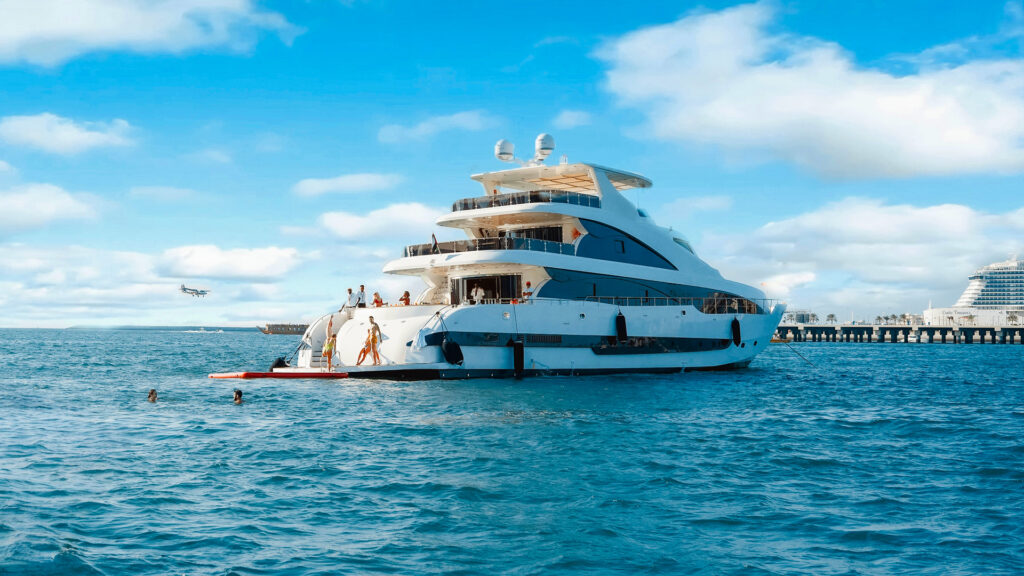
Established in 2006, Xclusive Yachts operates the UAE’s largest self-owned fleet, over 30 vessels, and holds the distinction of being the emirate’s only five-star rated yacht charter operation. The ownership model rather than brokerage model matters practically: quality control is consistent across the fleet, from intimate private charters to the Sundowner tours that accommodate up to 100 guests. Crews are professionally trained, local knowledge is genuine, and the 24/7 availability is not a marketing claim.
The company’s tri-deck superyachts, including the 140-foot Stardom, feature sea-level swimming pools, live cooking stations, and entertainment systems that transform an evening afloat into something well above the standard charter experience. The British-managed team brings over 50 years of combined industry expertise, and the base at Dubai Marina Yacht Club puts the entire coastline within easy reach. Whether the preference is a shared experience or exclusive private hire, the service standard is consistent, which is, ultimately, what the five-star rating is for.
Platinum Heritage Dubai
Best for: Desert safari with genuine conservation and cultural credentials
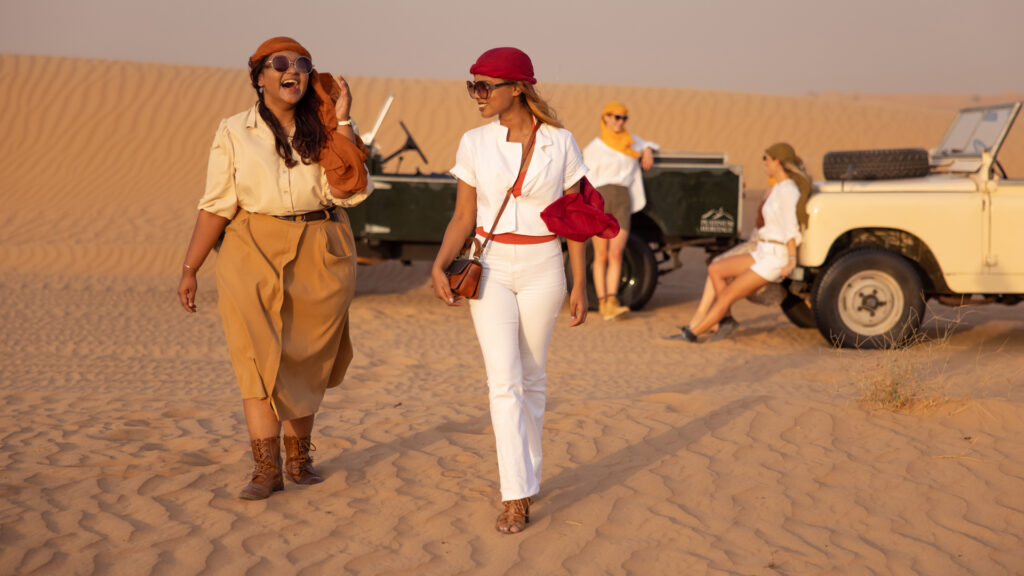
Platinum Heritage Dubai operates within the Dubai Desert Conservation Reserve, which already separates it from the majority of safari operators. The company runs the largest fleet of restored 1950s Land Rovers globally, vehicles that carry real historical weight, having contributed to Dubai’s own transformation, and the seven-hour expedition includes exclusive falconry demonstrations at private venues, away from the crowds that mass-market operations cannot avoid.
The culinary component is what sets the programme apart most clearly. Six courses delivered in an authentic Bedouin camp setting achieve Michelin-starred standards in a context that makes the cooking feel even more considered: aromatic lentil soup, expertly prepared lamb with saffron rice, and Arabic coffee chocolate mousse paired with orange-date ragout are among the courses. Solar-powered facilities ensure modern conveniences are present without compromising the setting, and the service is consistent throughout. For a desert experience that takes both ecology and hospitality seriously, this is the standard against which others are measured.
Saray Spa
Best for: Authentic Middle Eastern wellness traditions in a world-class facility
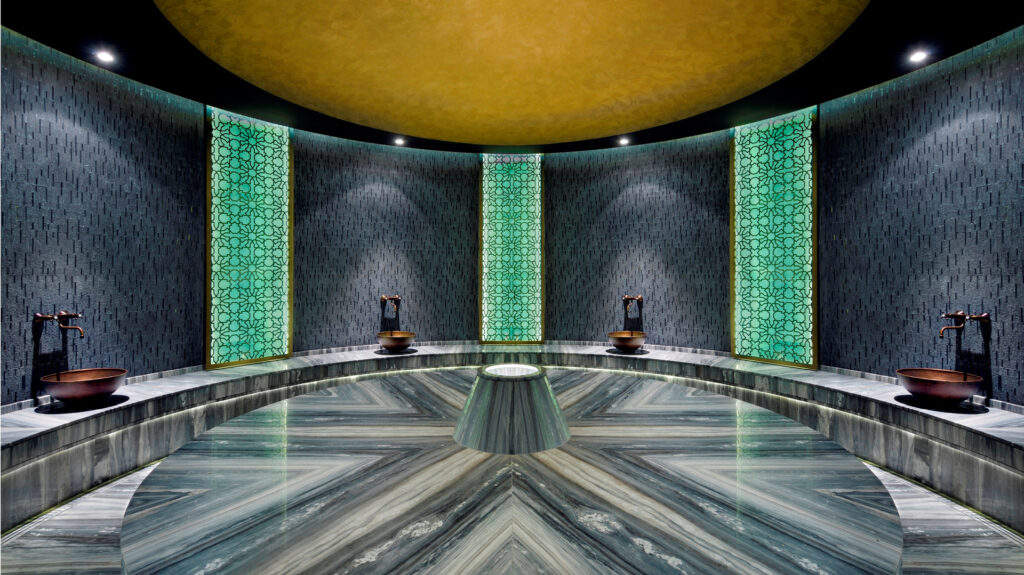
The Saray Spa at JW Marriott Marquis Dubai draws its reference points from the historic caravanserais of the Silk Trade Routes, and the result is a facility that feels culturally grounded rather than generically luxurious. Located on the third floor of the tower, it spans 17 treatment rooms across separate male and female areas, including two private hammam chambers and Dubai’s only Dead Sea treatment room, which comes with its own flotation pool. The signature Dead Sea Journey treatment uses mineral-rich elements imported directly from Jordan alongside traditional healing techniques.
The guest experience extends well beyond individual treatments: frankincense-scented reception areas, orchestrated post-treatment relaxation rituals, and a range that runs from intensive wellness programmes to shorter sessions for guests with limited time. Operational hours run from 6:00 AM to 11:00 PM daily, and special weekday pricing applies during Wellness Hours. Synthetic-free botanical products, highly trained therapists, steam rooms, saunas, and heated stone loungers complete a facility that justifies its reputation as Dubai’s most accomplished destination for authentic Middle Eastern wellness.
Dubai rewards those who approach it with a clear brief. The city is large, the options are numerous, and the gap between a good experience and a remarkable one is not always obvious from the outside. The establishments gathered here have earned their place on merit, each one worth the time, and several worth building a trip around.