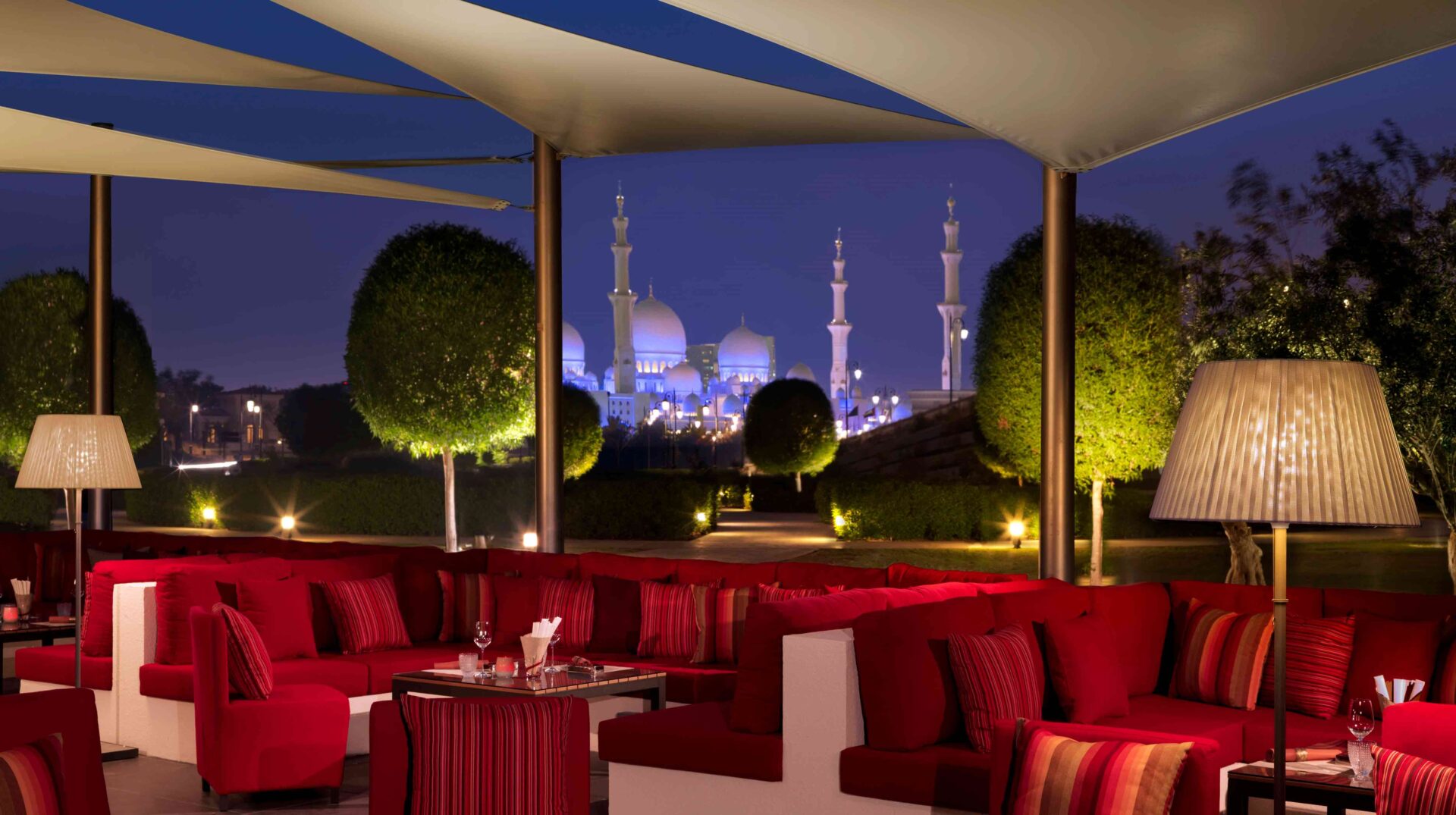
Few restaurants in Abu Dhabi can claim a vista quite like Li Jiang’s. Situated within The Ritz-Carlton Abu Dhabi, Grand Canal, this Michelin guide establishment commands a terrace position that frames the Sheikh Zayed Grand Mosque in all its illuminated glory. We arrived as twilight descended, the timing deliberate to witness the mosque’s transformation from daylight grandeur to evening spectacle whilst working through what promised to be an exceptional menu of contemporary Asian cuisine.
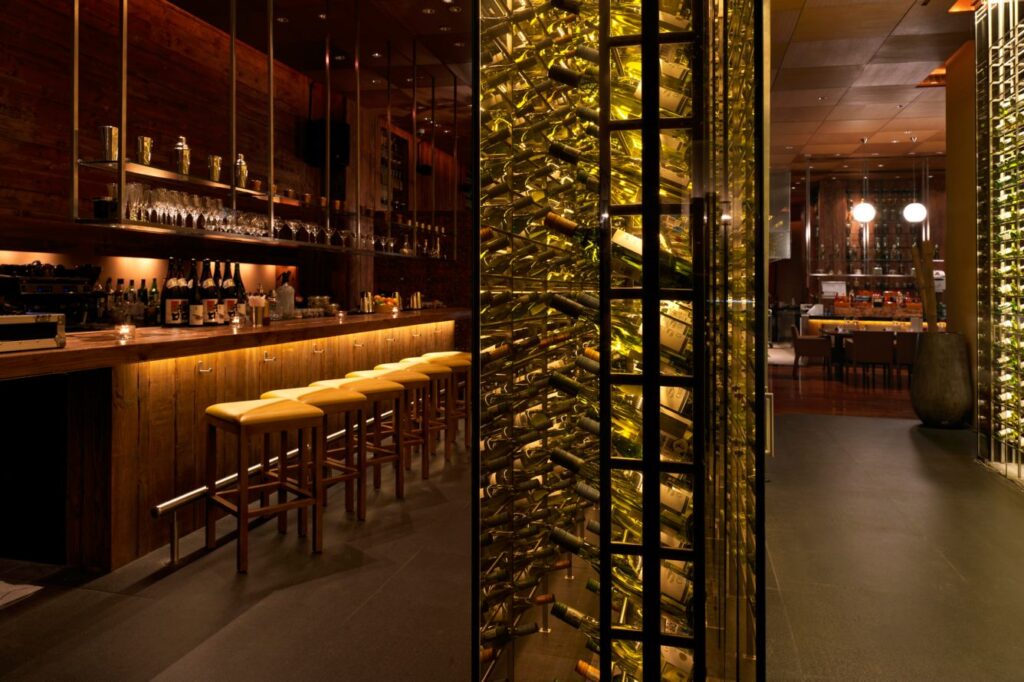
The restaurant itself presents an intriguing duality. Step inside and you encounter rich interiors with sophisticated décor, yet the atmosphere remains refreshingly unpretentious. An open kitchen occupies centre stage, offering glimpses of the culinary team at work. We opted for terrace seating, the obvious choice given the architectural drama unfolding across the water. The evening air carried just enough warmth to remain comfortable, whilst strategic lighting ensured our table remained adequately illuminated without diminishing the mosque’s visual impact. As we settled in and perused the menu, it became clear this would be an evening of discovery.
The space and its character
Li Jiang succeeds in creating an environment that feels both elevated and accessible. The terrace arrangement provides sufficient spacing between tables to maintain privacy whilst preserving the vibrant energy of a bustling restaurant. Attention has been paid to sightlines; nearly every outdoor seat offers mosque views, though some positions naturally prove more advantageous than others. The décor speaks to quality without resorting to obvious luxury signifiers, allowing the food and setting to command attention.
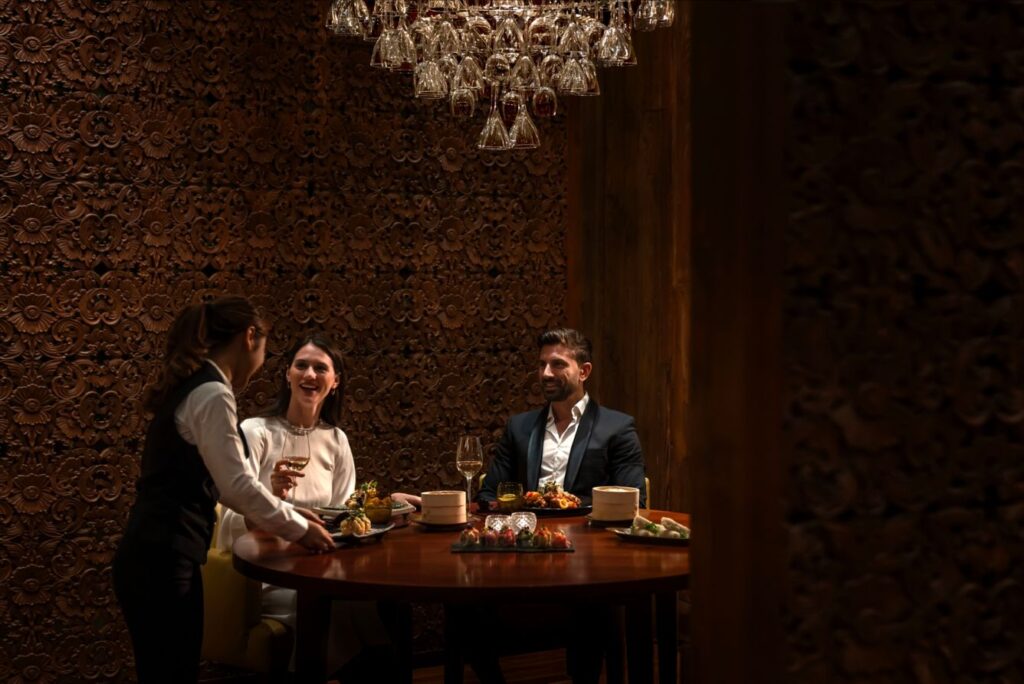
Service staff demonstrated the ideal balance throughout our visit: present when needed, invisible when not, and genuinely knowledgeable about the menu’s intricacies. They encouraged sharing, the traditional Asian dining style that allows sampling across the menu’s breadth. We embraced this approach enthusiastically, selecting dishes that would showcase different techniques and regional influences.
Beginning with dim sum
The homemade dim sum selection provided our entry point, and immediately established the kitchen’s credentials. Steamed chicken siew mai arrived in traditional bamboo steamers, still releasing wisps of steam as they reached our table. Each dumpling revealed careful construction: tender wrappers encasing well-seasoned chicken mixed with shiitake mushrooms, the entire composition lifted by judicious use of black truffle. The truffle’s earthy intensity enhanced rather than dominated, a restraint that spoke to confidence and understanding.
The steamed prawn har gao followed, those translucent Cantonese dumplings that expose any weakness in technique. These showed none. Plump prawns filled each perfectly pleated parcel, accompanied by carrot for sweetness, chives for aromatic depth, and red tobiko providing both colour and textural intrigue. The prawn quality stood out immediately: sweet, firm, clearly fresh. The wrapper achieved that elusive balance between structural integrity and delicate tenderness. We found ourselves eating slowly, appreciating the craftsmanship evident in each bite.
Both dim sum varieties arrived at optimal temperature, the timing suggesting careful coordination between kitchen and floor. This attention to fundamentals continued throughout the evening, one of numerous small details that separated competent service from excellence.
Exploring main dishes
Our first substantial course brought chow mein elevated far beyond its humble origins. Fresh egg noodles arrived with ideal texture, maintaining their character without becoming soft or heavy. The beef component deserves particular mention: tender slices of beef tenderloin, a premium choice rarely encountered in noodle preparations. Oyster mushrooms contributed their distinctive meaty quality, bean sprouts added necessary crunch, whilst preserved chilli and spring onions layered in both heat and brightness. The wok technique proved exemplary, proper searing that developed complex flavours without burning, sauce that clung to noodles rather than pooling beneath them. This represented elevated comfort food at its finest.
The green papaya salad arrived as a study in contrasts and balance. Crisp papaya strands provided the foundation, their mild sweetness allowing more assertive elements to shine. Both prawns and diver scallops featured prominently, each cooked with the precision that preserves delicate seafood’s natural character. Cherry tomatoes cut through with acidity, crushed peanuts added richness and textural variation, and the chilli lime dressing tied everything together with its bright, spicy tang. The portion size impressed; this transcended typical side dish status to become something more substantial. Every component tasted distinctly fresh, the hallmark of quality sourcing and proper handling.
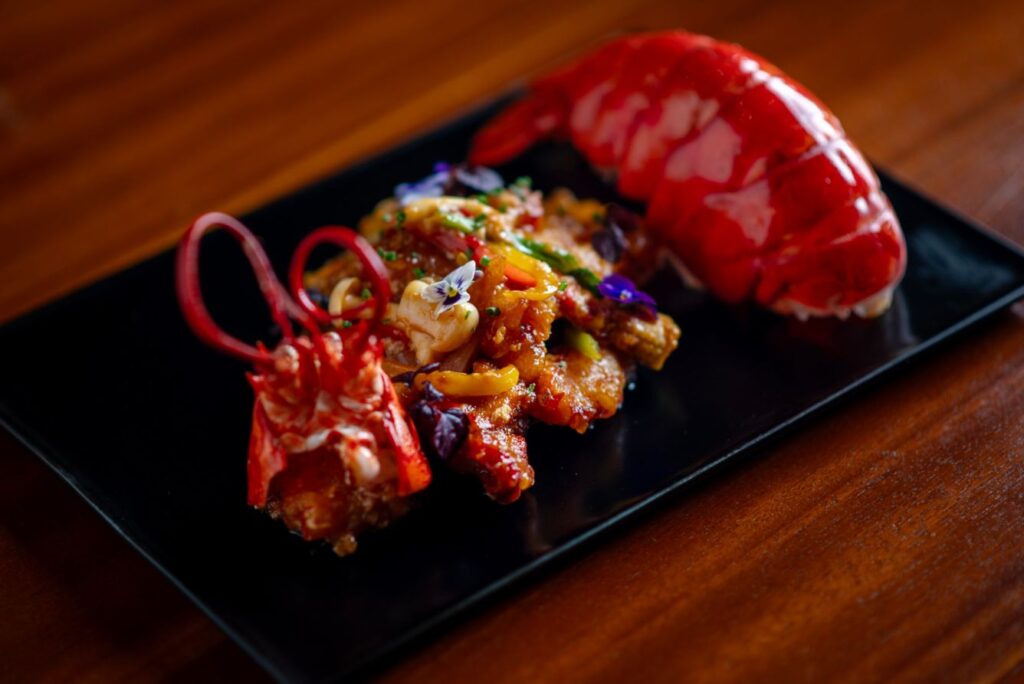
Our final savoury selection showcased wasabi prawns, a dish that demonstrated the menu’s contemporary leanings. Large prawns arrived cooked to perfection, that precise point where flesh turns opaque whilst retaining moisture and characteristic snap. Wasabi provided heat that awakened the palate without overwhelming, its intensity tempered beautifully by creamy avocado and sweet mango. Fresh mint salsa contributed aromatic brightness and additional cooling properties, creating a composition where strong flavours coexisted harmoniously rather than competing. The prawns themselves merited appreciation for their quality and handling; clearly premium specimens treated with appropriate respect.
Beverage considerations
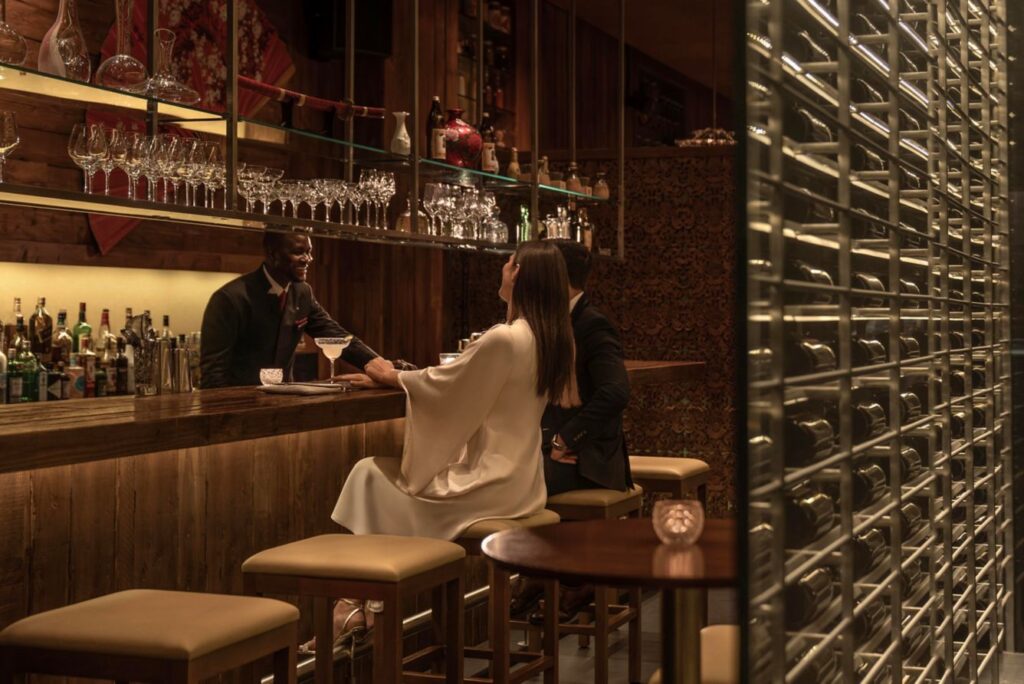
We explored the cocktail offerings, particularly intrigued by sake-infused martinis. These proved revelatory. The sake’s delicate complexity enhanced the gin’s botanical character whilst maintaining the martini’s essential elegance. The drinks refreshed and cleansed between courses without the excessive sweetness or alcohol heat that can overwhelm delicate Asian flavours. The bar team clearly understood their role in supporting rather than overshadowing the food.
Technical observations
What elevated our Li Jiang experience above numerous other Asian dining occasions was the remarkable consistency in execution. Every dish emerged from the kitchen properly seasoned, appropriately textured, and free from the greasiness that often plagues Asian cooking. Portions proved generous without becoming burdensome. Each course maintained its individual identity whilst contributing to the meal’s natural progression from lighter to richer flavours.
The kitchen’s understanding of seasoning particularly impressed. Salt enhanced ingredients without masking their inherent qualities. Heat provided excitement without punishment. Sweetness balanced without cloying. Temperature control across all proteins suggested either exceptional coordination or individual attention to each order, as nothing showed signs of premature preparation or extended holding.
Textural variety played throughout the meal, from yielding dumplings to crisp vegetables, from firm seafood to tender noodles. This thoughtful variation prevented palate fatigue, maintaining interest across multiple courses.
The service dimension
Our serving team navigated the complexities of sharing-style dining with practiced proficiency. Dishes arrived in thoughtful sequence, with appropriate intervals allowing full appreciation before the next course appeared. Staff explained preparations when asked but avoided unnecessary elaboration. Water glasses received attention without hovering, finished plates disappeared promptly, and questions met with genuine knowledge rather than scripted responses.
The open kitchen arrangement enhanced our experience significantly. Watching skilled professionals work with obvious pride and evident expertise deepened our appreciation for what arrived at our table. This transparency demonstrates confidence. Nothing to hide, only craft to celebrate.
Location and context
Li Jiang’s position within The Ritz-Carlton provides convenient access for hotel guests whilst attracting knowledgeable diners from across Abu Dhabi. The mosque views create undeniable appeal, particularly during evening hours when illumination transforms the already impressive structure into something ethereal. Reservations prove essential, especially for prime terrace positions. We recommend booking well ahead and specifically requesting outdoor seating to maximise the visual experience.
The restaurant operates at premium pricing consistent with its Michelin guide status, exceptional setting, and ingredient quality. This represents special occasion dining rather than casual meals, though the relaxed atmosphere prevents any sense of stuffiness or formality that might inhibit enjoyment.
Concluding thoughts
Our evening at Li Jiang established new benchmarks for Asian cuisine in the Emirates. The combination of technical mastery, thoughtful ingredient selection, spectacular location, and genuinely hospitable service created an experience that satisfied comprehensively. The kitchen’s ability to honour traditional techniques whilst embracing contemporary ingredients and presentations reflects the confidence that distinguishes truly memorable restaurants.
Whilst the mosque views provide extraordinary visual drama, the food possesses sufficient strength to stand independently. We departed already considering return visits, debating which dishes warranted repetition and which unexplored menu sections demanded investigation. The generous portions, impeccable execution, and genuine warmth of service combined to create an evening that exceeded expectations across every dimension.
For visitors seeking exceptional Asian dining in Abu Dhabi, Li Jiang warrants serious consideration. The restaurant delivers contemporary cuisine executed with precision, served with genuine care, and experienced in surroundings that transform an excellent meal into something genuinely memorable. This represents the calibre of restaurant that elevates a destination’s culinary reputation, the sort of establishment that justifies travel purely for the dining experience it provides.