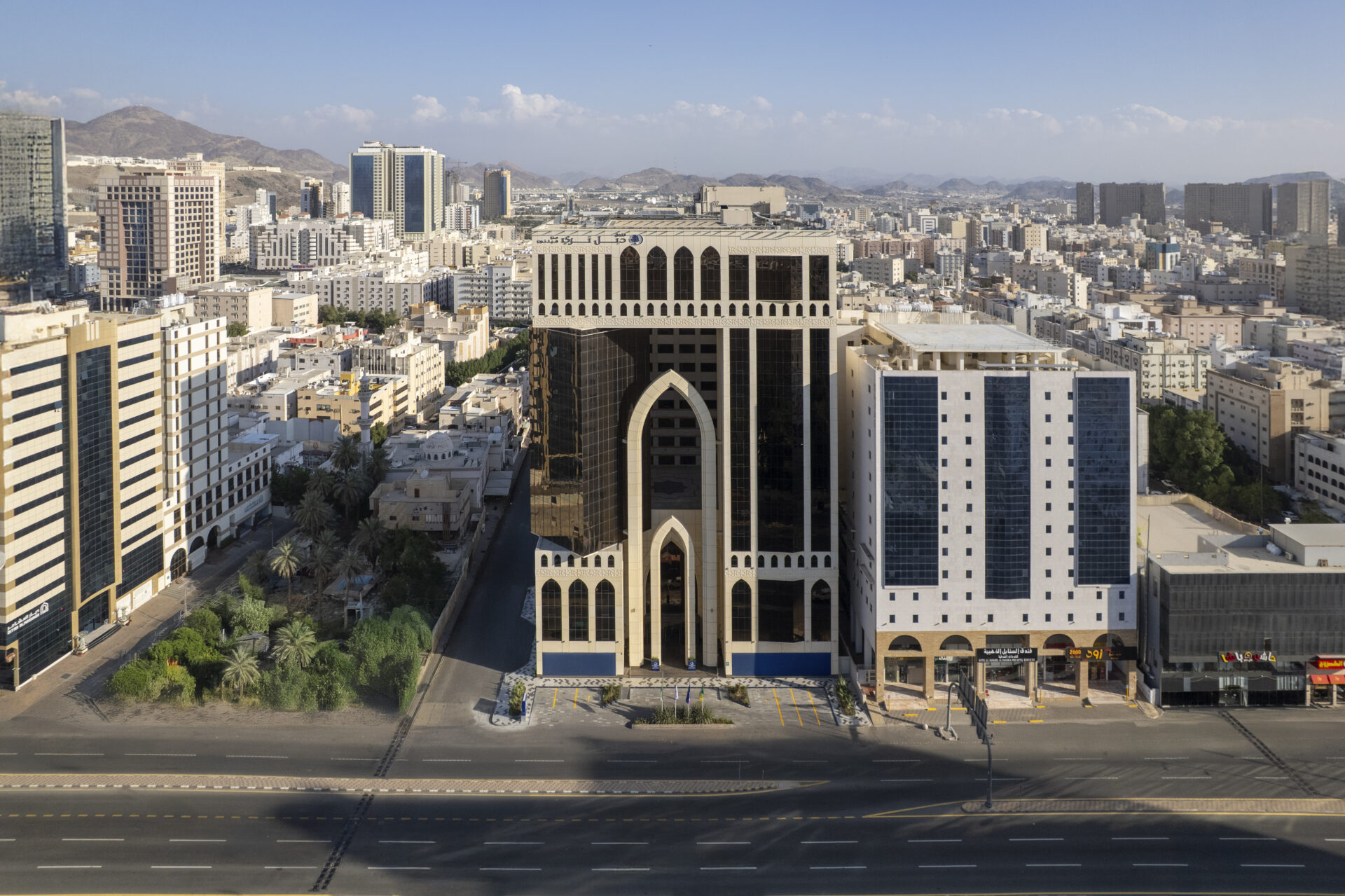
Hilton has significantly expanded its presence in Makkah with the opening of two properties that nearly double its accommodation capacity in the Holy City. The launches bring DoubleTree by Hilton Makkah Aziziyah to the eastern Al Aziziyah district and Wirgan Al Noor, Tapestry Collection by Hilton to a location near the historic Hira Cave, collectively adding 1,767 rooms to serve the millions who travel to Makkah annually.
Both properties are owned by Wirgan Hospitality and managed under Hilton’s established brand standards. The openings arrive as Saudi Arabia continues developing its hospitality infrastructure to accommodate growing visitor numbers whilst maintaining the highest service quality across different market segments.
Mohamed Lotfy, cluster general manager for both properties, oversees operations designed to balance comfort and convenience for guests visiting the Holy City. The hotels operate as separate entities with distinct positioning yet share management oversight to ensure consistency in service delivery.
The largest Tapestry Collection globally
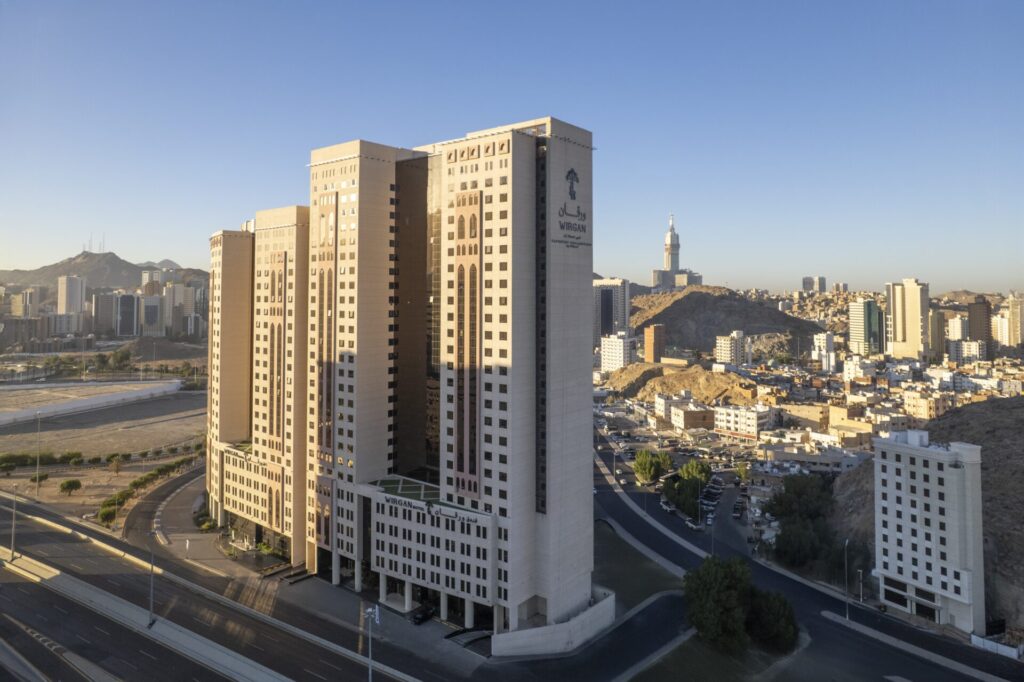
Wirgan Al Noor debuts as the first Tapestry Collection property in Makkah and claims the title of the brand’s largest operating hotel worldwide. The 1,386-room property sits less than 15 minutes by car from Masjid Al Haram, providing views across the Holy City from a location that balances accessibility with a quieter setting away from the immediate sacred precinct.
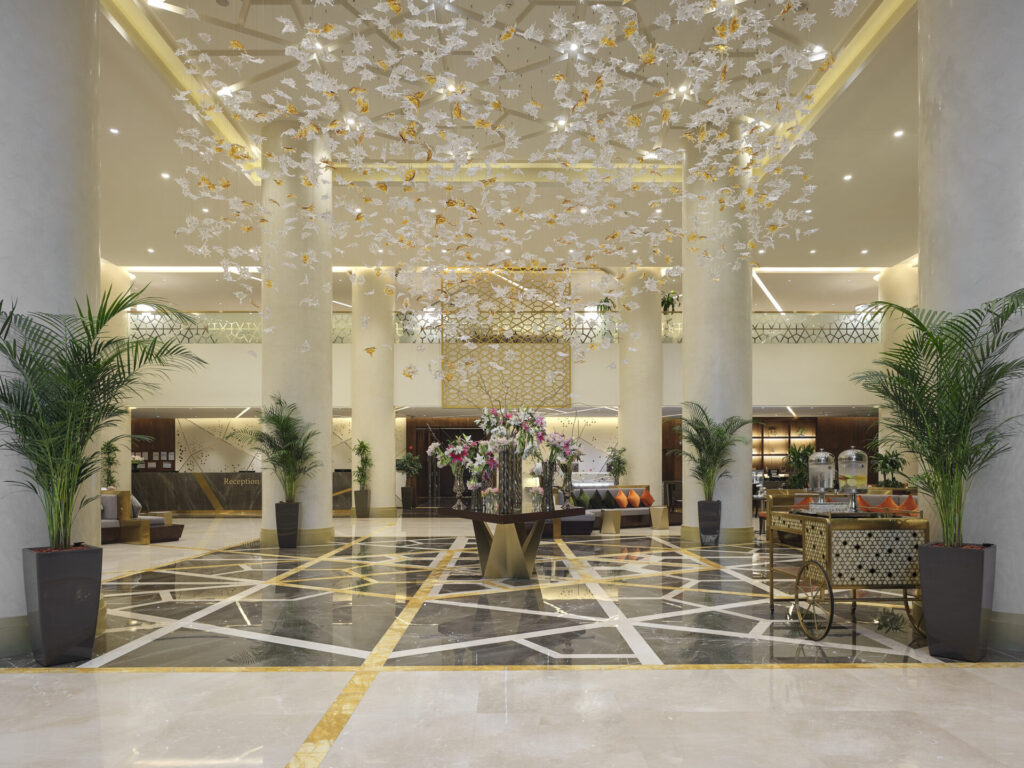
The hotel’s design follows the Tapestry Collection philosophy of reflecting local character through contemporary hospitality. Public spaces and guest rooms incorporate elements that acknowledge the destination whilst maintaining the brand’s preference for clean, modern aesthetics over overtly themed environments.
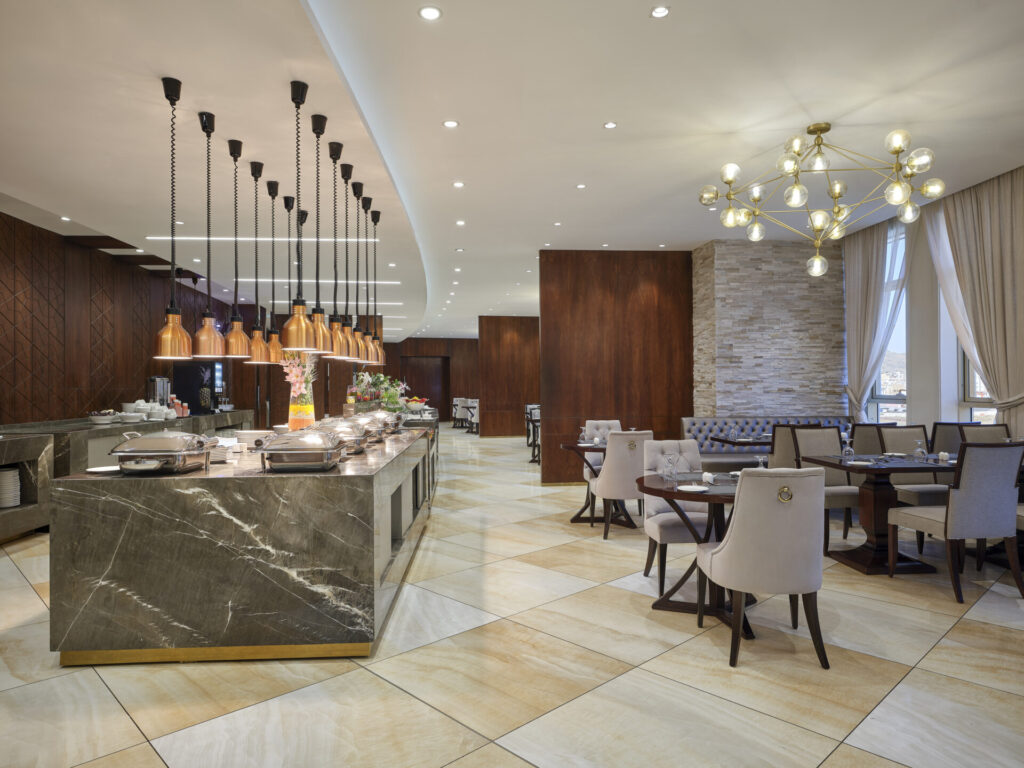
Facilities span multiple categories to serve varied guest needs. An all-day dining restaurant handles breakfast through dinner service with international and regional options, whilst a separate coffee shop provides lighter refreshments. Two ballrooms and eight meeting rooms total approximately 2,000 square metres of event space, configured for everything from small gatherings to larger conferences. A fitness centre and dedicated kids club round out the amenity offering, acknowledging that many visitors arrive as families.
The property’s proximity to Hira Cave, where Islamic tradition holds that the Prophet Muhammad received his first revelation, adds historical significance to its location. Guests can reach this site more easily than from properties situated in other Makkah districts, though the sacred mosque remains the primary draw for most visitors.
DoubleTree Brings it’s Signature to Al Aziziyah
DoubleTree by Hilton Makkah Aziziyah occupies a more central position in the eastern Al Aziziyah area, placing its 381 guest rooms and suites just five minutes from Masjid Al Haram. The hotel operates on the DoubleTree brand’s established formula: reliable comfort delivered through warm hospitality and practical amenities .
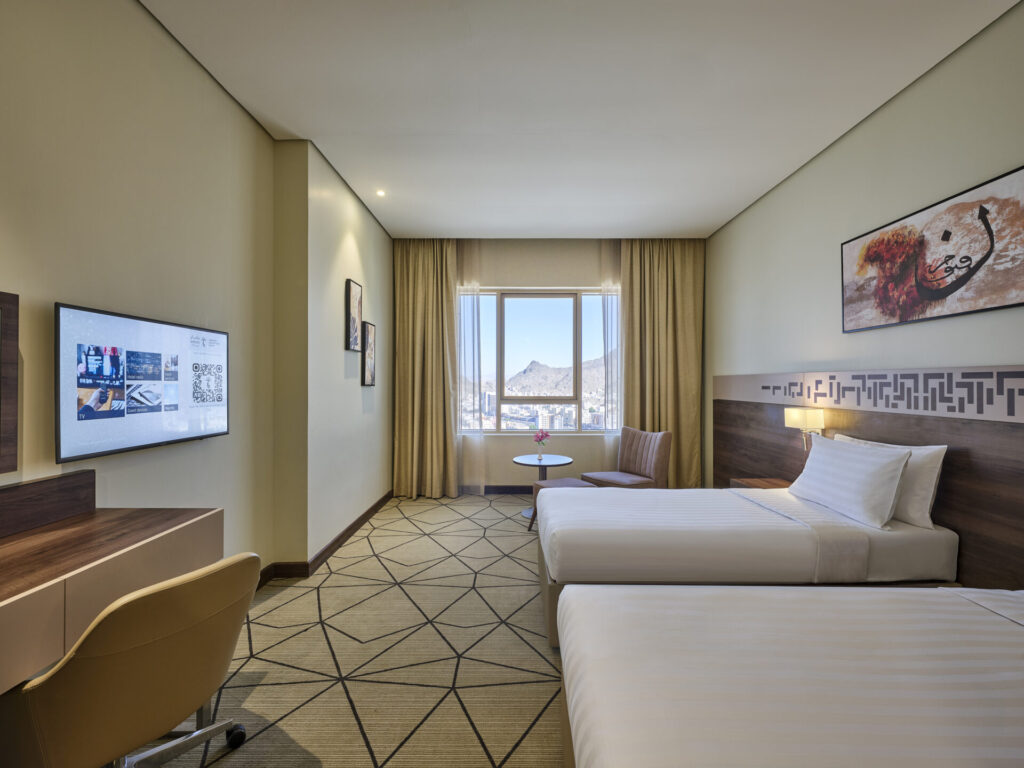
The property welcomes arrivals with the brand’s signature chocolate chip cookie, a small gesture that has become synonymous with DoubleTree’s approach across its 700-plus global locations. Guest rooms follow standard brand specifications, balancing functionality with enough design consideration to feel current rather than purely utilitarian.
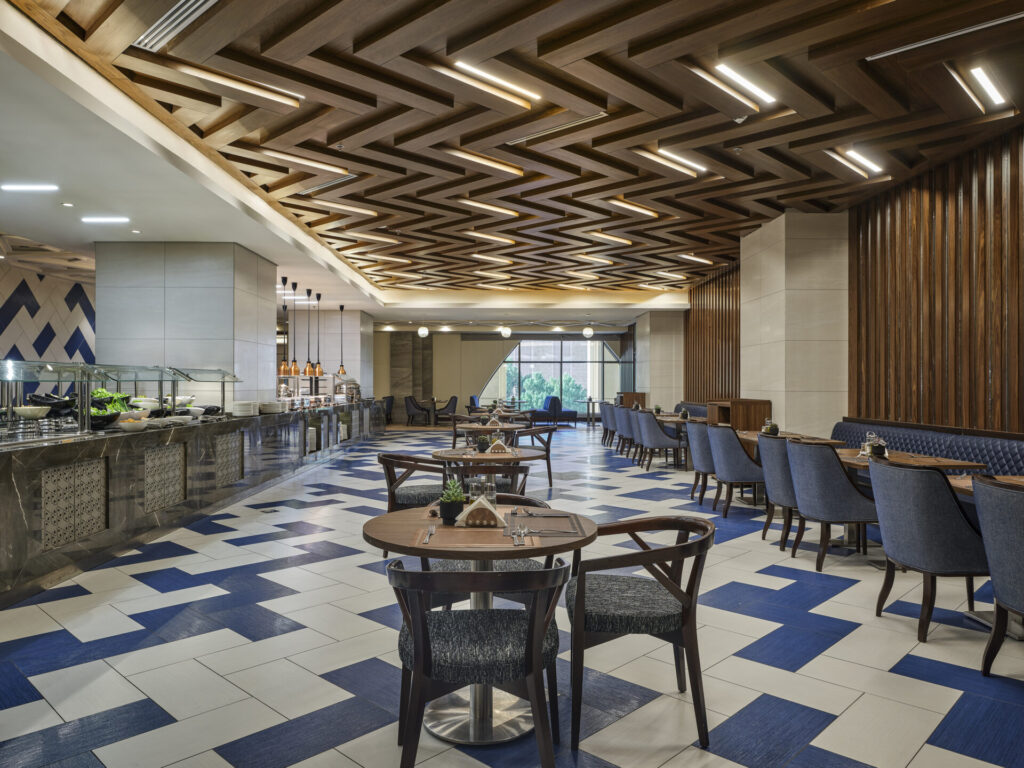
Dining facilities include an all-day restaurant serving international and local dishes to accommodate diverse palates and dietary requirements common among Makkah’s visitor base. A lobby coffee shop provides quick service for guests moving between prayer times or heading out for sightseeing. Business travellers and corporate groups can access flexible meeting rooms alongside a fully equipped fitness centre, though leisure visitors constitute the majority of the clientele given Makkah’s primary draw.
Hilton Honors Programme
Both hotels participate in Hilton Honors, the company’s loyalty programme covering 26 brands across 141 countries and territories. Members booking directly through Hilton channels gain immediate access to programme benefits including a flexible payment slider that permits combinations of points and cash for reservations, exclusive member discounts, complimentary standard Wi-Fi, and mobile app functionality.
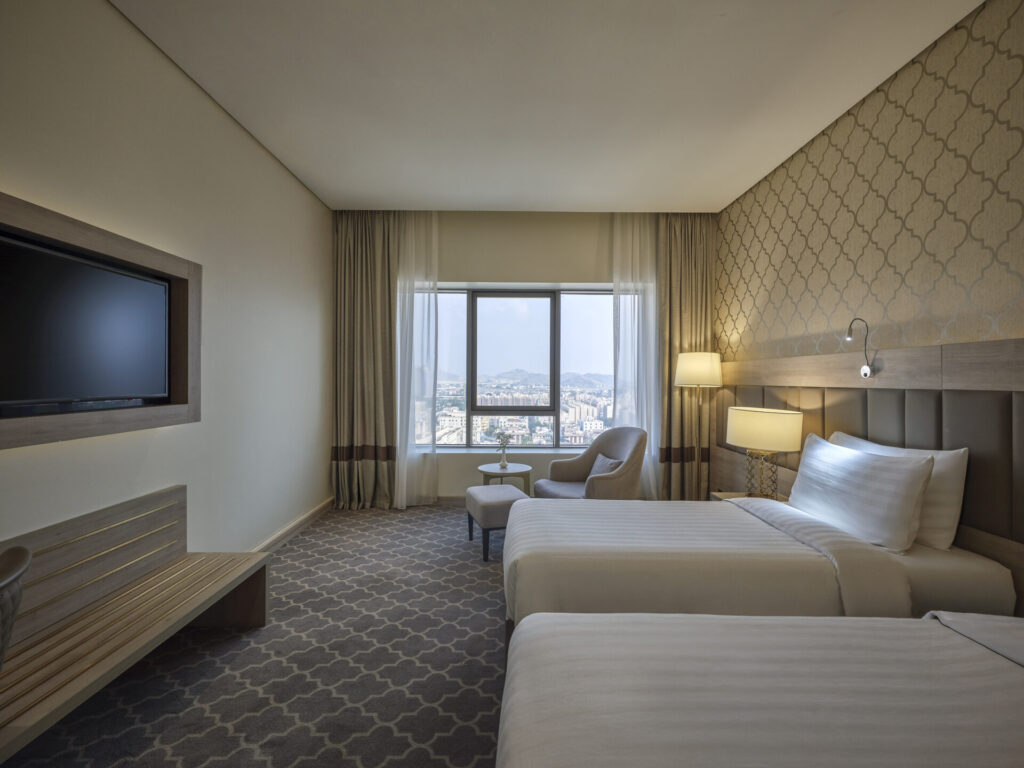
The app enables guests to complete most interactions digitally, from booking and room selection through to check-in, digital key access, and checkout. This technology layer particularly benefits repeat visitors who can streamline their arrival and departure processes across multiple stays.
Points redemption through the Honors programme gives members options for future travel, whilst the connectivity with Hilton’s broader portfolio means stays in Makkah can contribute towards benefits redeemable at any of the company’s 9,000 properties worldwide. The programme currently counts over 235 million members who book directly rather than through third-party platforms.